Why Choose Solar Panel Roof Mount for Your Home?
Choosing to install a solar panel roof mount for your home is a significant decision. It involves understanding both the benefits and potential drawbacks. Many homeowners are making the switch to solar energy. This shift shows growing concern for both the environment and energy bills.
Solar panel roof mounts can significantly reduce your electricity costs. They provide a renewable and sustainable energy source. However, it's essential to consider factors like installation costs and roof suitability. A well-installed system can enhance your home's value, but poor installation may lead to issues.
Making an informed choice requires knowledge and expertise. Researching solar technology and local regulations is crucial. Assess your home's unique needs to determine if a solar panel roof mount is right for you. Remember, the benefits can be substantial, but it is wise to weigh all aspects carefully before proceeding.
Benefits of Solar Panel Roof Mounts for Energy Savings
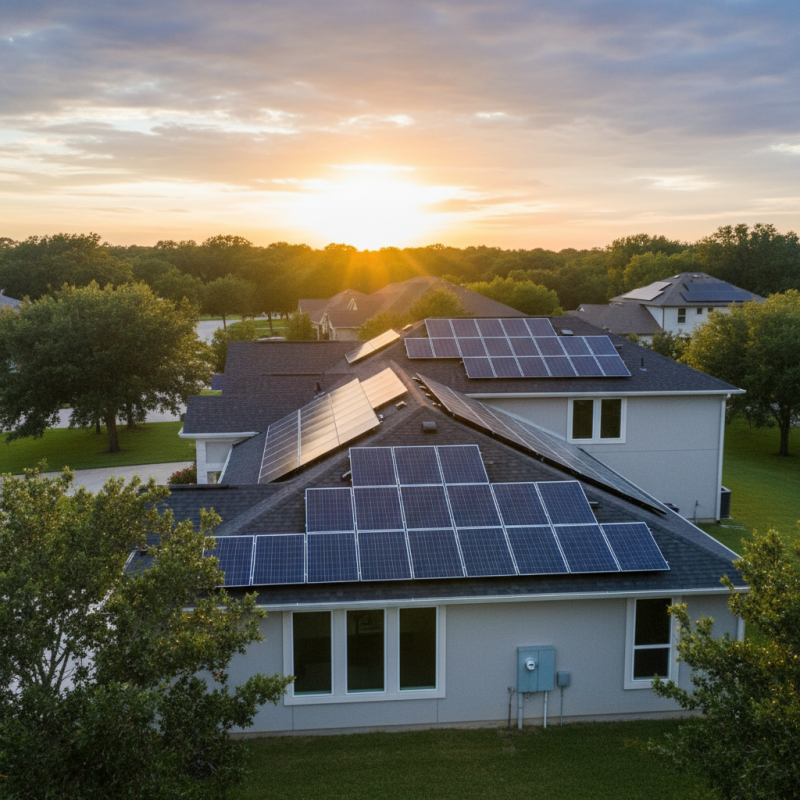
Solar panel roof mounts have gained significant popularity among homeowners looking for energy efficiency. According to a report by the National Renewable Energy Laboratory, installing solar panels can reduce a household's electricity bills by up to 70%. This substantial saving results from harnessing the sun's energy, allowing homeowners to generate their power. The average family could save over $1,000 annually, depending on local energy costs and sunlight exposure.
The placement of solar panels on roofs maximizes sunlight absorption. Roof mounts are designed to operate efficiently in various weather conditions, providing reliable energy year-round. However, it's vital to consider possible drawbacks. For instance, during installation, homeowners might face the risk of roof damage or leaks. Regular maintenance is also crucial to ensure optimal performance. Cleaning panels and checking connections can influence savings and efficacy.
Moreover, local regulations affect the feasibility of solar installations. Some areas may impose restrictions or require special permits, complicating the process. It's essential to research and understand these factors before proceeding with a solar roof mount. Engaging with a professional can provide insights into your specific conditions and help navigate potential challenges effectively.
Environmental Impact of Solar Energy Adoption
Adopting solar energy has a significant positive environmental impact. According to the U.S. Environmental Protection Agency (EPA), solar panels can reduce carbon emissions by over 80%. This shift is crucial as buildings account for nearly 40% of total carbon dioxide emissions. By choosing solar, homeowners contribute to cleaner air and lower greenhouse gases.
In addition to reducing carbon footprints, solar energy minimizes reliance on fossil fuels. The International Energy Agency (IEA) reports that solar power could help decarbonize the global energy system by reducing energy-related emissions by 70% by 2050. This massive reduction can help combat climate change and promote sustainability.
Tips: Consider how many trees would need to be planted to offset the emissions from traditional energy sources. One solar panel can offset the equivalent of planting about 100 trees over its lifetime. Another point to reflect on is the initial investment. While it can be substantial, the long-term savings and environmental benefits are substantial. Investing in solar energy doesn't just benefit your wallet; it benefits the planet.
Environmental Impact of Solar Energy Adoption
Comparative Analysis of Roof Mount vs. Ground Mount Solar Systems
When considering solar systems, roof mount and ground mount options present unique advantages. Roof-mounted solar panels are installed directly on your home's structure. This keeps them out of the way, maximizing property space. They benefit from direct sunlight, often leading to higher efficiency. Additionally, installation is generally quicker and less disruptive.
On the other hand, ground-mounted systems require more land but can be adjusted for optimal sun exposure. This flexibility can be beneficial for homes with shaded rooftops. However, these systems may face durability concerns, especially in areas prone to severe weather. Ground installations also require more maintenance and could attract pests.
Both options have their merits and limitations. Your choice depends on your home’s landscape and energy needs. If your roof is suitable, roof mounts could be the simpler solution. If you have space, consider ground mounts for their flexibility. Be sure to reflect on your long-term goals and site conditions before deciding.
Why Choose Solar Panel Roof Mount for Your Home? - Comparative Analysis of Roof Mount vs. Ground Mount Solar Systems
| Feature | Roof Mount | Ground Mount |
| Space Efficiency | High; utilizes existing roof space | Lower; requires dedicated land area |
| Installation Cost | Typically lower due to less structural work | Can be higher due to foundation requirements |
| Maintenance | Simpler; accessible from the ground | May require specialized equipment |
| Aesthetic Impact | Less obtrusive, integrates with home design | More visible, can alter landscape appearance |
| Performance | Potentially higher energy production, less shading | Performance can be affected by tree shading |
| Flexibility | Limited to roof size and angle | More flexibility in arrangement and orientation |
Installation and Maintenance Insights for Roof Mounted Solar Panels
Installing roof-mounted solar panels can be a rewarding investment. However, proper installation and maintenance are crucial for maximizing efficiency. Hiring a qualified technician ensures that your panels are positioned correctly. This alignment helps capture the sun's rays more effectively.
Maintenance is often overlooked. Regular cleaning of the panels is necessary to remove dirt or debris. Dust can significantly reduce energy production. Inspecting the wiring and connections regularly also prevents potential issues. If you notice anything unusual, it's best to consult a professional right away.
Rooftop installations face unique challenges. Roof angles, material, and shading from trees can impact performance. Homeowners should consider these factors before deciding. Sometimes, a more complex installation is required. This might lead to higher upfront costs. Yet, understanding these nuances can guide you to make informed decisions.
Government Incentives and Financing Options for Solar Panel Installation
Government incentives and financing options make solar panel installation more accessible than ever. Many homeowners hesitate to invest due to upfront costs. Fortunately, numerous programs can ease this burden. Tax credits can reduce your overall expenses. Some areas even provide rebates for solar installations. These financial programs are designed to encourage renewable energy use.
Financing options also play a crucial role. Homeowners can choose loans or leases tailored for solar panel systems. These alternatives allow for manageable monthly payments. Some providers offer zero-down options, which means you can start saving money right away. However, it’s essential to understand the terms and potential long-term costs. Not all financing plans are equal, and some may lead to more expensive outcomes.
Researching each incentive is vital for an informed decision. Local regulations can vary significantly. Some incentives might only apply to specific solar technologies or installation types. Engage with local experts who can clarify these details. This will ensure you take advantage of every opportunity while keeping costs manageable. Investing in solar energy is a significant step, and understanding your options is key.