

Engineer's Toolbox Visit www.hansarobotics.com

Category Banner

What Types of Appliance Injection Parts Are Available?

A clear guide to Appliance Injection Parts begins with the components people rarely notice. They sit behind control panels, beneath refrigerator shelves, and inside washing-machine doors. Yet a cracked latch or poorly fitted housing can affect daily use. Material choice, dimensions, surface finish, and repeated stress all matter.

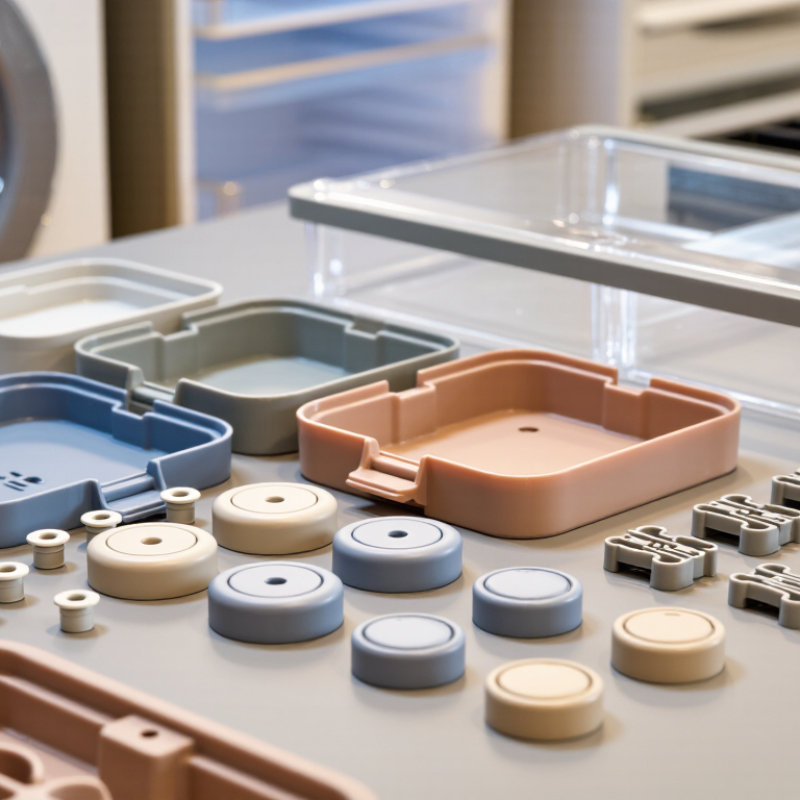
This article explores common part types, including housings, knobs, buttons, trays, brackets, clips, and functional internal components. Some parts are visible and decorative. Others must withstand heat, moisture, detergent, vibration, or frequent handling. The right design depends on where the part sits and what it must do. Simple details count. A small snap-fit may save assembly time, but it can also become a weak point if its geometry is poorly considered.

One source limitation matters: no article or verifiable expert quotation was supplied. Rather than invent a name or quote, this introduction avoids presenting one as fact. A verified industry specialist’s comment would strengthen the discussion, especially on material selection and mold design. The categories themselves are not always neat; a single molded part may provide both structural support and a finished appearance. That overlap deserves attention. Understanding these differences helps buyers, designers, and manufacturers ask better questions before production begins.
What Types of Appliance Injection Parts Are Available?

Major Categories of Injection-Molded Appliance Parts

Major Categories of Injection-Molded Appliance Parts

Exterior components

include control-panel bezels, handle covers, trim, and protective housings. These parts shape the appliance’s appearance while shielding internal components from everyday contact. A small gap around a panel can affect fit, so dimensional checks matter.

Interior parts

include shelves, drawer fronts, bins, and liners. Their designs must support stored items and tolerate repeated cleaning. Door components, such as inner panels and hinge covers, also need stable shapes to maintain a consistent fit. Some parts carry more load than they appear to. Material choice and wall thickness deserve careful review.

Functional components

include clips, brackets, ducts, fan covers, and wire guides. These pieces may be hidden, but they help direct airflow or hold assemblies in place. Flexible seals and soft-touch components can be molded from suitable elastomers, while rigid housings commonly use engineering plastics. The exact material depends on heat, moisture, impact, and cleaning exposure. Not every part needs a complex shape; simpler tooling can sometimes improve consistency. Still, molded parts can warp, and real-world use may reveal issues that drawings miss. A prototype helps.

Structural Housings, Panels, and Covers

Structural housings form the backbone of many appliance assemblies. They protect wiring, motors, sensors, and other internal components while keeping parts aligned during operation. Injection molding can create mounting bosses, support ribs, and cable channels directly in the housing. This reduces separate components, but every feature needs enough space for tooling and assembly.

Panels and covers serve a more visible role. A washer control panel, refrigerator liner, or vacuum cleaner shell may need smooth surfaces and consistent gaps. Designers consider wall thickness, draft angles, and gate locations to limit sink marks and warping. Even a small shift near a screw boss can make a cover sit unevenly. Fit matters.

Material choice depends on heat, impact, cleaning agents, and the appliance’s expected service conditions. A warm motor enclosure may need different properties from a decorative front panel. Color matching and surface texture also affect how joints and scratches appear under room lighting. In practice, teams often review molded samples before finalizing details. One lesson is easy to overlook: a part that looks clean on a drawing may still feel flimsy in hand. Physical checks can reveal flex, sharp edges, or awkward assembly that drawings miss.

Internal Supports, Brackets, and Mounting Components

Inside an appliance, injection-molded supports, brackets, and mounting components keep motors, wiring, pumps, and control boards in position. Internal supports can hold a component away from a warm or vibrating surface. Brackets connect parts to the cabinet or frame, while mounting bosses and clips help secure them during assembly. Small features matter.

Design depends on the component’s weight, movement, and operating environment. A motor bracket may need ribs to resist flexing, while a wire clip needs a smooth edge to avoid damaging insulation. Engineers also consider heat, moisture, and repeated vibration when selecting a suitable plastic and shaping the part. Fit is important. Even a small dimensional mismatch can make assembly awkward or leave a component loose.

Injection molding allows these parts to combine several features, such as locating pins, screw seats, and reinforcing ribs. That can reduce separate fasteners, but it also makes mold design and inspection important. A bracket can look sturdy and still flex under a real operating load. Testing the assembled appliance helps reveal problems that a drawing may not show. It is an easy detail to underestimate. Regular checks for cracking, warping, and loose connections help confirm that supports remain reliable over time.

Controls, Handles, Knobs, and User-Interface Parts

Appliance injection-molded parts shape both how a product works and how it feels. Controls include rotary selector knobs, button caps, and sliders. Handles appear on refrigerator doors, washer lids, and dishwasher racks. User-interface parts may include bezels, button supports, and translucent light guides. Small details matter: a knob should turn without wobbling, while a handle needs enough grip for wet hands.

Material and surface choices depend on location and use. A textured finish can help fingers hold a control, but deep grooves may collect grime. A glossy surface looks clean at first, yet often shows fingerprints. There is no universal best resin. Heat, cleaning products, impact, and repeated operation all affect the choice.

PlasticsEurope’s Plastics – the Fast Facts 2024 reports global plastics production of 413.8 million tonnes in 2023. That figure covers plastics broadly, not appliance components specifically, but it shows the scale of the material ecosystem behind molded parts.

For interface parts, consistent dimensions help buttons sit evenly and bezels align with displays. Molded symbols can reduce separate labels, though they must remain legible after years of handling. Engineers also test snap-fits and mounting points for repeated stress. A part can pass an early fit check and still loosen in service. Real use is less tidy than a drawing.

Fluid, Airflow, and Electrical-Insulation Components

What Types of Appliance Injection Parts Are Available?
Fluid, Airflow, and Electrical-Insulation Components

Appliance injection parts often manage water, air, or electrical separation. Fluid-handling examples include inlet housings, pump covers, valve bodies, and drain fittings. Their molded passages need smooth transitions and consistent wall thickness to reduce leaks and flow restrictions. Material choice depends on fluid exposure, temperature, and cleaning conditions. A part that looks sound may still warp or seal poorly under heat.

Airflow components include fan shrouds, vents, grilles, and duct sections. Their ribs and openings guide air around motors, heaters, or control areas. Even a small molding variation can cause rubbing, noise, or uneven airflow. Electrical-insulation parts include connector housings, terminal covers, and internal barriers. Their design must maintain suitable spacing and withstand expected temperatures; requirements vary by appliance and application. Fit is not everything. In practice, small clips can be easy to overlook, and a tight assembly may reveal stress only after repeated heating and cooling.

Tips: Check the part against its real operating conditions, not just its drawing. Confirm fluid compatibility, airflow clearance, and insulation needs with qualified engineering review. Watch for sink marks, flash, and damaged sealing edges. Small details matter.

What Types of Appliance Injection Parts Are Available? - Fluid, Airflow, and Electrical-Insulation Components

Component Group Typical Injection-Molded Parts Common Material Options Typical Function Key Design Considerations
Fluid-handling Water inlet valve bodies, connectors, and flow-control housings Polyamide (PA), polyoxymethylene (POM), or polypropylene (PP), selected for the application Direct or control water flow into appliances such as washing machines and dishwashers Check fluid compatibility, operating pressure and temperature, sealing surfaces, and dimensional stability.
Fluid-handling Pump housings, impellers, and drain-line connectors PP, PA, or other suitable engineering thermoplastics Move or route water during circulation and drainage Consider water and detergent exposure, impact resistance, molded-in warpage, and fit with seals or rotating parts.
Fluid-handling Detergent drawers, reservoirs, and fluid channels PP or other chemically compatible thermoplastics Store and guide detergent, rinse aid, or other appliance fluids Material choice depends on chemical exposure; drainage, cleanability, and resistance to stress cracking may also matter.
Airflow Air ducts, vents, and internal airflow guides PP, ABS, or PC/ABS, depending on heat and impact requirements Direct air through refrigerators, dryers, ovens, or ventilation systems Allow for operating temperature, airflow resistance, noise, assembly features, and dimensional stability.
Airflow Fan shrouds, blower housings, and fan wheels ABS, PA, or glass-fiber-reinforced grades where appropriate Support or guide moving air and protect rotating components Balance stiffness, vibration and noise performance, operating temperature, and component balance.
Airflow Filter frames and lint-screen frames PP, ABS, or PA Hold filter media or screens in position within an air path Design for adequate open area, secure media retention, cleaning access, and repeated handling.
Electrical insulation Connector housings, terminal covers, and wire-routing clips PA, PBT, or other insulating thermoplastics suitable for the specified conditions Support and separate electrical connections and help protect wiring Electrical, temperature, flammability, and mechanical requirements must be verified for the intended appliance and applicable standards.
Electrical insulation Coil bobbins and solenoid or motor insulation parts PBT, PA, or other heat-resistant insulating grades Support wire windings and maintain separation from conductive parts Consider heat exposure, winding geometry, dielectric requirements, and dimensional stability.
Electrical insulation Switch housings, sensor housings, and insulating barriers PA, PBT, PC/ABS, or other grades chosen for the specific design Enclose or isolate electrical and electronic components Selection depends on voltage, temperature, moisture, impact, and the required protection level.
Material options are typical examples, not universal specifications. Final selection should be based on the appliance’s operating conditions, regulatory requirements, part design, and validation testing.