Top 10 Wifi Smart Switches to Upgrade Your Home Automation?
In today’s smart home landscape, a Wifi Smart Switch is a must-have device. It transforms how we control our lights and appliances. Imagine walking into a room, and with a simple command, the lights turn on seamlessly. The convenience is unmatched, yet many people overlook it.
Choosing the right Wifi Smart Switch can be overwhelming. There are countless options available, each with unique features. Some models boast compatibility with popular voice assistants. Others offer advanced energy monitoring. But not all switches are reliable; many users face connectivity issues. It's essential to consider both functionality and ease of use.
Upgrading to a Wifi Smart Switch can significantly enhance your home automation experience. It's about simplifying daily tasks while enjoying modern technology. Yet, it might take some trial and error to find the perfect fit. This guide will explore ten outstanding options to help you on your journey to a smarter home.
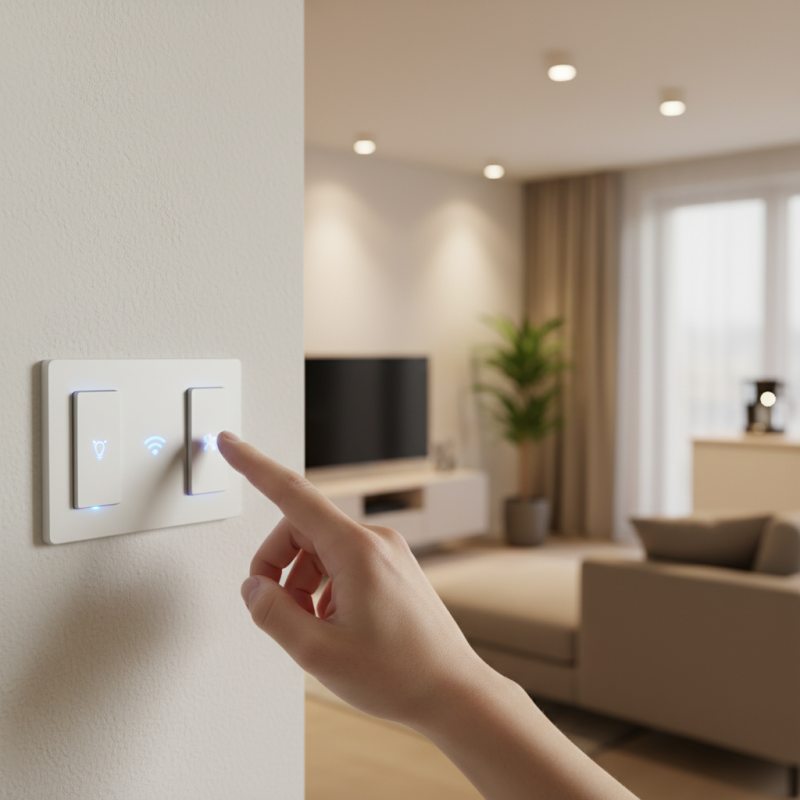
Understanding the Benefits of WiFi Smart Switches in Home Automation
WiFi smart switches play a crucial role in home automation. They are not just a convenience; they enhance energy efficiency too. A recent report noted that smart homes can save up to 30% on energy bills. Imagine controlling your lights remotely or scheduling them to turn off while you’re away. This convenience reduces energy waste and adds to savings.
However, users sometimes face challenges. WiFi connectivity issues can disrupt control over devices. A study showed that 15% of smart home users experience intermittent connectivity. This leads to frustration, as the intended automation doesn't function smoothly. It's vital to ensure strong WiFi coverage in your home to avoid these hiccups.
Despite the occasional setbacks, the benefits remain significant. WiFi smart switches contribute to a more sustainable lifestyle. They allow customization, adapting to individual needs and preferences. With features like remote control, they can improve safety and security. As home automation evolves, investing in WiFi smart switches is a step toward a smarter, more efficient home.
Key Features to Look for in WiFi Smart Switches
When choosing WiFi smart switches, certain key features stand out. A reliable and strong WiFi signal is essential. Without it, devices may not work as planned. Smart switches should also support automation. This means they can be programmed or controlled remotely. According to industry data, the global smart home market is projected to reach $158 billion by 2024. This surge highlights the importance of integrating smart technology effectively.
Compatibility is another critical feature. Ensure your switch works with your existing home system. It should be compatible with popular voice assistants. This can enhance your experience significantly. Energy monitoring is a bonus feature. It helps track usage and can save on energy bills. Studies show that homes using smart switches can save up to 20% on electricity.
Tip: Look for switches with easy installation options. Some require no additional wiring. This can save time and reduce headaches.
Some switches may have limited app functionality. This is an area worth researching. User reviews can provide insight. Also, consider safety features. Overheating protection is vital for long-term use. Balancing these features against your needs will lead to a more satisfying choice.
Top 10 WiFi Smart Switches for Your Home: A Comprehensive Review
Upgrading your home with WiFi smart switches can enhance convenience and efficiency. These devices offer more than just remote control. Imagine adjusting your lights from the comfort of your bed. It’s a simple yet powerful change. Users often rave about how intuitive these switches are. They can control multiple lights and devices seamlessly.
However, not every smart switch is perfect. Some may struggle with connectivity issues, leading to frustration. Others could have a complicated setup process that deters less tech-savvy homeowners. A frequent complaint is the need for a stable WiFi signal. Power outages can also disrupt their operation completely.
Considering the features is crucial. Look for options with energy monitoring. This can help optimize energy consumption. Voice control compatibility is another important feature. It allows for hands-free operation, making daily tasks easier. However, there might be limitations in compatibility with various smart home ecosystems. It’s essential to ensure your switches integrate smoothly with your existing devices. Each switch has its pros and cons, making it vital to assess your specific needs.
Installation and Setup Guide for WiFi Smart Switches
Installing WiFi smart switches can seem daunting, yet it’s a perfect step towards home automation. Begin by turning off the power at the circuit breaker. Safety is key. Gather your tools: a screwdriver, wire stripper, and a voltage tester. This can save you from potential mishaps.
Once you have the switch in hand, you'll need to remove the old one. Carefully disconnect the wires, noting where each one goes. Wire colors can be misleading. It’s essential to double-check which wire is live. Afterward, attach your new smart switch, ensuring a secure connection.
Many users overlook the configuration phase. Download the corresponding app on your smartphone. Connecting the smart switch to WiFi can sometimes be frustrating. Follow the app instructions closely, but don’t be surprised if you encounter glitches. A few attempts might be necessary. Remember, even small errors in setup can lead to connectivity issues. Patience and attention to detail will pay off.
Integrating WiFi Smart Switches with Home Automation Systems
Integrating WiFi smart switches into home automation systems has become increasingly popular. According to a recent industry report, the smart home market is expected to reach $174 billion by 2025. This immense growth is driven by the convenience and control these devices offer. Bluetooth and WiFi switches allow users to manage lighting and appliances remotely, enhancing user experience.
However, challenges remain. Compatibility issues often arise when integrating these switches with existing home automation systems. Many consumers report difficulty in setting up devices due to complex installation processes. A report by market research indicated that 30% of users abandon smart device setups due to these hurdles.
Security remains a crucial concern as well. With 59% of households now utilizing smart devices, vulnerabilities can increase. Device hacking and data breaches create anxiety for consumers. Therefore, diligent research and careful selection of products are vital for ensuring seamless integration and protection. Users must remain vigilant and stay updated on best practices to safeguard their networks while enjoying the benefits of smart technology.