Top 10 Rod End Bearings: The Ultimate Guide to Choosing the Right One for Your Needs
When it comes to selecting the right rod end bearing for your application, understanding the nuances of this crucial component can make a significant difference in performance and durability.
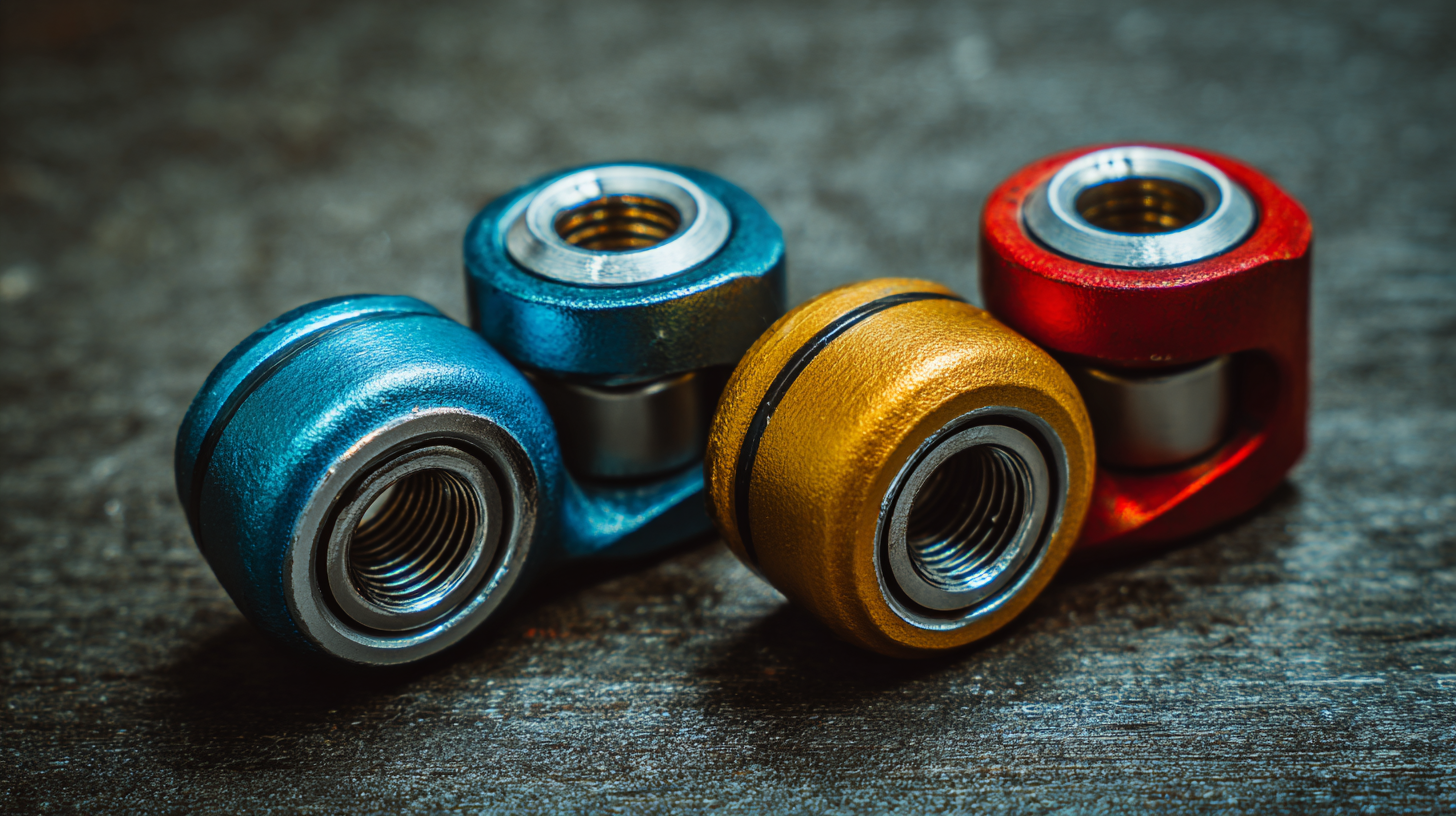 Rod end bearings, often used in linkages and control systems, are essential for providing smooth movement and alignment in mechanical systems. With various types and sizes available, choosing the right rod end bearing is not just about fit; it involves consideration of load capacity, material, and environmental factors.
In this ultimate guide, we will explore the top 10 rod end bearings on the market, breaking down their specifications, advantages, and best use cases. Whether you're a seasoned engineer or a DIY enthusiast, this comprehensive overview will equip you with the knowledge to make an informed decision. By understanding the characteristics of each option, you will be better prepared to select a rod end bearing that meets your specific needs, ensuring optimal performance in your mechanical projects. Let’s dive into the world of rod end bearings and find the perfect fit for your requirements.
Understanding Rod End Bearings: Types and Functions
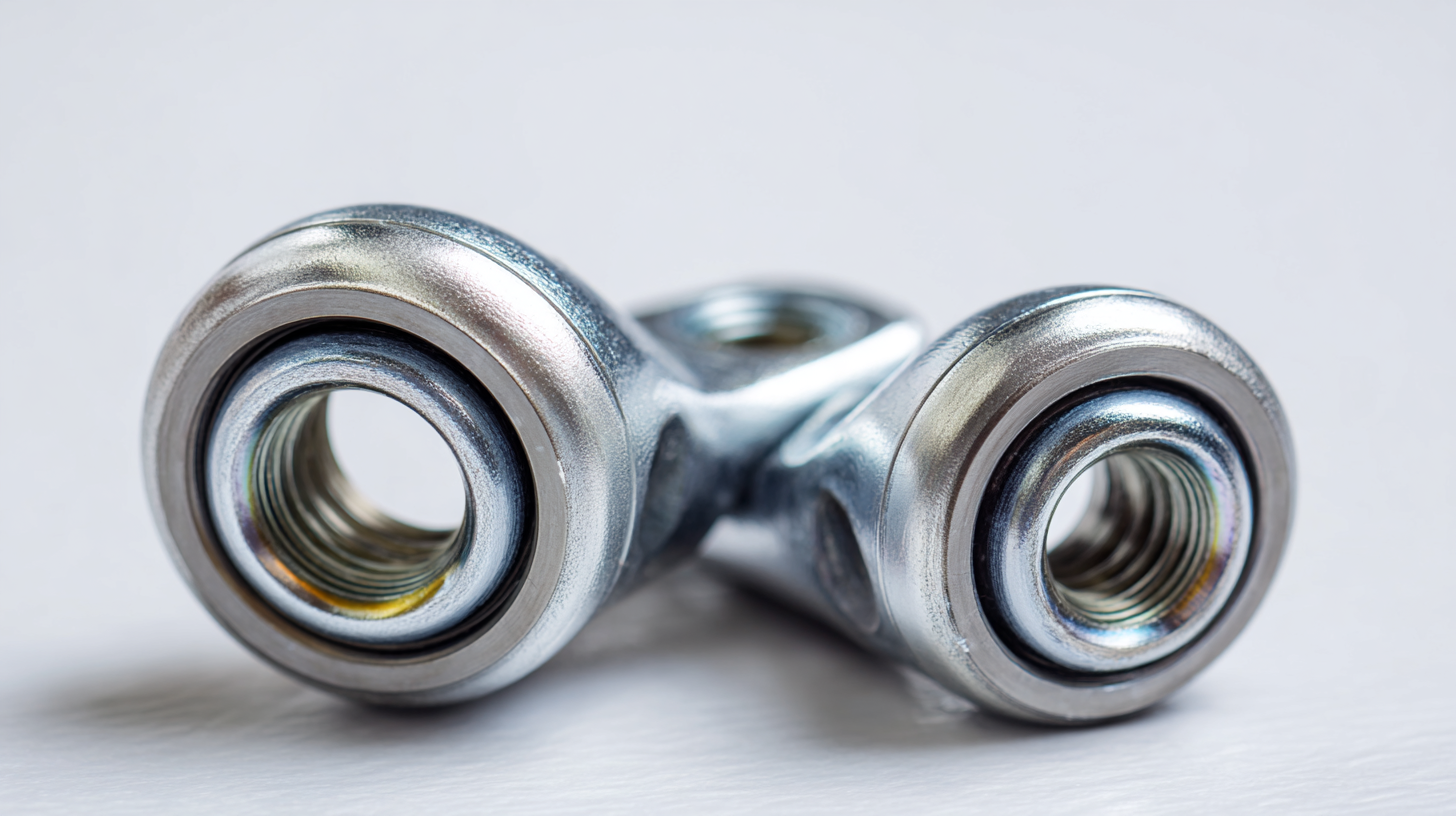
Rod end bearings, also known as Heim joints, are critical components used in various applications ranging from automotive to aerospace engineering. These mechanical articulations provide a pivot point for connecting a rod to a pivoting body, allowing for angular movement in multiple directions. Understanding the different types and functions of rod end bearings is essential for selecting the appropriate one for your specific needs. Common types include male and female rod ends, with materials varying from steel and aluminum to polymer composites. According to industry data from the Bearing Specialists Association (BSA), the global rod end bearings market is projected to grow at a CAGR of 5.6% through 2027, driven by advancements in automotive performance and aerospace innovation.
When choosing a rod end bearing, consider factors such as load capacity, temperature tolerance, and environmental resistance. For instance, stainless steel bearings excel in corrosive environments, while polymer-based options are often preferable for lightweight applications.
**Tips:** Always refer to the manufacturer specifications to ensure that the bearing can withstand the applied loads and conditions. Additionally, regularly inspect rod end bearings for wear and damage to maintain optimal performance and prevent mechanical failure.
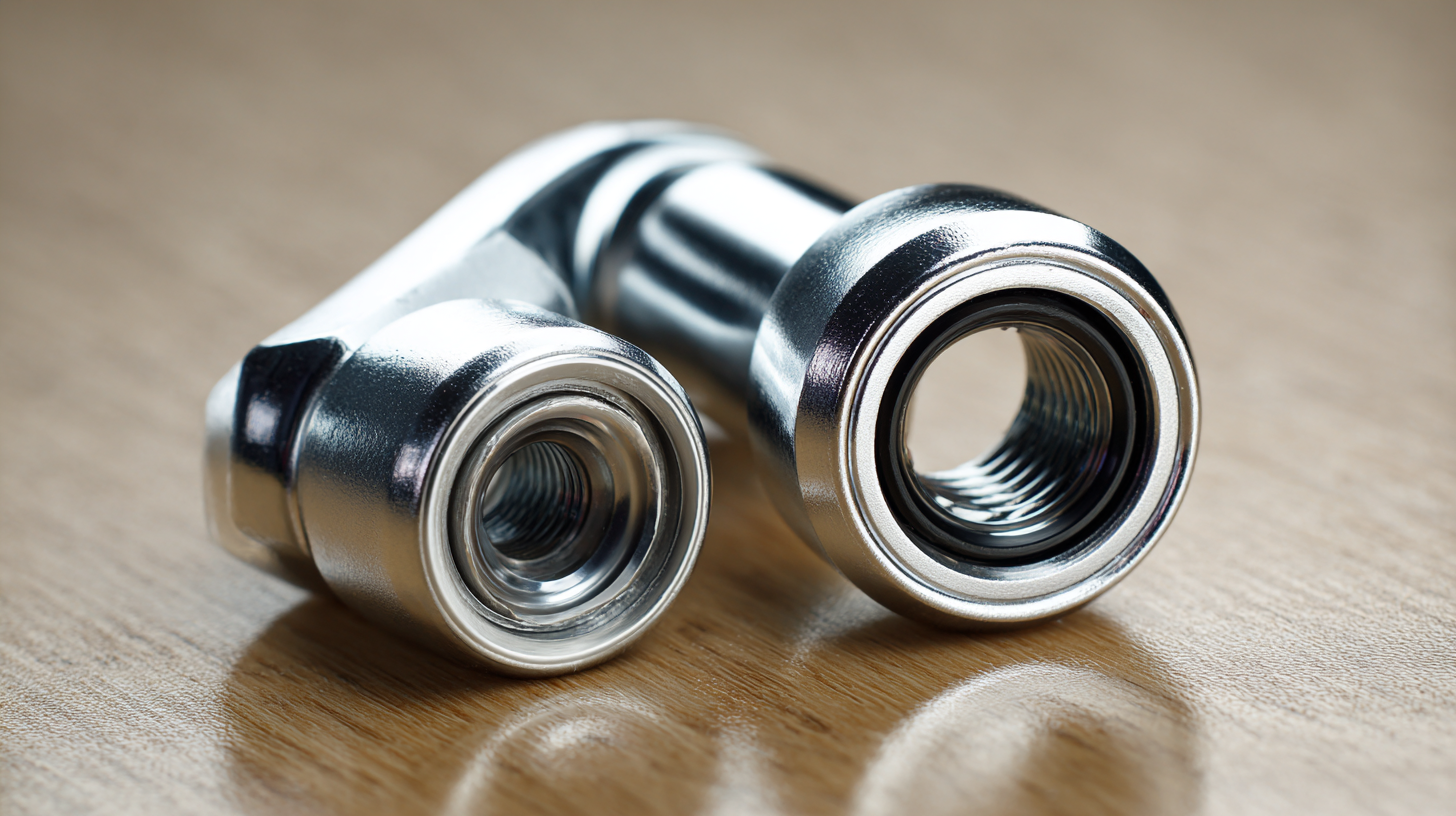
Key Factors to Consider When Selecting Rod End Bearings
When selecting rod end bearings, there are several key factors to consider to ensure optimal performance and longevity. First and foremost, the load capacity of the bearing must align with the application requirements. Understanding both static and dynamic loads helps determine the appropriate bearing size and type. Additionally, materials play a crucial role; selecting bearings made from high-quality materials, such as stainless steel or bronze, can enhance corrosion resistance and durability, especially in challenging environments.
Another important factor is the type of lubrication used. Rod end bearings can be designed for various lubrication methods, including greased or self-lubricating options. Self-lubricating bearings can reduce maintenance needs and are ideal for applications where regular oiling is impractical. Furthermore, considering the bearing's misalignment tolerance is critical, as some applications may demand greater flexibility in movement. Evaluating these parameters thoroughly will guide you to the right choice for your specific needs, ultimately leading to improved performance and reduced downtime in your machinery.
Top 10 Rod End Bearings: Key Factors to Consider
Top Brands in the Rod End Bearing Market: A Comparative Review
 When selecting the right rod end bearing, understanding the top brands in the market is essential. Brands like
Raybestos,
SKF, and
Moog have established themselves as leaders due to their commitment to quality and performance.
Raybestos is known for its durability and innovative designs, making it a favorite among automotive enthusiasts.
SKF, on the other hand, offers a wide range of rod end bearings with exceptional load-bearing capabilities, suitable for industrial applications.
Moog specializes in precision engineering, providing bearings that deliver reliability and longevity, particularly in heavy-duty environments.
When selecting the right rod end bearing, understanding the top brands in the market is essential. Brands like
Raybestos,
SKF, and
Moog have established themselves as leaders due to their commitment to quality and performance.
Raybestos is known for its durability and innovative designs, making it a favorite among automotive enthusiasts.
SKF, on the other hand, offers a wide range of rod end bearings with exceptional load-bearing capabilities, suitable for industrial applications.
Moog specializes in precision engineering, providing bearings that deliver reliability and longevity, particularly in heavy-duty environments.
Tips for choosing the right rod end bearing include assessing the specific application requirements such as load capacity, environmental exposure, and motion characteristics. For instance, if you're using a bearing in a high-temperature setting, it's crucial to select one with suitable materials that can withstand those conditions. Additionally, consider the level of maintenance required; some bearings are designed for less frequent maintenance, which can be advantageous for complicated machinery.
Another important aspect is to check customer reviews and feedback on performance. Many top brands provide resources and support, allowing you to make informed decisions based on user experiences. Understanding the comparative advantages of brands can help you select a rod end bearing that aligns with your operational needs and enhances the efficiency of your projects.
Applications of Rod End Bearings Across Various Industries
Rod end bearings, also known as Heim joints, are versatile components utilized across various industries, significantly enhancing mechanical performance. Their design allows for angular misalignment, making them ideal for applications in automotive systems, aerospace, and industrial machinery. In the automotive sector, rod end bearings facilitate smooth movement in steering linkages and suspension systems. Similarly, in aerospace, they are critical for ensuring the reliability of control surfaces and landing gear mechanisms. The flexibility and durability of these bearings under different operating conditions make them essential for efficient machinery operation.
Moreover, the demand for rod end bearings has surged due to advancements in manufacturing technologies and the increasing need for precision components in high-performance applications. The shift towards automation and the integration of robotics in manufacturing processes further drive this demand, as these bearings offer the necessary support for dynamic movements. Current trends indicate that industries are increasingly focusing on hybrid and miniature designs to optimize performance, indicating a significant growth trajectory for rod end bearings. As innovation continues, these components will play an even more pivotal role in enhancing the efficiency and reliability of various mechanical systems.
Maintenance Tips for Longevity and Performance of Rod End Bearings
When it comes to maintaining rod end bearings, proper care is essential to ensure their longevity and optimal performance. Regular inspection is crucial; check for signs of wear, corrosion, or deformation, and replace any damaged bearings promptly to prevent further complications. Lubrication is another key aspect of maintenance. Use the appropriate lubricant specified for your rod end bearings and adhere to a maintenance schedule to ensure they remain properly greased, reducing friction and wear during operation.
Additionally, monitoring load and alignment can significantly extend the life of your bearing components. Ensure that the bearings are not subjected to loads beyond their rated capacity, and check that they are properly aligned within the assembly. Misalignment can lead to premature failure and decreased performance. Regular cleaning of the bearings can also help in removing dirt and debris, which, if left unchecked, could cause damage. By incorporating these maintenance tips into your routine, you can maximize the performance and lifespan of your rod end bearings, ensuring they function effectively throughout their service life.