Top 10 Photovoltaic Connectors You Need to Know About?
Photovoltaic connectors play a vital role in solar energy systems. These small yet essential components ensure the reliable transmission of electricity generated by solar panels. Choosing the right connectors can greatly impact system performance and longevity.
In the world of renewable energy, various photovoltaic connectors exist, each with unique features and specifications. Understanding these differences is crucial for both DIY enthusiasts and professionals in solar installation. The right choice can enhance efficiency and minimize maintenance concerns.
This guide explores the top 10 photovoltaic connectors that are essential for any solar project. By learning about their characteristics, you can make informed decisions. Each connector has strengths and weaknesses that merit consideration. So, whether you’re a novice or an expert, this overview can help you reflect on your choices.
Understanding Photovoltaic Connectors: An Overview
Photovoltaic connectors play a crucial role in the solar energy industry. They ensure the reliable connection between solar panels and other electrical components. In recent years, there has been a growing emphasis on the importance of connector quality. According to market research, nearly 35% of system failures in photovoltaic systems can be traced back to poor connections.
Properly designed connectors enhance system efficiency. Different connector types are tailored for varying environmental conditions. For instance, connectors used in high-temperature areas need specialized materials to ensure durability. A report indicates that connectors with higher IP ratings can reduce maintenance costs by approximately 20%. Many systems still use outdated connectors, leading to performance issues.
Not all connectors are created equal. Some manufacturers focus solely on cost rather than functionality. This can provoke greater long-term expenses due to failures or replacements. It's vital to question the materials used and the overall design. In an industry focused on sustainability, ensuring that every component, including connectors, meets high standards is essential.
Types of Photovoltaic Connectors and Their Applications
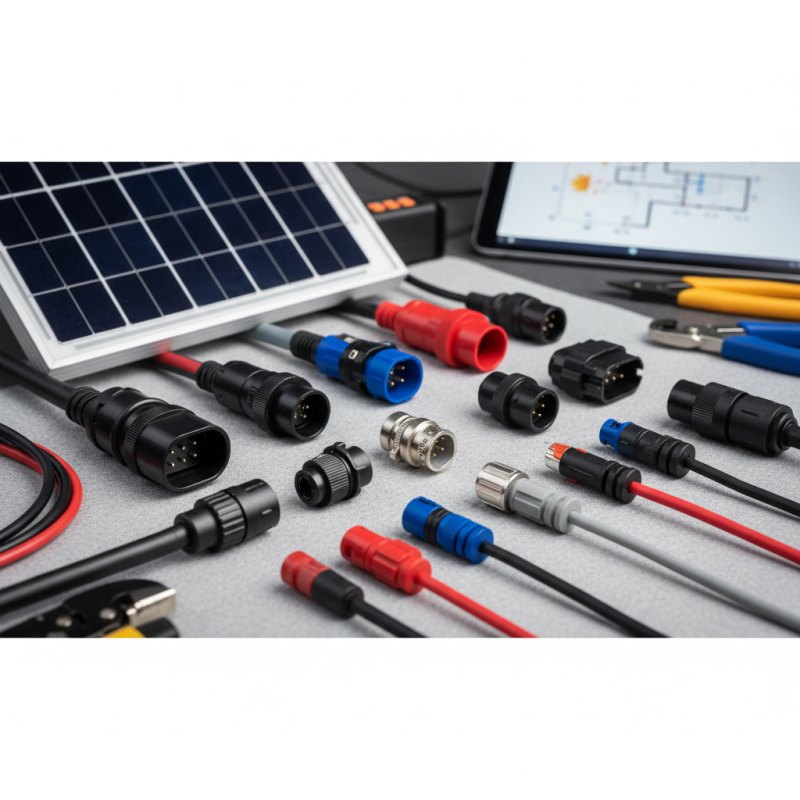
Photovoltaic connectors are crucial for solar energy systems. They ensure reliable connections between photovoltaic modules and inverters. Key types include MC4 and Amphenol connectors. MC4 connectors dominate the market, accounting for 70% of installations globally. Their design allows for easy coupling and uncoupling, which is essential for maintenance.
Another popular option is the TUV-certified connector. These connectors provide additional safety features, making them ideal for complex installations. They are gaining traction in both residential and commercial setups. A recent market study showed that the demand for photovoltaic connectors is expected to grow by 8% annually. However, the performance of connectors is critical. Poor quality can lead to efficiency losses.
Manufacturers are now focusing on improving the durability of connectors. Weather resistance is a key concern. Connectors must withstand extreme temperatures and moisture. In environments with high humidity, failure rates of lesser-quality connectors can exceed 12%. This emphasizes the need for investment in proper technology. Selectors need to be chosen carefully to enhance overall system performance.
Top 10 Photovoltaic Connectors You Need to Know About
| Connector Type | Material | Current Rating | Voltage Rating | Application |
| MC4 Connector | Polycarbonate | 30A | 1000V DC | Solar Panels |
| Amphenol H4 Connector | Thermoplastic | 30A | 1500V DC | High Power Modules |
| Solis Connector | Polyamide | 20A | 1000V DC | Residential Solar Systems |
| Tyco Connector | PVC | 30A | 1000V DC | Utility Scale Applications |
| JST Connector | Nylon | 15A | 600V DC | Smaller Scale PV Installations |
| MSTB Connector | Metal | 30A | 1000V DC | Commercial Solar Applications |
| Heraeus Connector | Polycarbonate | 25A | 1500V DC | High Efficiency Solar Modules |
| Weco Connector | Thermoplastic | 20A | 1000V DC | Residential and Commercial |
| RECOM Connector | Nylon | 20A | 600V DC | Utility and On-grid Systems |
Key Features to Consider When Choosing Photovoltaic Connectors
When selecting photovoltaic connectors, several key features demand attention. The durability of connectors is critical. They should withstand harsh weather and UV exposure. A study found that connectors often fail due to environmental stress. Ensuring they have a robust design can enhance their lifespan significantly.
Tip: Always check the temperature rating. Connectors should perform safely within your local climate range.
Another important factor is the ease of installation. Complex connectors can slow down installation. According to industry reports, simplifying installation can save up to 30% in labor costs. It is essential to choose connectors that do not compromise the efficiency of installation.
Tip: Look for connectors with user-friendly designs. This can mitigate installation errors and time delays.
Compatibility is a vital aspect as well. Ensure that the connectors match your solar panels and the overall system. Mismatched components can lead to inefficiencies and system failures, which can be costly. Remember, connectors that are easy to maintain can save you trouble down the line.
Top Brands and Products in the Photovoltaic Connector Market
In the photovoltaic connector market, several key characteristics define top products. These connectors must ensure reliable performance in diverse weather conditions. Durability is essential for long-term use. High-quality materials can prevent corrosion, enhancing longevity. The right connectors facilitate easy installation and maintenance. However, users may sometimes overlook these details.
Not all photovoltaic connectors are created equal. Some manufacturers prioritize aesthetics over functionality. It's crucial to assess the specifications and compatibility with existing systems. A mismatch can lead to inefficiencies or even system failure. Understanding the nuances of connector types can aid better decision-making. Some preferences may stem from personal experiences, but not always from empirical data.
End users must remain vigilant. Industry standards evolve regularly. Keeping track of these changes can be challenging. Though many products look similar, performance levels can vary significantly. Investing time in research pays off when selecting connectors. Paying attention to feedback from fellow users can also provide invaluable insights into product reliability.
Installation and Maintenance Tips for Photovoltaic Connectors
When working with photovoltaic connectors, proper installation is crucial. Incorrect connections can lead to energy loss and pose safety risks. Pay attention to polarity during installation. Miswiring can damage your system and increase maintenance costs.
Check the connectors after installation. Make sure they are secure and not exposed to stress. Loose connections can cause overheating. Inspect for corrosion or dirt buildup. A clean connection ensures better performance.
Maintenance is key for longevity. Regularly examine connectors. Look for signs of wear or damage. Replace any compromised components promptly. Document your maintenance activities. This helps identify recurring issues. Addressing them early can save time and money.
Top 10 Photovoltaic Connectors Performance