Top 10 HVAC Oil Pump Manufacturers for Global Buyers
The global HVAC market is becoming more demanding, and the humble Hvac Oil Pump is gaining strategic importance. It supports compressor lubrication, reduces friction, and helps stabilize equipment under continuous thermal stress. A small pump failure can leave a large chiller silent.
The International Energy Agency’s The Future of Cooling report projects global space-cooling electricity demand could rise from about 2,020 TWh in 2016 to 6,200 TWh by 2050. That pressure makes efficiency, durability, and serviceability important purchasing criteria. The U.S. Department of Energy also identifies compressor performance and lubrication as key factors affecting refrigeration-system efficiency. These findings explain why buyers should examine more than catalog prices.
Professor Reinhard Radermacher, a respected refrigeration-systems researcher at the University of Maryland, has described the compressor as “the heart of the refrigeration system.” The oil pump protects that heart. Or, at least, it should.
This guide, Top 10 HVAC Oil Pump Manufacturers for Global Buyers, compares established suppliers through practical criteria. These include pump design, oil compatibility, pressure stability, manufacturing experience, quality controls, certifications, delivery capability, and technical support. Information is considered alongside manufacturer documentation and recognized industry references. Claims still require verification.
A ranking is never perfect. Application conditions vary. Buyers should confirm viscosity, refrigerant compatibility, operating temperature, flow rate, shaft configuration, and replacement availability before ordering. A reliable-looking specification sheet may hide a poor service network. The best choice is not always the cheapest one. Sometimes, the quietest pump offers the strongest value over years of operation.
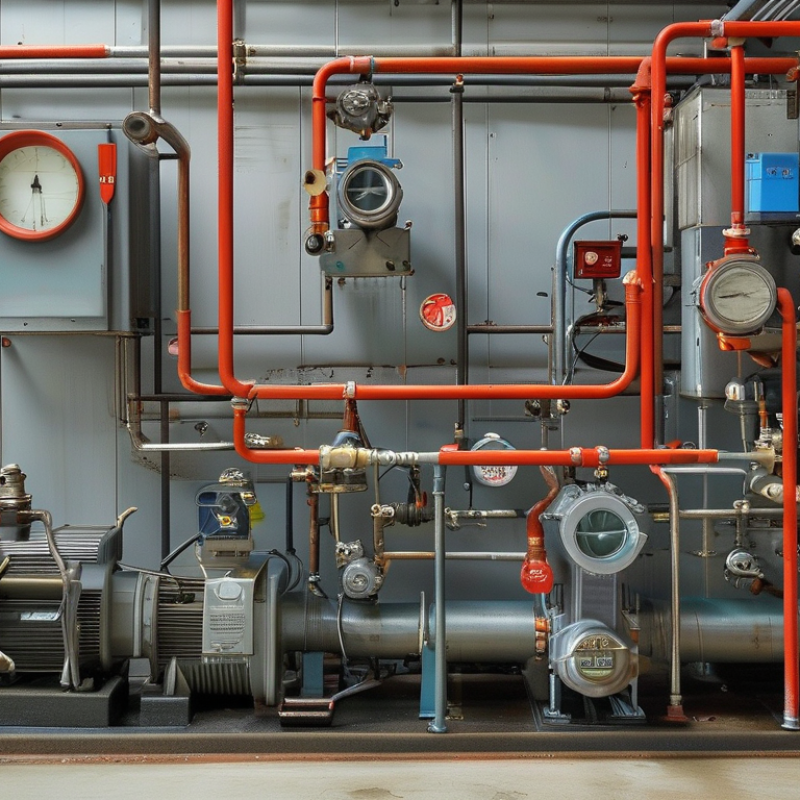
HVAC Oil Pump Basics and Their Role in Refrigeration Systems
HVAC oil pumps help refrigeration compressors stay lubricated under demanding operating conditions. They move oil from the sump or separator toward bearings, shafts, and other moving parts. The pump does not cool the refrigerant directly. Instead, it protects the compressor from friction, heat, and premature wear.
A reliable oil pump must match the compressor’s flow rate, pressure range, oil viscosity, and operating temperature. During commissioning, technicians should check oil pressure, sight-glass level, abnormal noise, and signs of foaming. A stable pressure difference often indicates proper circulation, but it is not the only proof of performance. Blocked strainers, incorrect oil levels, and refrigerant dilution can create similar symptoms.
Small details matter.
In service work, a pump may appear healthy while delivering weak flow after long operation. This is easy to miss. Engineers should review suction conditions, discharge pressure, oil temperature, and the manufacturer’s service data together. Selecting a pump only by connection size is a risky shortcut. I have seen specifications look correct on paper, yet poor oil return caused bearing damage later. That reminder remains useful: refrigeration systems change with load, ambient temperature, and maintenance quality. A suitable pump needs a practical safety margin, not just a matching catalog number.
Key Criteria for Evaluating Global HVAC Oil Pump Manufacturers
Top 10 HVAC Oil Pump Manufacturers for Global Buyers
Key Criteria for Evaluating Global HVAC Oil Pump Manufacturers
Choosing an HVAC oil pump manufacturer requires more than comparing prices. The pump must match refrigerant type, oil viscosity, operating temperature, and pressure range. Ask for flow curves under realistic conditions, not only laboratory figures. A reliable supplier should provide material data, dimensional drawings, and clear tolerance information. Small details matter, especially when a pump operates near a compressor for thousands of hours.
Manufacturing experience becomes visible through testing routines. Request evidence of endurance tests, leakage checks, noise measurements, and batch traceability. I have seen attractive samples fail because seals hardened during cold-start testing. That experience changed how I assess suppliers. A polished website proves little. Factory audits, production records, and independent test reports offer stronger evidence. Quality systems should be documented and consistently applied.
Global buyers should also examine technical support and delivery discipline. Can engineers answer installation questions in clear English? Are spare parts available without uncertain delays? Check export packaging, labeling, warranty terms, and communication during quality disputes. Certifications may support credibility, but buyers should verify their scope and validity. No manufacturer is flawless. Even strong suppliers may overlook a custom voltage, unusual oil blend, or regional service need. A careful evaluation leaves room for these uncomfortable questions before purchase orders are issued.
Top 10 HVAC Oil Pump Manufacturers by Product Strengths
Top 10 HVAC Oil Pump Manufacturers by Product Strengths
The top ten HVAC oil pump manufacturers differ more by engineering focus than appearance. High-volume rotary vane specialists support stable oil circulation in large refrigeration systems. Compact pump makers prioritize small footprints for rooftop units and tight service compartments. Some manufacturers develop low-temperature models for cold-storage facilities, where oil thickening can delay startup. Others focus on high-temperature operation near compressors exposed to continuous thermal stress.
Variable-speed pump manufacturers offer responsive flow control for inverter-driven equipment. Low-noise specialists use balanced rotors, tighter machining, and vibration-isolated housings. Corrosion-resistant suppliers select treated steel, coated aluminum, or stainless components for humid environments. Heavy-duty producers emphasize long service intervals, reinforced bearings, and reliable performance under frequent cycling. Energy-focused manufacturers reduce motor losses and improve circulation efficiency. Custom-engineering teams adapt ports, seals, voltage, and mounting dimensions for original equipment requirements.
Details matter. During supplier evaluations, I would check oil compatibility, rated pressure, operating temperature, starting torque, and verified endurance data. A polished datasheet is not enough. Field conditions often expose weaknesses in seals or wiring. No pump wins every test. A quiet model may deliver less pressure, while a compact model may sacrifice service access. Buyers should compare measured performance, inspection records, spare-part availability, and technical support before selecting a manufacturer. The strongest option is the one that matches the system, not simply the highest advertised rating.
Top 10 HVAC Oil Pump Manufacturers by Product Strengths
Global HVAC oil pump evaluation framework based on commonly published technical selection criteria
The chart compares ten product-strength dimensions commonly used by global buyers when evaluating HVAC oil pumps. The normalized scores reflect engineering priorities such as reliability, low-temperature starting, pressure stability, viscosity compatibility, energy efficiency, noise control, compact design, corrosion resistance, serviceability, and application coverage. The index is product-focused and does not represent claims about any named company or brand.
Regional Availability, Certifications, and Technical Support
When comparing the top ten HVAC oil pump manufacturers, global buyers should map supply to actual job locations. A factory may ship worldwide, yet local stock can determine whether a compressor repair waits three days or three weeks. Check distributor coverage, export experience, lead times, and spare-part warehouses in your region. Ask for written delivery estimates, not optimistic promises. That matters during peak cooling season.
Certifications need careful reading. ISO 9001 can indicate controlled quality processes, but it does not certify every pump model. Depending on the destination, buyers may also need CE, UL, RoHS, or other market-specific approvals. Request current certificates, test reports, and the exact model numbers covered. Verify issuing bodies and validity dates. A certificate copied into a brochure is not enough. Small detail, large risk.
Technical support often separates a reliable supplier from a convenient one. Ask whether engineers can review oil viscosity, motor voltage, flow rate, and installation conditions before purchase. During commissioning, clear wiring diagrams and video guidance can prevent expensive mistakes. Strong suppliers offer multilingual manuals, response targets, troubleshooting records, and replacement parts with stable specifications. I have seen projects delayed because support stopped after shipment. That weakness is easy to miss during tendering. Buyers should test one communication channel before signing. It may feel excessive, but practical support is harder to measure than price.
How Global Buyers Can Select the Right HVAC Oil Pump Supplier
Selecting the right HVAC oil pump supplier requires more than comparing catalog prices. Start with the pump’s actual operating conditions. Check oil viscosity, temperature range, flow rate, pressure, motor duty cycle, and seal materials. Compatibility with refrigerant oils is essential. A pump that performs well in a workshop may fail under continuous rooftop operation.
Ask suppliers for test reports, dimensional drawings, material details, and traceable production records. Reliable manufacturers should explain their quality checks clearly. Look for documented pressure testing, noise measurements, leakage inspection, and motor protection. Certifications can support trust, but they do not replace technical verification. Request samples and test them with your own oil, piping, and control system.
Supplier support matters after delivery. Confirm spare-part availability, warranty terms, lead times, packaging quality, and response times. Experienced suppliers can recommend modifications for cold starts, high temperatures, or frequent cycling. Still, technical promises deserve practical testing. I have seen attractive datasheets hide unstable flow at low temperatures. One sample is not enough. Review performance across several units and operating cycles. A small pilot order may reveal assembly variation, installation problems, or communication gaps before a global purchase becomes expensive.