
Engineer's Toolbox Visit www.hansarobotics.com

Category Banner

2026 Top Food Packaging Inspection Systems for Buyers

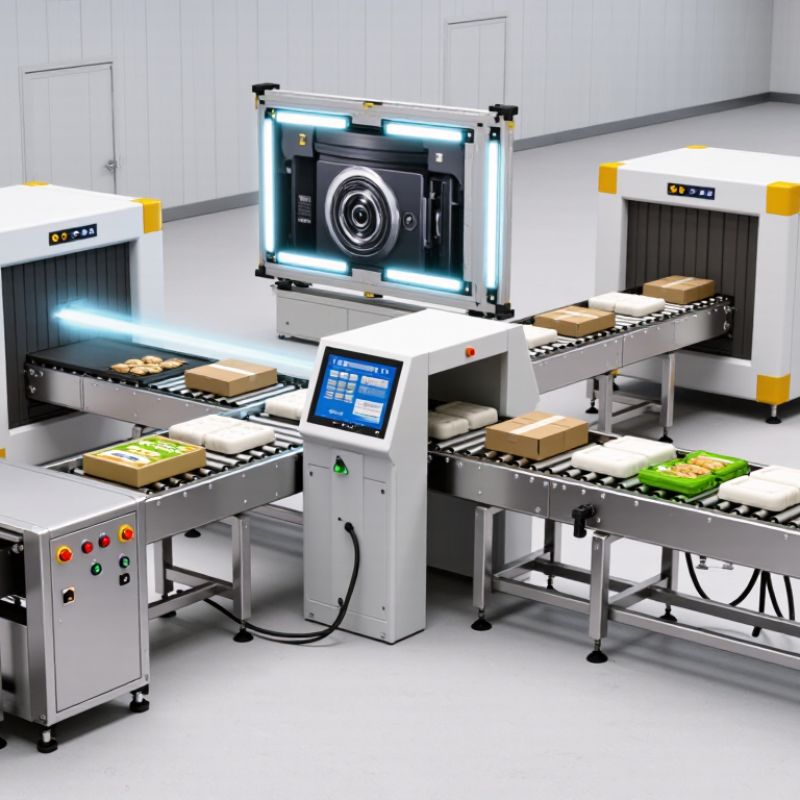
Choosing a packaging inspection system is about more than spotting a defect. It is about finding the right balance between product safety, line speed, and dependable performance. In 2026, buyers can compare technologies such as X-ray inspection, metal detection, vision systems, and checkweighers. Each addresses different risks. A camera may catch a crooked label, while an X-ray system can reveal a foreign object inside a sealed pack. The details matter.

This guide to Food Packaging Inspection systems helps buyers assess options against real production needs. Consider package material, product texture, expected throughput, cleaning routines, and integration with existing conveyors. Ask suppliers how the system handles false rejects and how operators verify results during a busy shift. Those answers can be more useful than a polished demonstration.

No system fits every line. A setup that works well for rigid trays may struggle with flexible pouches or frequent product changes. Buyers should review documented test results, service support, and training requirements before deciding. Some trade-offs only become clear after installation. That is worth remembering.
2026 Top Food Packaging Inspection Systems for Buyers

Food Packaging Inspection Systems: Purpose and Scope

Food packaging inspection systems are designed to protect product integrity, verify packaging quality, and support consistent release decisions. In 2026, buyers should view them as risk-control tools, not simple rejection machines. They examine seals, labels, codes, fill levels, foreign material, and package shape. Different products require different inspection points. A chilled tray may need seal and leak checks. A dry pouch may require seal contamination detection and code verification. The purpose is practical: identify defects before they reach distribution or consumers. Small defects matter.

Their scope extends across production, from incoming packaging materials to final case inspection. Cameras can check print alignment and missing information, while sensors can detect metal or unusual density. Checkweighers help identify underfilled or overfilled packs. Integrated data records can connect an image, weight result, time stamp, and line position. This supports investigations and gives quality teams evidence, not guesses.

Yet inspection cannot repair weak packaging design or poor sanitation controls. It also cannot replace trained operators. Real lines are messy. Condensation, vibration, glare, and speed can reduce accuracy. Buyers should request site trials with representative products, realistic defects, and normal cleaning routines. Ask how false rejects are measured. Ask how missed defects are reviewed. One limitation deserves honesty: no system detects everything. Performance may change after film, recipe, or line-speed changes. Clear validation plans, routine challenge tests, and accessible maintenance records make the equipment more trustworthy.

Core Inspection Technologies Used in 2026

Core Inspection Technologies Used in 2026

Food packaging inspection systems combine several technologies, each suited to different defects. Metal detectors identify many ferrous and non-ferrous contaminants, while X-ray systems can reveal dense foreign objects inside sealed packs. X-ray inspection may also check fill levels, count items, or spot missing components. It is not equally effective for every material or product shape. Test it with representative samples.

Vision systems use cameras and controlled lighting to inspect labels, seals, codes, and package appearance. A camera may catch a crooked label or a poorly formed seal in milliseconds. Optical character recognition can read printed dates, though glare, condensation, and weak contrast still cause errors. Small details matter. A clear image does not prove that a package is safe.

Checkweighers measure each pack as it moves along the line, helping teams find underfilled or overfilled products. Some systems connect inspection results to automatic rejection devices and production records. Buyers should assess line speed, package material, product consistency, and changeover needs before choosing a setup. Real-world trials are useful; catalog specifications alone can be misleading. And maintenance takes time. Keep calibration and verification routines practical, or they may be skipped during a busy shift.

Packaging Formats and Product Applications

In 2026, food packaging inspection systems must match the package, not just the product. Flexible pouches can wrinkle, reflect light, and hide weak seals. Vision cameras inspect print, fill level, and seal position. Seal testers check leaks without damaging every pack. Metal detection and X-ray inspection address different contamination risks. Their value depends on package structure, product density, and line speed.

For rigid trays, inspection focuses on lidding film, rim seals, cracks, and misplaced portions. Clear containers need controlled lighting to reveal trapped air or foreign particles. Cartons require code verification, flap checks, and barcode reading. Cans and jars benefit from checks for dents, missing closures, and label defects. Powdered foods may need sensitive weight control because dust can confuse optical sensors.

Applications should guide equipment selection. Fresh produce often needs gentle handling and fast seal confirmation. Ready meals require portion, temperature, and closure checks. Bakery packs demand attention to crumbs near the seal. Frozen products can create condensation, so lighting and reject timing need testing. No system is flawless. A rushed trial may pass clean samples but fail on wrinkled film. Buyers should test real products, several package sizes, and deliberate defects. Some settings may need refinement after installation.

Key Criteria for Comparing Systems as a Buyer

2026 Top Food Packaging Inspection Systems for Buyers

Buying an inspection system requires more than comparing detection claims. A buyer should examine real production conditions, including conveyor speed, package shape, film thickness, and product temperature. Ask suppliers to test your actual samples, not ideal laboratory pieces. Record detection rates, false rejects, changeover time, and cleaning effort. A system that detects small defects but stops the line repeatedly may reduce productivity.

Compare the inspection method with the risk. Vision systems can examine labels, seals, codes, and damaged packaging. Metal detection and X-ray systems address different contamination concerns and product characteristics. Check sensitivity across product recipes, moisture levels, and package materials. Also review data logging, alarm history, calibration controls, and integration with existing equipment. These details support traceability and reliable decisions. Do not overlook operator training. Complex screens often create avoidable mistakes.

Tips: Request a written test protocol and acceptance criteria before purchase. Measure total cost, including installation, validation, maintenance, software updates, and spare parts. Check enclosure ratings for washdown areas. Review service response times and training materials. Leave room for improvement; your first comparison may miss hidden cleaning or changeover costs. A short factory trial can reveal more than a polished sales presentation. Choose evidence over promises.

2026 Top Food Packaging Inspection Systems for Buyers — Key Criteria for Comparing Systems as a Buyer
Inspection System Primary Inspection Task Common Applications Key Strengths Important Limitations Buyer Comparison Criteria
Metal Detection Detects ferrous, non-ferrous, and stainless-steel contamination, subject to product and system conditions. Packaged snacks, bakery products, frozen foods, and products on conveyors or in pipelines. Established technology; can inspect many product formats; often straightforward to integrate into a production line. Product moisture, salt, temperature, packaging, and orientation can affect sensitivity. Foil or metallized packaging may require a different inspection approach. Review test-piece sensitivity by metal type, aperture size, product effect, line speed, reject confirmation, and validation procedures.
X-Ray Inspection Identifies contaminants with different density from the product, such as many metal fragments, glass, stone, and some dense plastics or bones. Products in cans, jars, trays, cartons, pouches, or other packaging that can challenge conventional metal detection. Can inspect through many types of packaging and may also support checks for missing items, product completeness, or fill-related defects. Detection depends on contaminant size, density, position, product characteristics, and system setup. It does not identify every material or guarantee detection of all contaminants. Compare test results using representative products and contaminant samples; check belt or line speed, inspection area, reject handling, and radiation-safety provisions.
Vision Inspection Uses cameras and image processing to inspect visible packaging or product features. Label presence and position, print or date-code checks, cap and closure presence, packaging appearance, and visible product defects. Can check multiple visible features at once and create images or records for review, depending on system configuration. Only assesses features visible to the camera. Results can be affected by lighting, glare, condensation, product variation, and camera positioning. Ask for trials with actual packaging, print, lighting, and line conditions; compare changeover, recipe management, image storage, and false-reject performance.
Checkweigher Weighs individual packs in motion and identifies items outside configured weight limits. Flexible packs, cartons, bottles, trays, and other products that can be conveyed and weighed reliably. Supports weight control and can help identify underweight or overweight packs; may provide production statistics. It does not detect foreign objects or verify seal integrity. Accuracy can be affected by vibration, conveyor conditions, pack spacing, and product movement. Compare required weighing range, pack dimensions, line speed, stated weighing performance under real conditions, calibration process, and reject verification.
Seal and Leak Inspection Checks package closure or leak-related characteristics using methods such as pressure or vacuum testing, depending on package type. Sealed trays, rigid containers, and other formats for which a suitable non-destructive or sample-based test method is available. Addresses packaging integrity that visual inspection alone may not reliably confirm. Test method suitability varies by material, package geometry, headspace, and defect type. Some methods are destructive or are used for offline sampling rather than every-pack inspection. Confirm the method can detect the relevant defect sizes and locations; assess whether testing is inline or sampled, and verify results with known-good and known-defective packs.
Combination Inspection System Combines two or more functions, commonly metal detection or X-ray inspection with checkweighing or vision. Lines where floor space is limited or where several inspection steps need coordinated controls. May reduce separate equipment footprints and simplify operator interaction or line-level reporting. Combining functions does not remove each technology’s individual limitations. A shared system may require more involved setup, servicing, or changeover. Compare each inspection function independently, verify throughput at the required configuration, and review access, reject-bin design, maintenance, and software integration.

Installation, Validation, and Ongoing Performance

2026 Top Food Packaging Inspection Systems for Buyers

Installation determines whether an inspection system performs well beyond the sales demonstration. Place the unit on a rigid, level frame near the final packaging point. Keep lighting stable and protect sensors from washdown spray, vibration, and product dust. Leave enough space for cleaning and safe access. Small installation shortcuts often create large inspection gaps.

Validation should use real packaging, expected defects, and difficult product variations. Test sealed trays, wrinkled film, missing labels, damaged edges, and poorly aligned codes. Record the product speed, conveyor spacing, lighting conditions, and rejection timing. Clear acceptance criteria make results easier to defend. A practical validation plan often includes installation qualification, operational checks, and performance testing. Do not validate only with perfect samples. That feels efficient, but it proves very little.

Ongoing performance needs visible discipline. Operators can inspect challenge samples at the start of each shift and after major adjustments. Review false rejects, missed defects, downtime, and image quality trends each week. Keep calibration records and link every result to a product format. Dust gradually changes image contrast. Film glare can appear after a supplier change. I have seen teams blame the camera when the real issue was conveyor movement. We still miss things sometimes. That is why periodic revalidation, staff feedback, and honest review matter more than a one-time approval.

2026 Top Food Packaging Inspection Systems for Buyers

Installation, validation, and ongoing performance priorities

Buyers should evaluate inspection systems across the full equipment lifecycle. Installation focuses on integration, safety, utilities, and calibration. Validation confirms detection capability using documented challenge tests and production conditions. Ongoing performance depends on routine verification, calibration, reject monitoring, data review, and corrective action records.