Top 10 Aluminum Profiles for Windows Suppliers?
Choosing among the Top 10 Aluminum Profiles for Windows Suppliers requires more than comparing prices. A reliable supplier must deliver stable alloys, accurate dimensions, consistent finishes, and dependable technical support. In real projects, a two-millimeter mismatch can disturb an entire window system. Small errors become expensive quickly.
Tom Culp, Ph.D., a respected fenestration consultant, puts the principle simply: “A window is a system, not a collection of parts.” That view should guide every evaluation of Aluminum Profiles For Windows. Buyers need to examine alloy selection, temper, wall thickness, thermal-break design, surface treatment, and machining quality. Documentation matters too. Test reports, production records, and traceable material certificates can separate an experienced manufacturer from a trading company.
Details matter. Not glamorous.
This guide compares ten notable suppliers through practical criteria, including extrusion capability, tooling support, anodizing and powder-coating performance, delivery consistency, minimum order quantities, and after-sales service. It also considers whether each supplier understands regional climate demands, installation conditions, and common architectural specifications. A profile designed for a mild indoor application may perform poorly beside a wet coastline or under intense sunlight.
No ranking is perfect. Supplier strengths can change by market, project size, and required certification. Some companies excel at custom profiles but struggle with short lead times. Others offer fast delivery but limited engineering support. That weakness deserves attention. The final selection should combine verified evidence, sample inspection, technical consultation, and realistic project requirements—not polished brochures alone.
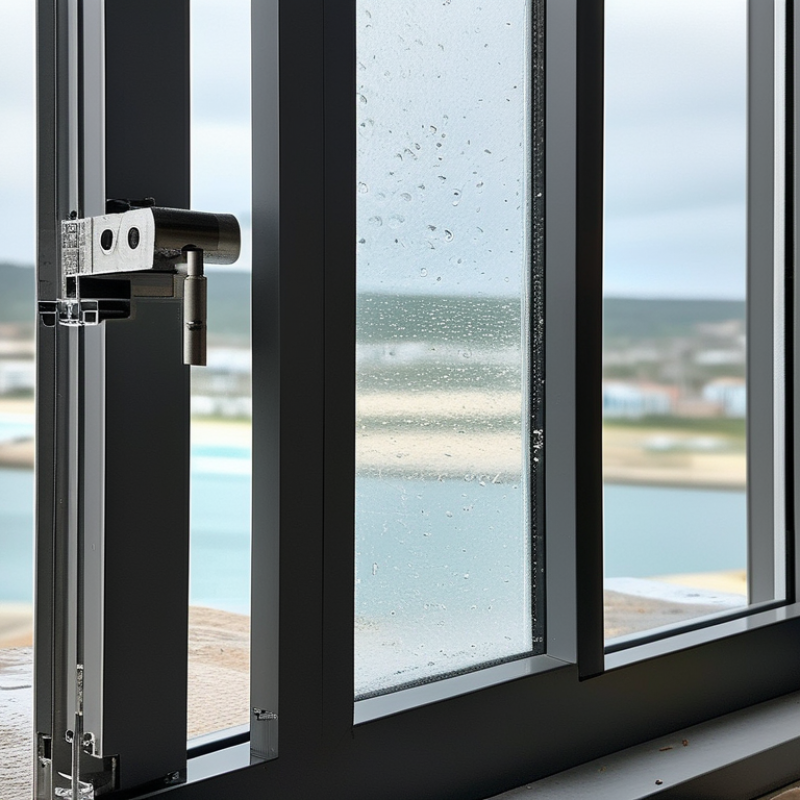
What Are Aluminum Window Profiles and Why Do They Matter?
Aluminum window profiles are extruded sections that form the frame, sash, mullion, and sill around glass. Manufacturers press heated aluminum billets through shaped dies, creating precise, repeatable profiles. The alloy provides strength with relatively low weight. It also resists corrosion in humid rooms and coastal environments when properly finished.
The profile controls more than appearance. Its internal chambers improve stiffness and create space for seals, drainage paths, and thermal barriers. A thermal break separates the interior and exterior aluminum, reducing heat transfer and interior condensation. Gaskets must compress evenly around the glass. Small details matter. A poorly aligned corner can cause drafts, rattling, or water stains beside the sill.
When comparing suppliers, I would inspect drawings, alloy information, coating records, and dimensional tolerances. Ask for test data covering air leakage, water resistance, wind pressure, and thermal performance. Reliable suppliers should explain how profiles fit local glass thicknesses, hardware, and fabrication methods. I once underestimated the effect of a narrow drainage channel; the frame looked clean, but heavy rain exposed the weakness. That experience changed my view of “premium” profiles. Appearance helps, but engineering evidence matters more. Even accurate profiles can fail when cutting, crimping, or sealing is rushed. On-site samples and a small trial order can reveal practical problems before a large installation.
Top 10 Aluminum Profiles for Windows Suppliers? What Are Aluminum Window Profiles and Why Do They Matter?
Aluminum window profiles are engineered frame sections that support the glass, hardware, seals, and drainage system. Their thermal-break design strongly affects insulation, condensation resistance, energy efficiency, and overall window performance.
The chart compares typical frame thermal transmittance values (Uf) for common aluminum profile configurations. Lower Uf values indicate better thermal insulation. Values are representative technical benchmarks based on commonly tested aluminum window system ranges under EN ISO 10077-2; actual results depend on profile geometry, thermal-break material, glazing, seals, dimensions, and installation.
How to Evaluate the Top 10 Aluminum Profile Suppliers
To evaluate the top 10 aluminum profile suppliers for windows, inspect evidence rather than polished catalogues. The U.S. Department of Energy estimates that windows can cause 25–30% of residential heating and cooling energy use. Therefore, assess thermal-break design, frame depth, air leakage, water resistance, and tested U-values. Request reports from accredited laboratories, not screenshots or unsupported claims. A sample corner joint often reveals more than a sales presentation.
Material consistency also matters. The International Aluminium Institute reported global primary aluminium production of about 70 million tonnes in 2023. Large volume does not guarantee reliable profiles. Ask each supplier for alloy designation, temper, dimensional tolerances, recycled-content data, and coating standards. Check whether test results match the actual extrusion series, gasket system, and glass configuration. They sometimes do not.
Compare the ten suppliers using the same scorecard. Include tooling accuracy, minimum order quantities, lead times, packaging, technical drawings, and complaint response time. Request three recent project references with similar climate exposure. A factory audit should examine billet storage, extrusion temperature control, surface inspection, and powder-coating thickness. Small details matter. A clean showroom can still hide weak process control. I would also test a few random batches independently, even when certificates look complete. That adds cost, but it exposes variation early. Price should remain a factor, not the deciding factor. Supplier reliability is better measured through repeatable evidence, transparent limitations, and corrective action records.
How Do Supplier Quality, Certifications, and Customization Compare?
When comparing the top 10 aluminum profile suppliers for windows, supplier quality should begin with production evidence, not attractive brochures. Ask for alloy grades, temper details, dimensional tolerances, and recent test reports. A reliable supplier can explain how billets are inspected before extrusion. They should also show coating thickness records and color consistency checks.
Certifications offer useful evidence, but they are not automatic proof of excellent windows. ISO 9001 can indicate a controlled quality system, while ISO 14001 reflects environmental management practices. For coated profiles, relevant powder-coating certifications may provide additional confidence. Verify certificate numbers, issuing organizations, and validity dates. A copied certificate is a warning sign. So is vague documentation.
Customization separates capable suppliers from simple catalog sellers. Discuss profile geometry, wall thickness, thermal breaks, drainage channels, and hardware channels before requesting a quotation. Good suppliers review drawings and identify weak corners or difficult extrusion areas. They may recommend a small die trial before mass production. That costs time. It can prevent expensive rework later.
My practical concern is that many buyers compare only price and visible finish. A smooth surface can hide poor alloy control or inconsistent tolerances. Request physical samples, cross-section measurements, packaging photos, and a pre-shipment inspection plan.
Even experienced teams can overlook compatibility between profiles, gaskets, and hardware. That mistake is common. Supplier communication, technical response speed, and willingness to document changes often reveal more than a polished showroom.
Which Aluminum Profile Supplier Best Fits Your Window Project?
A top-ten list is useful, but your window project needs more than rankings. The right aluminum profile supplier should match your climate, opening size, finish, and installation method. For coastal buildings, ask for corrosion testing and a verified coating system. For tall windows, request profile drawings, alloy certificates, and deflection calculations before ordering.
The International Aluminium Institute identifies buildings and construction as a major aluminum-use sector, near one quarter of global demand. That scale makes traceability important. Ask suppliers to document alloy composition, extrusion tolerances, recycled content, and production controls. The Aluminum Association reports that recycled aluminum requires about 95% less energy than primary aluminum production. However, recycled content alone does not prove quality. Check whether thermal breaks, corner joints, gaskets, and drainage details meet project requirements.
Look for evidence under ISO 9001, ISO 14001, EN 755, EN 12020, or ASTM B221, depending on your market. A reliable supplier should provide samples with consistent anodizing, clean screw channels, and accurate wall thickness. Short lead times matter. So does after-sales support.
No scorecard is perfect. A supplier can score nine out of ten and still fail when tooling changes. Confirm minimum order quantities, replacement procedures, packaging protection, and technical response times in writing. Site experience also matters; ask for comparable installations, not only laboratory claims. The best fit is the supplier whose documented performance survives real weather, repeated operation, and your project’s less-than-perfect conditions.