Ultimate Tips for Choosing a Cryogenic Liquid Tank?
Choosing the right Cryogenic Liquid Tank is crucial for efficiency and safety in various industries. These tanks store liquefied gases at extremely low temperatures. Selecting the wrong tank can lead to severe consequences, including leaks and operational failures.
Understanding your specific needs is essential. Consider factors such as the type of cryogenic fluid, storage capacity, and insulation requirements. Each application may demand different specifications. It is vital to consult professionals who understand these complexities. Their expertise can guide you in making informed choices, ensuring the reliability of your operations.
Moreover, be aware of industry standards and regulations surrounding cryogenic storage. These guidelines will help you maintain safety and compliance. A reliable supplier will provide tanks that meet these criteria. Engage with experts and review case studies. This can highlight potential challenges and mistakes to avoid in your selection process. Your careful approach can lead to effective long-term solutions.
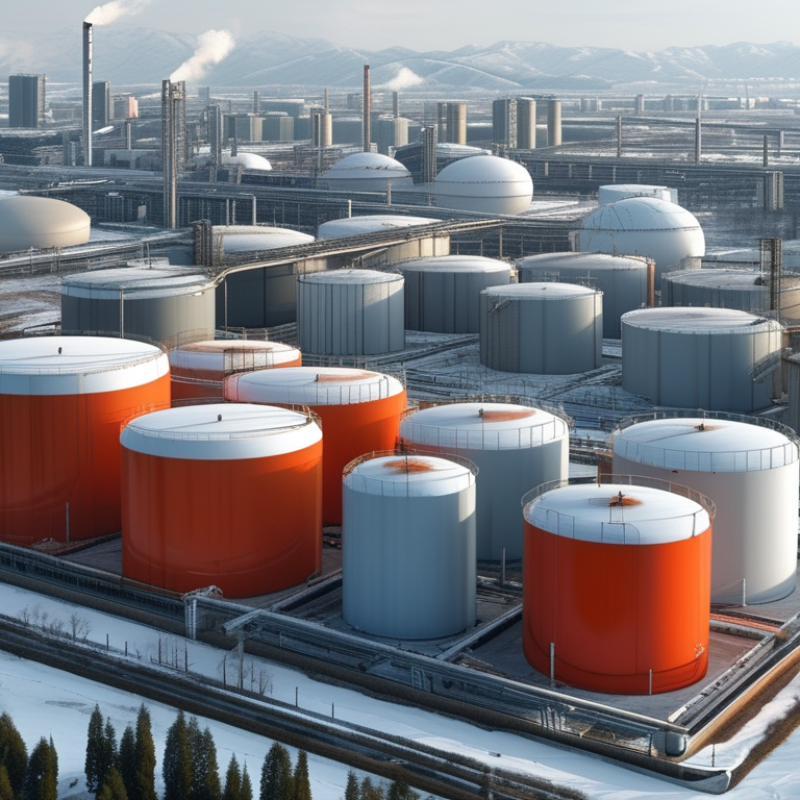
Understanding Cryogenic Liquids and Their Storage Needs
Cryogenic liquids require specialized storage solutions due to their extremely low temperatures. These liquids, including liquid nitrogen and liquid helium, demand tanks that can minimize heat transfer. An efficient tank helps maintain the cold temperature required for these substances. Insulation is a key feature in such tanks, often achieved through a vacuum layer. This design helps prevent heat infiltration from the environment.
Material selection plays a crucial role in tank construction. Tanks often use stainless steel or aluminum for their durability and resistance to extreme temperatures. However, even the best materials can experience stress and fatigue over time. Regular maintenance and inspection should not be overlooked. Points of wear may develop, leading to leaks or failures that can be dangerous.
Understanding the specific needs of the cryogenic liquid is essential. For instance, different liquids have unique boiling points, affecting the required tank specifications. Not taking these differences into account can lead to ineffective storage solutions. Storage duration also impacts the tank's design; short-term versus long-term storage calls for varying strategies. Evaluating these elements can enhance safety and efficiency in handling cryogenic liquids.
Factors Influencing the Selection of Cryogenic Liquid Tanks
Choosing the right cryogenic liquid tank involves several critical factors. One key consideration is the materials used in tank construction. High-grade stainless steel is often recommended for its durability and resistance to temperature fluctuations. According to the Cryogenic Society of America, materials must withstand extreme environments while maintaining structural integrity, which is vital for safety.
The tank's design is equally important. It should accommodate specific storage conditions. For instance, different cryogenic liquids, like liquid nitrogen and liquid helium, have varying demands regarding insulation and pressure containment. The American Society of Mechanical Engineers reports that improper design can lead to inefficient storage and potential hazards.
Another factor is maintenance. Cryogenic tanks require regular inspections to prevent leaks and ensure operational safety. Data from the Industrial Gas Users Association emphasizes the importance of routine checks. Neglecting maintenance can result in costly failures. It's worth noting that not all tanks offer equal reliability. Understanding these elements and incorporating expert guidance can significantly enhance the decision-making process.
Factors Influencing the Selection of Cryogenic Liquid Tanks
Key Design Features of Cryogenic Liquid Storage Tanks
When selecting a cryogenic liquid storage tank, key design features should guide your choice. Insulation quality is crucial. Tanks need robust thermal insulation to maintain low temperatures efficiently. Multi-layer insulation systems are often more effective. Ensure the material can withstand extreme conditions, reducing heat transfer.
Safety must not be overlooked. Pressure relief devices are essential. These devices prevent over-pressurization, which can lead to dangerous situations. The tank's design should include safety systems for monitoring pressure and temperature. A comprehensive safety protocol will enhance reliability.
Consider the tank's efficiency in terms of space and volume. Compact designs can save on floor space but must still offer optimal storage capacity. Durability matters too, especially for long-term storage solutions. Evaluate how well the tank can resist environmental factors like corrosion.
Reflecting on your options, ask the following questions: Will this design meet my storage needs? How reliable is the manufacturer? Assessing these aspects can help in making a well-informed decision.
Safety Considerations for Cryogenic Liquid Tank Selection
Selecting a cryogenic liquid tank involves careful consideration, especially regarding safety. As per industry reports, cryogenic liquids can pose significant risks due to their extreme low temperatures. For instance, liquid nitrogen and liquid oxygen can lead to severe frostbite or fire hazards when improperly handled. Thus, prioritizing safety requirements during the tank selection process is essential.
One important aspect is ensuring the tank material can withstand extreme temperatures. Stainless steel, for example, is commonly used for its durability. Moreover, safety features like pressure relief valves should be considered. The U.S. Department of Energy emphasizes the need for proper safety mechanisms to prevent over-pressurization, which can lead to catastrophic failures.
Another consideration is the tank’s installation environment. It must be located away from flammable materials and areas with high foot traffic. Proper ventilation is crucial to prevent the buildup of hazardous gases. Regular inspections should not be overlooked. They help identify potential weak points. Assessing these factors minimizes risks and enhances operational safety in handling cryogenic liquids.
Ultimate Tips for Choosing a Cryogenic Liquid Tank
| Aspect | Considerations | Safety Features | Maintenance |
| Material | Must resist extreme temperatures | Pressure relief valves | Regular inspection of welds |
| Insulation | High-quality vacuum or foam insulation | Thermal monitoring systems | Check for insulation degradation |
| Capacity | Choose based on usage needs | Overfill protection devices | Routine volume checks |
| Location | Consider proximity to operations | Emergency shutdown systems | Ensure accessibility for service |
| Regulatory Compliance | Adhere to local and international standards | Safety certifications | Maintain compliance records |
Maintenance and Inspection Best Practices for Cryogenic Tanks
Regular maintenance and inspection of cryogenic tanks are vital to ensure safety and efficiency. According to the Cryogenic Society of America, improper maintenance can lead to hazardous leaks or failures. A study by the American Society of Mechanical Engineers showed that 35% of cryogenic accidents resulted from inadequate inspections. Therefore, a structured approach to maintenance is crucial.
Inspections should occur at least every six months. During these inspections, check for signs of wear or damage. Consistent monitoring of pressure levels and vacuum integrity is also essential. Experts recommend using radiographic and ultrasonic testing methods for evaluating the tank's structural integrity. These methods identify potential issues before they escalate, providing peace of mind.
Documentation of maintenance and inspection activities is important. Records serve as a reference for future evaluations and compliance with safety regulations. Neglecting to maintain proper documentation can obstruct troubleshooting efforts when problems arise. The complexity of cryogenic systems means small oversights can lead to serious consequences. Regular training and updates for personnel involved in maintenance are equally important. This ongoing education helps highlight ever-evolving safety protocols and industry best practices.