What is a Thermal Shock Chamber and How Does It Work?
In the world of material testing, a Thermal Shock Chamber plays a crucial role. These chambers are designed to subject materials to extreme temperature variations, simulating real-world conditions. Dr. Alice Thompson, a renowned expert in thermal testing, once stated, “Understanding material behavior under thermal shock is vital for innovation.”
The Thermal Shock Chamber operates by rapidly cycling temperatures, exposing samples to both high and low extremes. This process helps determine material durability, integrity, and performance. Many industries, from aerospace to electronics, rely on these tests for safety and reliability.
However, not every test yields perfect results. Each experiment can reveal weaknesses that require further investigation. Testing can be expensive and time-consuming. Understanding these limitations is part of the process. The insights gained from a Thermal Shock Chamber ultimately drive improvement and innovation in materials science.
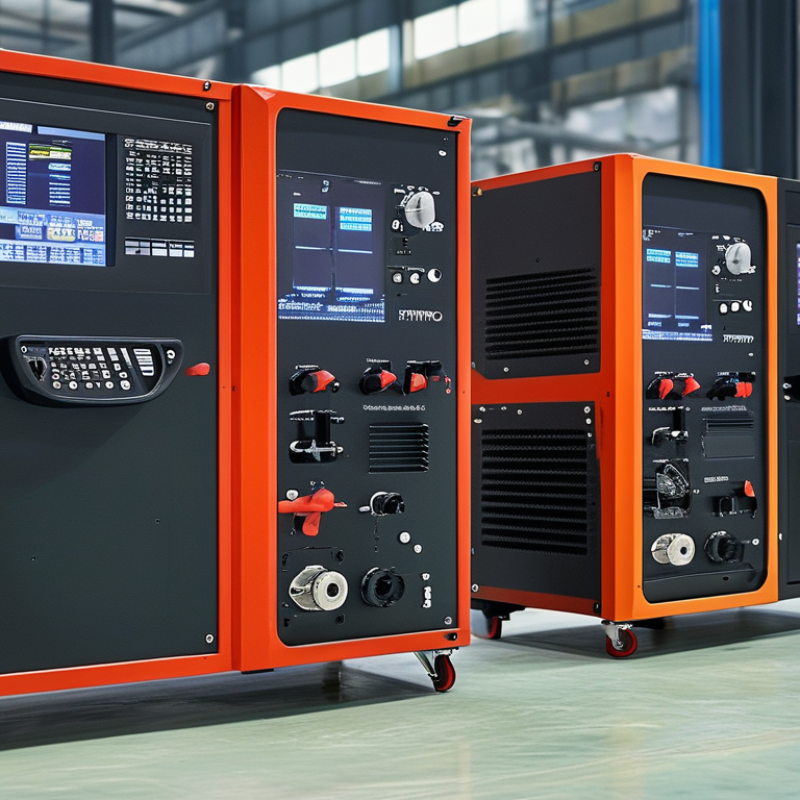
What is a Thermal Shock Chamber? Definition and Overview
A thermal shock chamber is a vital tool used for testing materials under extreme temperature variations. It subjects samples to rapid temperature changes, often ranging from -70°C to +200°C. This chamber helps evaluate how materials react to thermal stress, which is crucial for industries such as aerospace, automotive, and electronics.
According to a report from the International Society for Testing and Evaluation, approximately 75% of product failures relate to thermal-related issues. A thermal shock chamber allows engineers to assess a material's durability and reliability. For instance, ceramics and metals typically exhibit varied thermal expansion coefficients, which can lead to cracks or deformation. Understanding these properties minimizes risks and enhances safety when materials are in use.
The process involves placing a sample in one section of the chamber, subjecting it to extreme heat or cold, then quickly transitioning it to the other temperature. This cycle repeats, simulating potential real-world challenges. However, it’s important to note that while the chamber provides valuable insights, results may not always reflect long-term performance in actual conditions. Continuous refinement in testing methods is essential for accurate predictions.
What is a Thermal Shock Chamber and How Does It Work?
| Parameter | Description | Typical Range |
| Temperature Range | The range of temperatures the chamber can achieve. | -70°C to 150°C |
| Cycle Time | The time taken to complete one thermal shock cycle. | 5 to 10 minutes |
| Humidity Control | Ability to control humidity within the chamber. | 20% to 95% |
| Chamber Size | Internal dimensions of the chamber. | 1000 L to 5000 L |
| Control System | Type of control system used for monitoring. | Digital microprocessor |
Principles of Operation: How Thermal Shock Chambers Function
Thermal shock chambers are essential tools for testing materials under extreme temperature fluctuations. These chambers create rapid changes in temperature, often transitioning from hot to cold within minutes. The design requires precise engineering to ensure consistent results. They simulate real-world conditions where materials might experience sudden temperature shifts, like in aerospace or automotive applications.
The operation of a thermal shock chamber relies on advanced heating and cooling systems. When a test begins, samples are placed in a controlled environment. The chamber initially raises the temperature to a predefined level. Next, the temperature plummets rapidly, exposing the material to thermal stress. This cycle tests how well the material can withstand such stresses. With precise controls, operators can adjust parameters for realistic simulations.
Despite their usefulness, these chambers can sometimes yield unexpected results. For example, materials may behave differently under laboratory conditions compared to real-world scenarios. Some might crack when exposed to rapid temperature changes, while others remain intact. Understanding these outcomes requires experience and careful analysis. Regular maintenance and calibration are vital to ensure reliable performance, making expertise crucial in utilizing thermal shock chambers effectively.
Temperature Range and Cycles in Thermal Shock Testing
Thermal shock testing is crucial for understanding material durability. A thermal shock chamber exposes samples to extreme temperature changes. Typical temperature ranges can be from -100°C to +300°C. The rapid transition impacts how materials behave under stress, simulating real-world conditions.
Testing often involves cycles. For instance, a sample may be cooled rapidly and then heated back up. This cycle can repeat dozens or hundreds of times. It helps identify weaknesses, cracks, or material failures.
Observations during testing can be revealing. Some materials may perform well initially but show signs of fatigue over repeated cycles. Others may not withstand the extremes at all. Reflection on these results is vital for improving material quality and safety in practical applications.
Applications of Thermal Shock Chambers in Various Industries
Thermal shock chambers are invaluable tools in several industries. These chambers simulate extreme temperature variations quickly and efficiently. They help test material durability, revealing weaknesses that standard testing cannot.
In the automotive sector, manufacturers use thermal shock testing to ensure components withstand harsh climates. This includes everything from vehicle electronics to structural parts. Electronics must function reliably in both heat and cold. Similarly, in aerospace, parts must endure rapid temperature shifts during flight. Engineers analyze these factors to improve safety and performance.
The electronics industry also benefits significantly from thermal shock testing. Devices undergo these tests to ensure longevity and reliability. With fast-paced technology changes, companies need assurance that their products won’t fail. Testing helps identify potential issues early, allowing for necessary adjustments. Exploring materials and designs is a vital part of product development. However, not all tests can predict real-world performance. Some failures may still occur after testing. Thus, continuous improvement and testing adjustments are essential for progress.
Applications of Thermal Shock Chambers in Various Industries
Key Standards and Regulations Governing Thermal Shock Testing
Thermal shock testing ensures materials can endure rapid temperature changes. Key standards govern these evaluations, primarily ASTM E1442 and IEC 60068-2-14. These regulations outline test methods and acceptable performance criteria for various materials. Compliance with these standards reflects a commitment to quality. Reliable data indicate that over 70% of failures in materials occur due to thermal shock issues.
Tips: Understand how temperature differentials impact materials. Testing can reveal weaknesses not found in static conditions.
Recent industry reports suggest that thermal shock tests can prevent costly field failures. For example, automotive components require thorough assessments to withstand extreme climate conditions. The aerospace sector also adheres strictly to these standards, emphasizing reliability in high-stakes environments. However, achieving compliance can be challenging; approximately 30% of initial tests fail due to insufficient preparation or incorrect execution.
Tips: Consider using a calibrated thermal shock chamber for accurate simulations. Monitoring temperature and exposure times is crucial for valid results.