What is the Role of Mechanical Parts Suppliers?
In the engineering landscape, mechanical parts suppliers play a crucial role in the manufacturing process. They supply essential components that drive various industries, from automotive to aerospace. According to a recent industry report, the global mechanical parts market is expected to reach over $500 billion by 2025. This growth underscores the importance of these suppliers in ensuring operational efficiency and innovation.
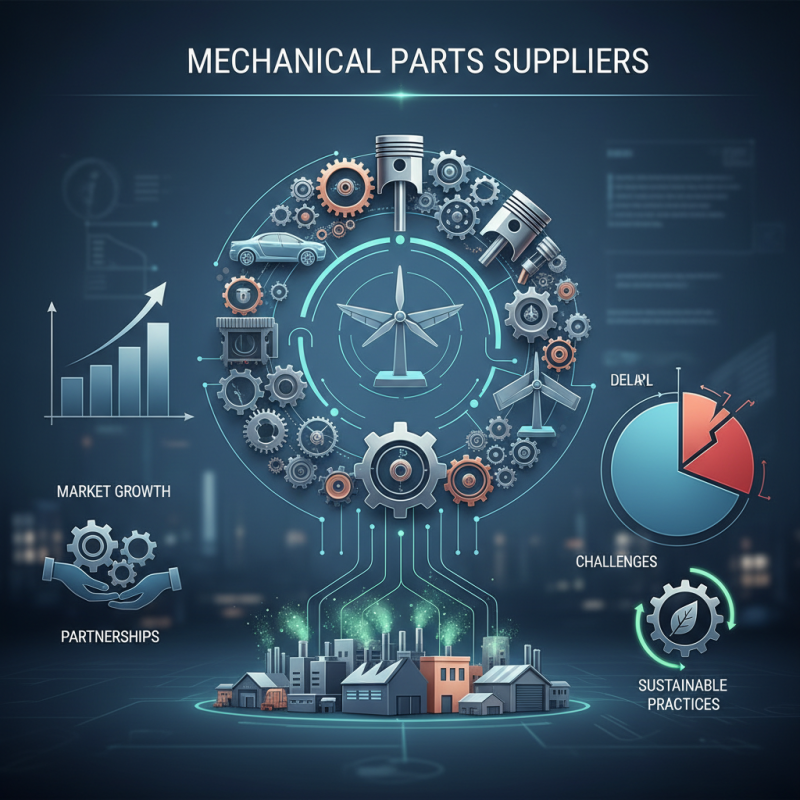
mechanical parts suppliers not only provide raw components but also offer expertise in product development. Their insights can lead to improved designs and cost savings. However, challenges exist. Quality control and delivery delays can hinder productivity. Reports indicate that 30% of manufacturers face issues related to supplier reliability. This raises a significant concern for companies reliant on these partnerships.
Moreover, as the demand for sustainable practices increases, mechanical parts suppliers must adapt. They need to focus on eco-friendly materials and processes. Yet, transitioning to sustainable practices is not always straightforward. Sometimes, it requires a complete overhaul of existing systems. Suppliers are under pressure to meet these new expectations while maintaining their competitive edge.
Definition and Overview of Mechanical Parts Suppliers
Mechanical parts suppliers play a vital role in various industries. They provide essential components for machinery, vehicles, and electronics. These suppliers source a variety of mechanical parts, such as gears, bearings, and fasteners. Their expertise helps manufacturers maintain production levels and optimize performance.
Tips: Always check the quality standards of suppliers. Reliable suppliers often provide certifications.
Engaging with a mechanical parts supplier can lead to significant improvements. They offer insights into materials and design changes. However, miscommunication can lead to costly errors. It's important to clarify specifications and expectations upfront.
Tips: Don't hesitate to ask questions. Clear communication fosters better collaboration.
Building a strong relationship with suppliers is crucial. Trust can lead to better terms and faster service. But it's wise to periodically evaluate their performance. This reflection can reveal areas for improvement.
Tips: Document interactions with suppliers. Transparency helps in resolving issues.
Key Functions and Responsibilities of Mechanical Parts Suppliers
Mechanical parts suppliers play a critical role in manufacturing industries. They provide essential components that enable the production of various products. According to a 2021 industry report, mechanical parts account for approximately 30% of total production costs. This indicates how vital suppliers are in the supply chain.
One of the key functions of these suppliers is inventory management. They must maintain adequate stock levels to avoid production delays. A 2022 survey found that 45% of manufacturers reported disruptions due to insufficient parts. This highlights the need for effective communication and planning between suppliers and manufacturers.
Additionally, mechanical parts suppliers are responsible for quality assurance. They must ensure their products meet industry standards. A report noted that 25% of mechanical failures in production were attributed to poor-quality components. This underscores the importance of rigorous testing and inspections. Suppliers face constant pressure to deliver high-quality parts while managing costs. The balance is not easy and requires ongoing reflection and improvement.
What is the Role of Mechanical Parts Suppliers? - Key Functions and Responsibilities of Mechanical Parts Suppliers
| Function | Description | Key Responsibilities | Importance |
| Sourcing | Identifying and procuring mechanical parts from various manufacturers. | Evaluate suppliers, negotiate contracts, and ensure quality standards. | Critical for ensuring a reliable supply chain. |
| Quality Control | Ensuring that all mechanical parts meet specific quality and safety standards. | Conduct inspections and tests, implement quality management systems. | Essential for maintaining product integrity. |
| Inventory Management | Overseeing stock levels of mechanical parts to meet production demands. | Track inventory, forecast needs, and manage storage. | Vital for minimizing downtime in production. |
| Technical Support | Providing expertise on mechanical parts and their applications. | Assist clients with installation, maintenance, and troubleshooting. | Enhances customer satisfaction and loyalty. |
| Logistics and Delivery | Coordinating the transportation of mechanical parts to clients. | Plan shipments, manage delivery schedules, and track shipments. | Crucial for ensuring timely project completion. |
Importance of Mechanical Parts Suppliers in Various Industries
Mechanical parts suppliers play a crucial role in various industries. They provide essential components that keep machinery and equipment running smoothly. From automotive to aerospace, these suppliers ensure manufacturing processes are efficient and effective. They supply bearings, gears, and fasteners that meet specific standards.
Quality control is essential in this field. A single defective part can lead to breakdowns and costly downtime. Suppliers must constantly assess their products to meet industry demands. However, some suppliers struggle to maintain consistent quality. This inconsistency can cause frustration and delays for manufacturers.
Tips: Always evaluate a supplier’s reliability before making a decision. Check reviews and request samples if possible. Building strong relationships with suppliers can lead to better communication and improved quality over time. Additionally, consider diversifying your supplier base. This can minimize risks associated with relying on a single source.
Having a good inventory management system is vital. It helps track parts and manage stock levels effectively. Mismanagement can lead to shortages or excess inventory. Both situations can disrupt production and affect profitability. Recognizing these challenges can lead to better strategic planning and smoother operations.
Challenges Faced by Mechanical Parts Suppliers Today
Mechanical parts suppliers are facing numerous challenges today. The demand for precision and quality has never been higher. According to recent industry reports, 76% of manufacturers cite quality issues as a significant concern. This highlights the pressure on suppliers to meet strict standards. Moreover, supply chain disruptions continue to plague the industry. A recent survey found that 70% of suppliers experienced delays due to transportation issues.
Another challenge is the rapid technological evolution. Many suppliers struggle to keep pace with advancements in manufacturing technology. For instance, only 30% of suppliers have integrated automation into their processes. This gap puts them at risk of falling behind competitors who invest in modern techniques. Environmental regulations also add complexity. Suppliers must navigate compliance while managing production costs effectively.
The workforce presents a further hurdle. There is a skills shortage in the mechanical parts industry. Over 50% of companies report difficulty finding qualified workers. This shortage impacts productivity and delays project timelines. Suppliers must rethink recruitment strategies and invest in training to address this issue. Balancing these challenges requires innovation and adaptability in a demanding market landscape.
Future Trends in the Mechanical Parts Supply Industry
The mechanical parts supply industry is undergoing significant changes. Increasing demand for automation and smart manufacturing drives innovation. According to a recent report by MarketsandMarkets, the global mechanical components market is projected to reach $450 billion by 2025. This growth indicates a shift towards high-tech solutions.
Sustainability is another emerging trend. Suppliers are pressured to adopt eco-friendly materials and practices. Data from the International Energy Agency shows the manufacturing sector accounts for 20% of global energy use. Therefore, investing in energy-efficient technologies is crucial. Manufacturers must reflect on their environmental impact while meeting client demands.
Lastly, digitalization plays a key role in supply chain management. Implementing IoT and blockchain improves transparency. A survey by Deloitte found that 79% of manufacturers see digital transformation as vital. Yet, many still struggle with integrating new technologies. Embracing change is necessary but challenging. Suppliers must adapt, or risk falling behind.
Future Trends in the Mechanical Parts Supply Industry