Exploring the Engineering Marvel: How Rod End Bearings Enhance Performance in Modern Machinery
In the world of modern machinery, the intricacies of design and function often come down to the smallest components that play critical roles in performance. Among these components, the rod end bearing stands out as an engineering marvel that significantly enhances efficiency and reliability across various applications. This versatile component, which connects the control rods to moving parts, allows for smooth motion and precise alignment, leading to improved operational stability. As industries continue to evolve, the importance of understanding how rod end bearings contribute to overall machinery performance cannot be overstated. In this exploration, we will delve into the various types of rod end bearings, their applications, and essential tips for selecting the right bearing to meet specific engineering needs. Whether you're an experienced engineer or a novice in the field, this insight into rod end bearings will equip you with the knowledge to optimize machinery performance effectively.
Understanding the Basics of Rod End Bearings and Their Applications
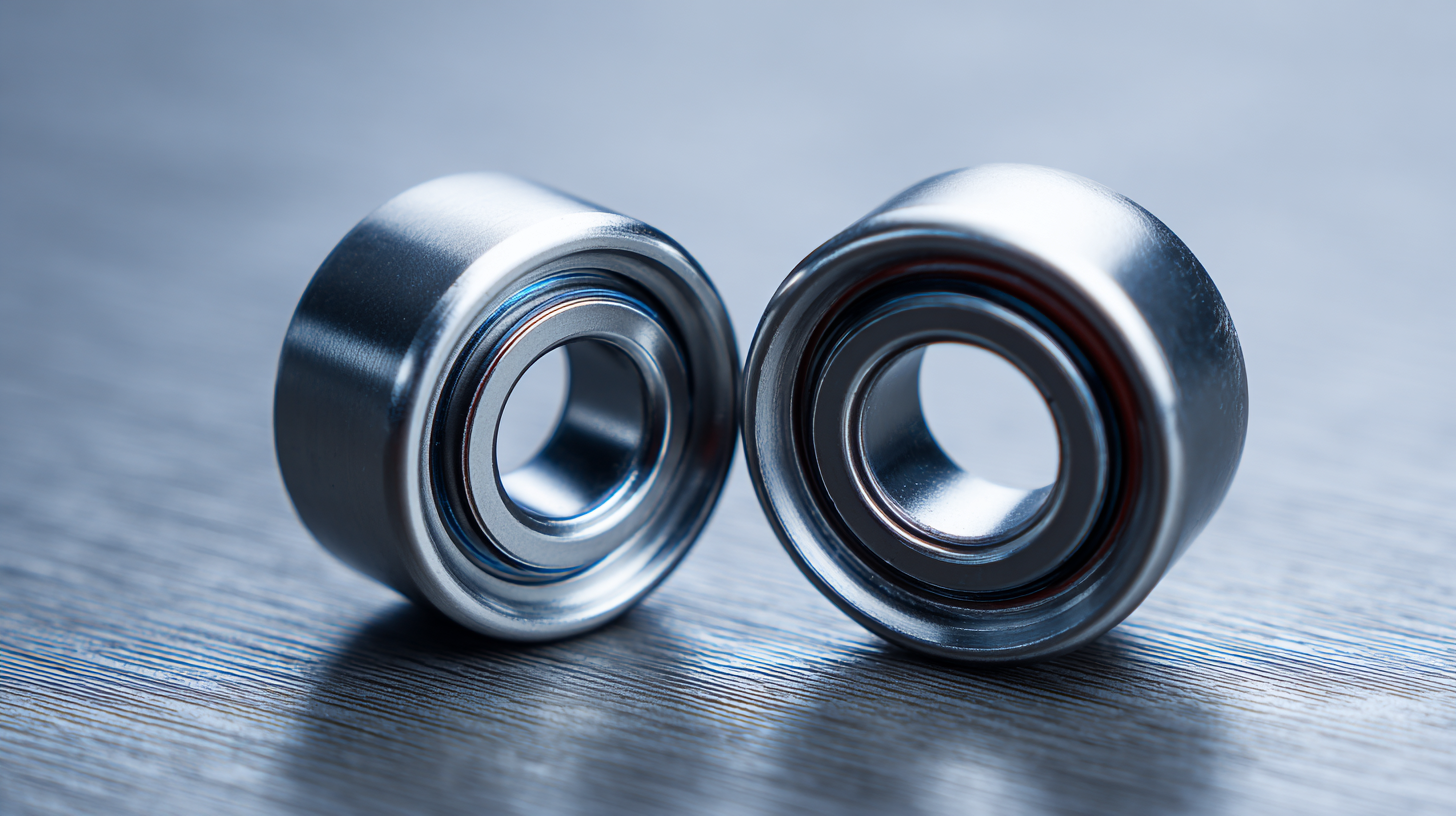
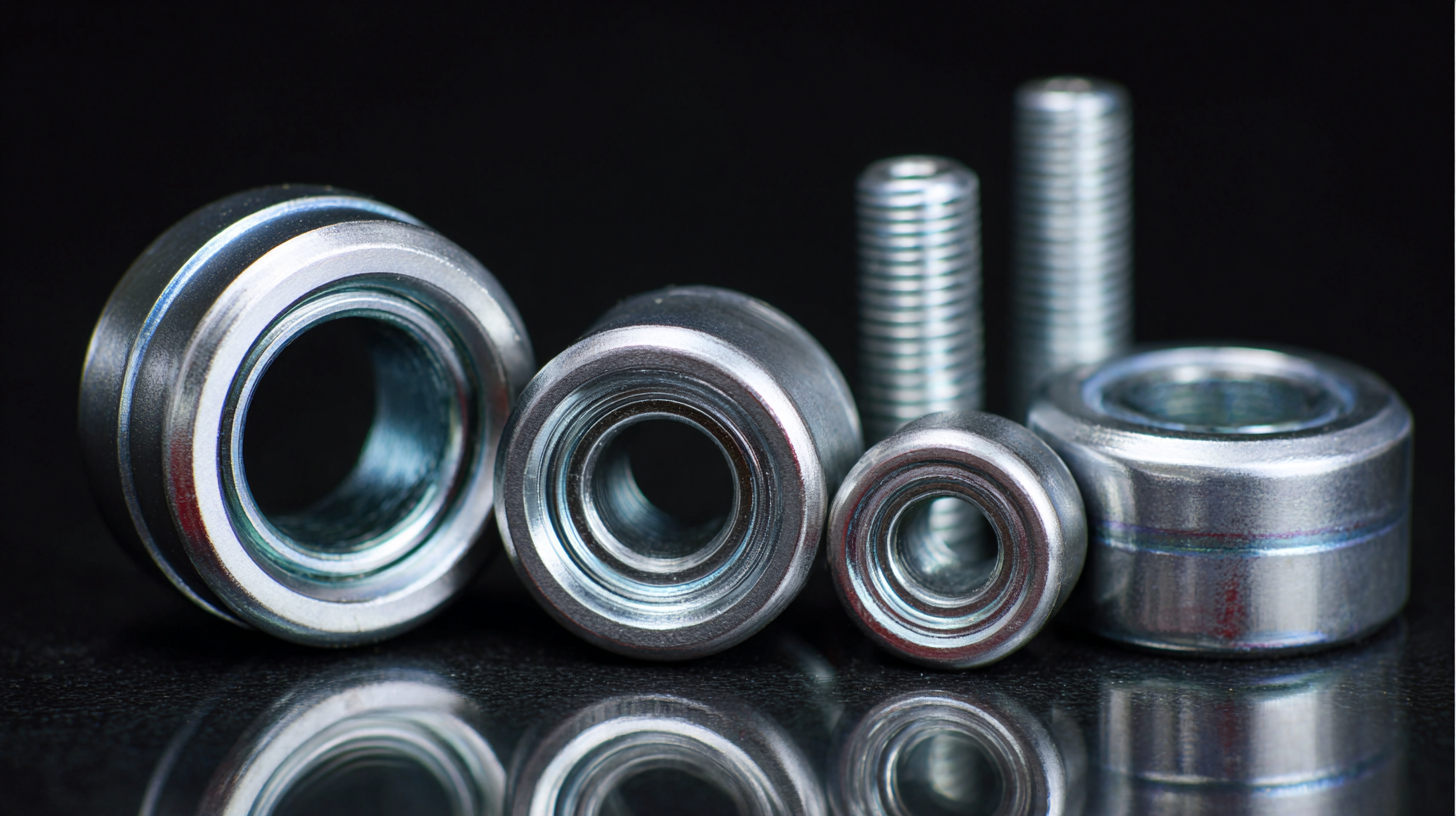
Rod end bearings, also known as heim joints, are essential components in modern machinery, playing a pivotal role in various applications. These bearings consist of a spherical plain bearing housed in a casing, which allows for rotational and angular movement. According to a report by MarketsandMarkets, the global rod end bearings market is projected to grow at a CAGR of 5.2% from 2021 to 2026, driven by rising demand in automotive and aerospace sectors. This growth can be attributed to their ability to accommodate misalignment and reduce wear in high-performance applications.
In addition to their use in automotive and aerospace, rod end bearings are widely utilized in robotics and industrial machinery. A study by Grand View Research highlights that the increasing automation of industries has led to a surge in demand for precision components, including rod end bearings. The versatility and strength of these bearings, which can withstand substantial loads while maintaining ease of movement, make them ideal for applications ranging from CNC machines to agricultural equipment. Their reliable performance not only enhances operational efficiency but also contributes to extended equipment life, ultimately delivering significant cost savings to manufacturers.
Performance Enhancement with Rod End Bearings in Modern Machinery
This chart illustrates the performance improvements achieved by using rod end bearings in various types of machinery. The data reflects efficiency, durability, load capacity, and maintenance reduction percentages based on industry standards.
Key Benefits of Utilizing Rod End Bearings in Modern Machinery
Rod end bearings, often called heim joints, are critical components in modern machinery, widely recognized for their versatile applications and performance improvements. One significant benefit of using rod end bearings is their ability to handle misalignment. In dynamic environments, where components may not always align perfectly, these bearings maintain smooth motion, reducing wear and tear on both the bearing and the connected parts. This adaptability ensures longer service life and enhanced reliability of the machinery.
Another key advantage of rod end bearings is their lightweight yet robust construction. This characteristic minimizes the overall weight of machinery, making it more efficient without compromising strength. Their design allows for high load capacities while maintaining low friction, which contributes to better energy efficiency. As a result, industries ranging from aerospace to automotive utilize rod end bearings to improve the operational performance of their equipment, ultimately leading to increased productivity and reduced maintenance costs.
Step-by-Step Guide to Selecting the Right Rod End Bearings
When selecting the right rod end bearings for your machinery, it's essential to consider several key factors to ensure optimal performance. First, assess the load requirements of your application. Rod end bearings come in various bearing materials and designs, and each type is suited for different load capacities. For heavy-duty applications, forged steel or stainless steel bearings may be appropriate, while lighter applications might benefit from aluminum or plastic options.
Another critical aspect is the range of motion needed for your application. Bearings with a spherical design allow for angular misalignment and accommodate movement in multiple directions, making them suitable for dynamic systems. Additionally, consider the environment in which the bearings will operate—factors such as temperature, humidity, and exposure to chemicals can influence material selection and durability. Lastly, review the mounting configuration and ensure compatibility with your machinery to facilitate easy installation and maintenance. By carefully evaluating these considerations, you'll select the most suitable rod end bearings that enhance the performance and reliability of your modern machinery.
Exploring the Engineering Marvel: How Rod End Bearings Enhance Performance in Modern Machinery
| Bearing Type |
Material |
Load Capacity (lbs) |
Max Speed (RPM) |
Temperature Range (°F) |
Applications |
| Angular Contact |
Steel |
1500 |
5000 |
-40 to 250 |
Automation, Robotics |
| Self-Aligning |
Aluminum |
1200 |
4000 |
-20 to 230 |
Aerospace, Automotive |
| Rod End with Seal |
Stainless Steel |
2000 |
3500 |
-40 to 300 |
Heavy Machinery, Marine |
| Polymer Rod End |
Plastic |
800 |
3000 |
-40 to 200 |
Agricultural Equipment, Conveyors |
| Bearing with Eye |
Bronze |
2500 |
2500 |
-10 to 230 |
Construction Equipment, Linkage Systems |
Maintaining and Troubleshooting Rod End Bearings for Optimal Performance
Rod end bearings are crucial components in the machinery that heavily rely on precise motion control and load distribution. To maintain optimal performance, regular inspection and maintenance are essential. This includes checking for signs of wear, such as excessive play, corrosion, or misalignment. These issues can lead to reduced efficiency and potential failure of the equipment if not addressed promptly. Lubrication is another key aspect; ensuring that the bearings are adequately lubricated helps facilitate smooth movement and minimizes friction, which can otherwise cause overheating and premature wear.
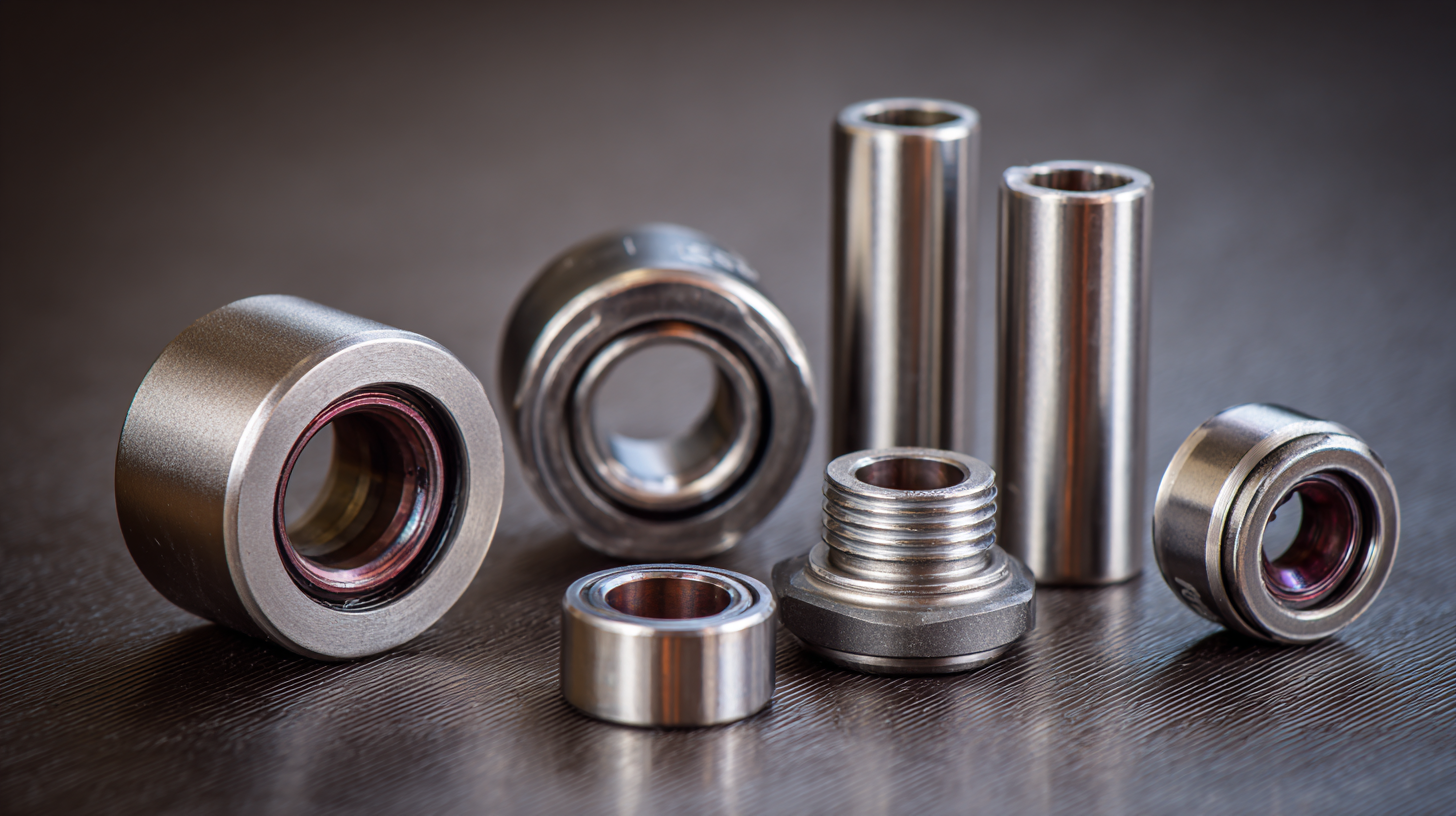
Troubleshooting rod end bearings requires a systematic approach. If a bearing is suspected to be malfunctioning, operators should first isolate the component and perform a visual inspection. Listening for unusual noises during operation can also provide clues about potential issues. If problems persist, a more thorough evaluation, including measuring tolerances and alignment, may be necessary. By proactively maintaining and troubleshooting rod end bearings, operators can ensure that machinery performs at its best, ultimately extending the lifespan of both the bearings and the equipment they support.
Innovative Trends in Rod End Bearing Technology for Future Machinery
Innovative trends in rod end bearing technology are reshaping the landscape of modern machinery, enhancing performance and reliability across various industries. These bearings, often regarded as critical components in mechanical systems, are evolving through advancements in materials and design. The introduction of advanced composites and specialized coatings is enabling manufacturers to produce lighter and more durable rod end bearings, which contribute to greater efficiency and reduced wear over time.
Furthermore, the integration of smart technologies into rod end bearing systems is paving the way for enhanced monitoring and predictive maintenance capabilities. Sensors embedded within bearings can provide real-time data on load, temperature, and stress, allowing for proactive maintenance that minimizes downtime and extends the lifespan of machinery. This innovative approach not only optimizes performance but also significantly reduces overall operational costs, making rod end bearings an essential focus for future machinery development. As industries continue to seek higher efficiency and sustainability, the ongoing evolution of rod end bearing technology is set to play a pivotal role in driving these goals forward.