5 Essential Tips for Maximizing Your Fiber Cable Performance in Digital Networks
In the rapidly evolving landscape of digital networks, the performance of fiber cable is crucial for ensuring high-speed data transmission. According to a recent report by the International Data Corporation (IDC), global IP traffic is expected to reach 4.8 zettabytes per year by 2022, with fiber optic networks increasingly vital due to their ability to handle vast amounts of bandwidth. By optimizing fiber cable performance, organizations can significantly enhance their network efficiency and reliability.
The importance of maximizing fiber cable performance is underscored by a study from MarketsandMarkets, which predicts the fiber optic cable market will grow from $5 billion in 2020 to $10 billion by 2025, highlighting the growing reliance on this technology. This article will explore five essential tips that can help you unlock the full potential of your fiber cable, ensuring your digital network can keep pace with the astounding data demands of today and the future.
Best Practices for Selecting the Right Fiber Cable for Your Network
When selecting the right fiber cable for your digital network, it’s crucial to consider both performance and compatibility with your system requirements. One of the first steps is to determine the mode of fiber you need—single-mode or multi-mode. Single-mode fibers are ideal for long-distance communication due to their low attenuation, while multi-mode fibers are perfect for shorter distances within buildings or campuses.
Another important tip is to evaluate the cable's bandwidth capabilities. High-bandwidth cables enable better data transmission rates, which are essential in today’s data-driven environment. Additionally, paying attention to the cable’s attenuation levels will ensure that signal loss is minimized, improving overall performance.
Finally, consider the physical environment where the fiber will be installed. Choose cables that have adequate resistance to environmental factors such as moisture, temperature, and physical stress. This careful selection process can greatly enhance the lasting performance and reliability of your network infrastructure.
Techniques for Reducing Signal Loss in Fiber Optic Installations
When it comes to optimizing fiber optic installations, reducing signal loss is paramount to ensure high performance in digital networks. Research from the Fiber Optic Association indicates that up to 80% of signal loss can occur at connection points due to poor splicing or inadequate connectors. To mitigate this, implementing high-quality connectors and ensuring precise splicing techniques can significantly enhance signal integrity. The use of advanced fusion splicing technology has been shown to reduce splice loss to less than 0.1 dB, highlighting the importance of investing in reliable equipment.
Additionally, proper installation practices play a crucial role in minimizing attenuation. The National Telecommunications and Information Administration (NTIA) states that bending fibers beyond their specified radius can lead to increased losses, sometimes exceeding 1 dB over a short distance. Utilizing appropriate cable routing and ensuring that the installation environment is free from physical stress can preserve the performance of fiber cables. Employing best practices and adhering to industry standards not only prevents signal degradation but also extends the lifespan of the network infrastructure.
5 Essential Tips for Maximizing Your Fiber Cable Performance in Digital Networks
| Tip |
Description |
Impact on Performance |
Best Practice |
| 1. Proper Installation |
Ensure that fiber cables are installed without excessive bends or stress. |
Reduces signal attenuation and loss. |
Follow manufacturer guidelines for bending radius. |
| 2. Use Quality Connectors |
Utilize high-quality connectors to minimize loss. |
Increases efficiency of signal transmission. |
Test connectors for insertion loss before deployment. |
| 3. Avoid Excessive Cable Length |
Long cable runs can lead to significant signal loss. |
Maintains stronger signal integrity over distance. |
Optimize route planning to shorten cable length. |
| 4. Regular Maintenance |
Periodic checks and cleaning of connectors and cables. |
Reduces chances of signal degradation over time. |
Establish a maintenance schedule. |
| 5. Monitor Ambient Conditions |
Keep an eye on temperature and humidity levels. |
Ensures optimal performance of fiber optic cables. |
Install in temperature-controlled environments. |
Strategies for Proper Fiber Cable Installation and Termination
Proper installation and termination of fiber cables are crucial to ensuring optimal performance in digital networks. Given the challenges faced in fiber optic deployment, especially in developing regions like Ghana, meticulous attention to installation practices can help mitigate issues that may lead to service disruptions. Techniques such as ensuring proper fiber alignment, minimizing bend radius during installation, and utilizing appropriate tools for termination can significantly enhance the reliability of connectivity.
Moreover, addressing the regulatory and managerial challenges associated with fiber optic networks is essential for fostering a resilient infrastructure. Engaging with local authorities and understanding regulations can smooth the deployment process, while comprehensive training for technicians on installation and termination techniques can help avoid common pitfalls. By prioritizing these strategies, stakeholders can work towards building a more robust fiber optic network that withstands potential service disruptions and ultimately supports uninterrupted internet connectivity.
Effective Monitoring Tools to Enhance Fiber Cable Performance
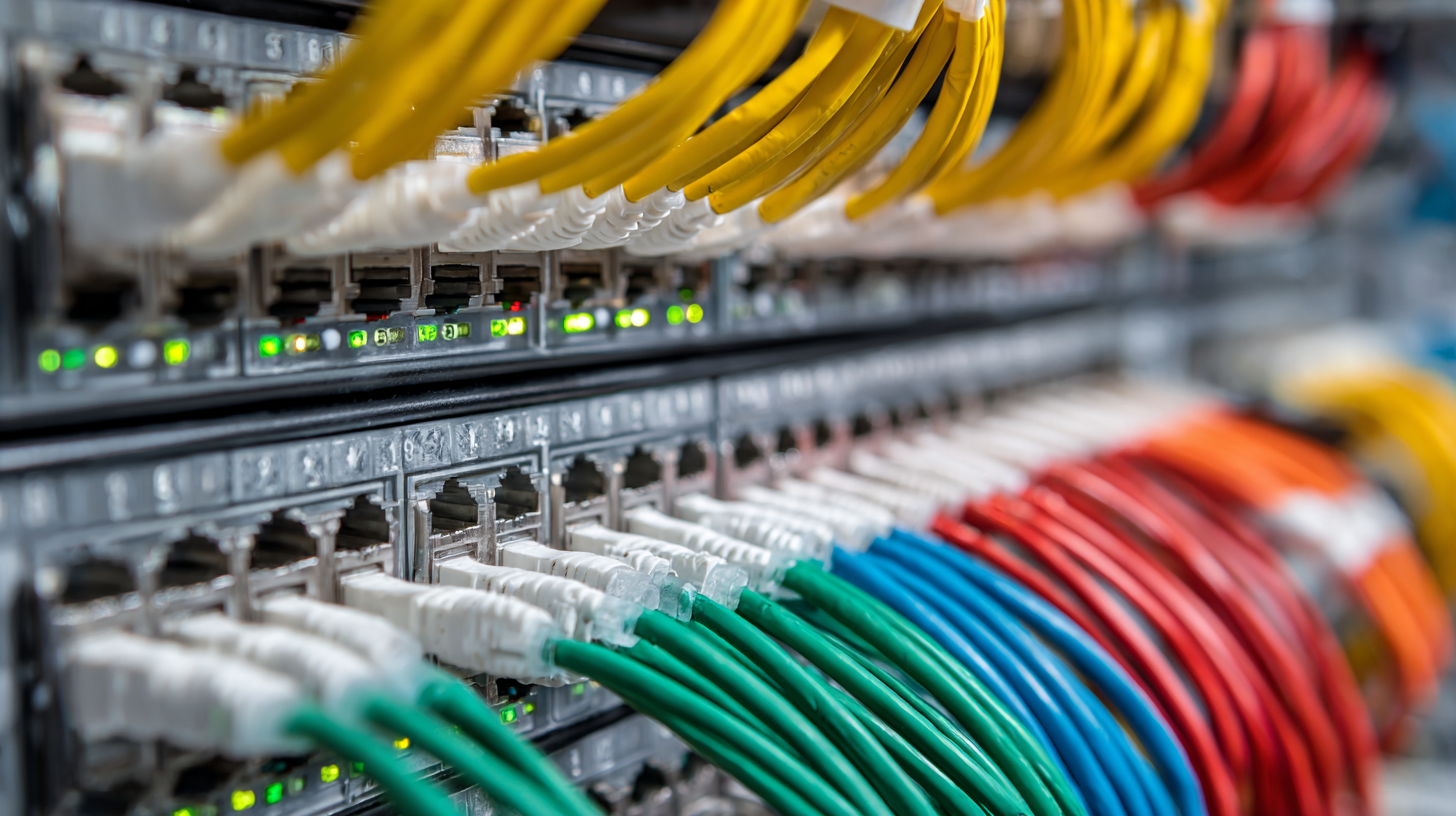
Effective monitoring tools play a crucial role in enhancing the performance of fiber optic cables in digital networks. By utilizing advanced network monitoring systems, technicians can gain real-time insights into the operational status of their fiber infrastructure. These tools help in identifying potential issues such as signal loss, degradation, or physical damage, allowing for timely maintenance that can prevent major outages. Continuous monitoring not only ensures optimal performance but also extends the lifespan of the cable systems.
In addition to detecting faults, effective monitoring tools provide valuable analytics and reporting features. With detailed data on bandwidth usage, latency, and error rates, network administrators can make informed decisions about capacity planning and resource allocation. This proactive approach enables organizations to fine-tune their network configurations, ensuring that their fiber optic systems can handle increasing data demands efficiently. Adopting such monitoring solutions can significantly enhance both the reliability and efficiency of digital networks, ultimately leading to improved user experiences.
Routine Maintenance and Upgrades for Long-Term Network Efficiency
Routine maintenance and upgrades are crucial for ensuring long-term efficiency in digital networks that rely on fiber optic cables. According to a report by the Fiber Optic Association, properly maintained fiber networks can achieve performance boosts of up to 20% compared to those that fall behind on upkeep. This improvement can translate to increased data transfer speeds and reduced latency, which are critical for applications such as cloud computing and video streaming—industries projected to reach $1 trillion by 2025 according to IDC.
Regular inspections of fiber connections and components can help identify potential issues before they result in significant downtime. A study by KMI Research revealed that proactive maintenance can diminish repair costs by as much as 30%, further emphasizing the financial benefits of consistent upkeep. Implementing scheduled upgrades, such as transitioning to newer fiber technologies or increasing bandwidth capabilities, also plays a vital role. The International Telecommunication Union has indicated that networks that frequently upgrade their infrastructure can accommodate up to 50% more traffic without compromising performance, underscoring the importance of strategic planning in network management.