What Is an LED Garden Light?
A Led Garden Light is an outdoor fixture that uses light-emitting diodes to illuminate paths, planting beds, patios, or garden features. Unlike older bulbs, LEDs use less energy for a comparable light output and can last for many operating hours. Still, efficiency alone does not make a fixture suitable for every garden. Beam direction, brightness, weather resistance, and placement all affect how useful the light feels after sunset.
Lighting designer Ingo Maurer once said, “I am not interested in light, I am interested in the effect of light.” That idea fits garden lighting well. A low fixture beside a stone path can reveal texture without shining into someone’s eyes. A narrow beam can highlight a tree trunk, while a softer wash can make a seating area feel welcoming. Small details matter. So does restraint.
This guide explains what a Led Garden Light is, how its main components work, and where different fixture types are commonly used. It also considers color temperature, power sources, installation choices, and basic maintenance. These details help readers compare products with more confidence. Yet there is no single perfect layout: wet soil, dense foliage, nearby windows, and changing seasons can all alter the result. A thoughtful design may still need adjustment. That is part of working with a living garden.
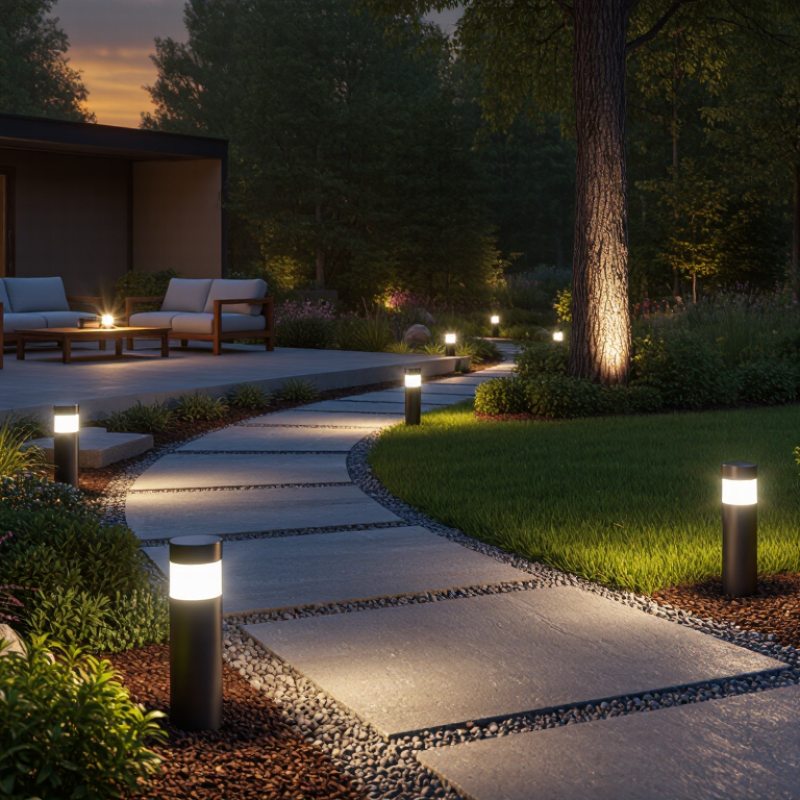
What Defines an LED Garden Light?
An LED garden light is an outdoor fixture that uses light-emitting diodes to illuminate paths, planting beds, steps, or outdoor seating. What defines it is not just the LED. Its optics direct light where it is useful, while its housing and seals help protect electrical components from rain, dust, and garden watering. Check the fixture’s stated ingress-protection rating and installation conditions; “outdoor” alone tells you little. A narrow beam can pick out a tree trunk. A broad, shielded beam can make a walkway easier to see without sending as much light into nearby windows.
Efficiency and service life are practical defining features. The U.S. Department of Energy’s LED lighting guidance says LEDs use at least 75% less energy and can last up to 25 times longer than incandescent lighting. Actual performance depends on the fixture, operating temperature, and driver quality. Look for lumen output, color temperature, beam angle, and rated life—not wattage alone. Warm light often looks gentler among leaves, while cool light can make stone appear stark. A small detail, perhaps, but noticeable at night. Solar models also depend on sunlight, battery capacity, and seasonal conditions, so their output may vary. I would not judge a garden light by its label alone. Test the beam at dusk, when glare and dark patches become clear.
How LED Garden Lights Convert Electricity into Light
What Is an LED Garden Light?
How LED Garden Lights Convert Electricity into Light
An LED garden light uses a semiconductor to turn electrical energy into visible light. Power reaches the LED through a driver, which regulates the current. Many garden fixtures receive electricity from a mains supply or a low-voltage transformer. The exact setup depends on the fixture. That small detail matters.
Inside the LED, electrical current moves through semiconductor layers. As electrons shift between energy states, they release energy as photons—the particles we see as light. The LED’s color depends partly on the materials used. Unlike an old-style filament bulb, it does not need to heat a wire until it glows. Still, some energy becomes heat, so the fixture needs a suitable path to release it. The explanation is neat; real fixtures are less tidy. Poor sealing, blocked airflow, or a failing driver can affect performance over time.
Tips: Keep the lens clear and avoid burying the fixture in leaves or soil. Check that connections stay dry and follow the maker’s installation instructions. If the light flickers, the LED itself may not be the only cause; inspect the power supply too. Not magic, just physics.
Key Components and Their Functions
What Is an LED Garden Light?
Key Components and Their Functions
An LED garden light uses a light-emitting diode to illuminate paths, beds, or outdoor seating. The LED module creates the light, while a driver regulates electrical current. A heat sink moves warmth away from the diode, helping it operate within its intended temperature range. Small details matter. A lens or reflector directs the beam, so a path light can illuminate the ground without shining straight into someone’s eyes. The housing protects these parts from weather and accidental knocks.
Power may come from outdoor wiring, a rechargeable battery, or a small solar panel. Solar models also need a controller to manage charging and battery use. A dusk sensor can switch the light on as daylight fades; a motion sensor responds to movement instead. In practice, diagrams make these parts look simple, but poor placement or blocked sunlight can affect performance. That’s easy to overlook.
Tips: Check the fixture’s outdoor-use rating and keep lenses clear of dirt. For solar lights, place the panel where it receives useful daylight, not beneath dense leaves. If the light flickers or dims, inspect the battery, connections, and sensor before assuming the LED has failed. Minor wiring issues can be tricky to spot, so follow the manufacturer’s installation instructions or ask a qualified professional.
Common Types and Garden Applications
LED garden lights are outdoor fixtures that use light-emitting diodes to illuminate paths, planting beds, and gathering areas. Their low energy use and long service life make them practical for routine garden lighting. Still, performance depends on placement, weather protection, and suitable brightness.
Common types serve different jobs. Path lights cast a downward pool over walkways, helping reveal uneven paving without lighting the whole yard. Spotlights can highlight a tree trunk, stone feature, or entrance; aim them carefully to avoid glare. Bollard lights offer broader, low-level illumination along driveways or borders. String lights create a softer atmosphere on pergolas and patios, though they are less useful for seeing steps clearly. Solar models are easy to install where sunlight reaches the panel. Shaded gardens may need wired or rechargeable options instead.
Match the fixture to the task. Use warm, modest light near seating, and brighter, shielded beams where people walk after dark. Keep lights out of direct eye level, and test the layout at night before fixing everything in place. Small changes matter. A fixture that looks subtle in daylight can feel harsh beside a dark hedge. Plants grow, too, and today’s neat beam may be blocked next season. Review the arrangement occasionally; gardens rarely stay still.
Factors That Affect Performance and Lifespan
What Is an LED Garden Light?
Factors That Affect Performance and Lifespan
An LED garden light uses a semiconductor to produce light with relatively little energy. Its real-world performance depends on more than the LED chip. Heat, moisture, power quality, and placement all matter. Small details count.
Heat is a common source of gradual decline. When a fixture cannot release warmth through its housing, light output may fade faster, and its driver can fail early. Keep plants and mulch clear of ventilation openings. A shaded spot can help, but a sealed, poorly designed fixture may still trap heat. Not always obvious.
Moisture resistance also shapes service life. Check that seals and cable entries are intact, especially where rain or irrigation reaches the light. In solar models, battery capacity and winter sunlight affect how long the light runs each night. Dirty panels can reduce charging, while dusty lenses soften the beam. Clean them gently. Avoid harsh abrasives.
Placement affects useful brightness. A low fixture aimed into leaves may create glare and uneven shadows, even if its output looks strong on paper. Match the beam angle to paths, beds, or steps, and use the recommended power supply. Regular checks help reveal loose connections or damaged seals. I would not assume every rated lifespan fits every garden; climate and installation conditions vary.