What are Digital Solar Bus Stops at the 139th Canton Fair?
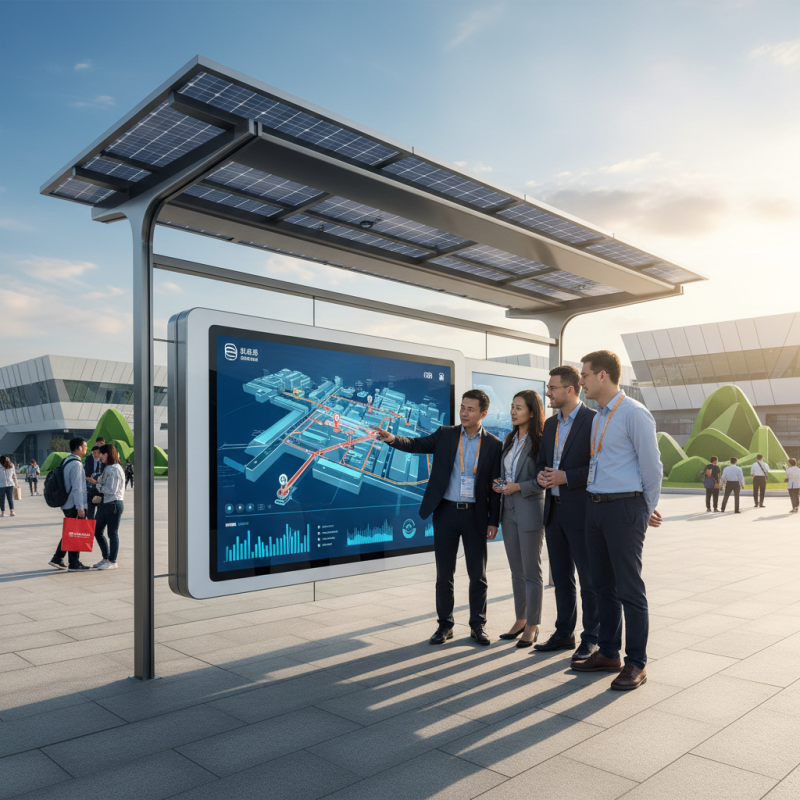
At the 139th Canton Fair, the introduction of Digital solar bus stops marks a significant leap in urban infrastructure. These smart bus stops are designed to enhance the public transportation experience by offering real-time information and sustainability. They harness solar energy, making them eco-friendly while providing essential services to commuters. This innovation reflects a growing trend toward integrating technology with green solutions in urban settings.
The Digital Solar Bus Stops will not only display arrival times but also feature interactive screens. These screens can guide users to various destinations within the fairgrounds. A traveler can easily find their way among the 1.55 million square meters of exhibition space. This feature is crucial, especially during busy events like the Canton Fair, where efficiency is key.
Despite these advancements, concerns remain. The effectiveness of these bus stops relies on consistent solar energy and uninterrupted connectivity. It raises questions about maintenance and reliability. As we embrace these innovations, reflections on their long-term impact on urban life are essential. Digital Solar Bus Stops represent progress, but challenges must be addressed for them to succeed.
What are Digital Solar Bus Stops?
Digital solar bus stops are an innovative solution for urban transport. These stops harness solar energy to power various features and enhance the user experience. They often include digital screens that display real-time bus arrival information. This feature greatly improves passenger convenience. For users, waiting at a bus stop becomes more manageable with instant updates.
Beyond the digital displays, these solar bus stops sometimes offer Wi-Fi connectivity. This can be a much-appreciated amenity, especially in busy areas. However, not all stops have consistent signal strength. This inconsistency is an area for improvement and reflection. Another characteristic is the use of eco-friendly materials. While many stops incorporate sustainable design, not all prioritize durability.
Over time, wear and tear can diminish their effectiveness. Concerns do arise regarding maintenance and functionality. Some stops may not be regularly maintained, which leads to issues. For example, broken screens or ineffective solar panels can undermine the system's reliability. It's crucial for cities to address these challenges. Ultimately, digital solar bus stops offer promising advantages. With some adjustments and careful planning, they have the potential to transform public transportation in urban settings.
Key Features of Digital Solar Bus Stops
Digital Solar Bus Stops at the 139th Canton Fair showcase innovative urban solutions. These stops integrate solar technology for energy efficiency. They provide real-time bus schedules. Passengers can easily access information through digital screens. This is not just practical; it enhances the travel experience.
One interesting feature is the ability to charge mobile devices. Users can find USB ports at these stops. This small detail makes a big difference. However, there are areas for improvement. Some digital screens faced visibility issues under direct sunlight. This could affect usability for passengers.
Community feedback is essential for refinement. Users might want more seating areas. Additional shade would enhance comfort. Overall, digital solar bus stops represent a significant step toward sustainable urban transit, yet they must evolve based on user experiences and needs.
Benefits of Implementing Digital Solar Bus Stops
Digital solar bus stops are transforming urban transport, especially showcased at the 139th Canton Fair. These innovative stops harness solar energy, offering sustainable solutions for the future. Benefits abound, making them an attractive option for city planners.
One significant advantage is reduced carbon footprints. According to a recent industry report, implementing solar technology can decrease greenhouse gas emissions by up to 30%. This reduction not only aids the environment but also aligns with global sustainability goals. Additionally, these bus stops can provide real-time information. Passengers receive updates on arrival times and service changes directly through digital displays. Cities can enhance public transport efficiency this way.
Tips for cities considering this technology include prioritizing locations with high foot traffic. Visibility ensures greater usage. Regular maintenance is crucial too; neglect can lead to malfunctions. Data suggests that 25% of digital installations fail due to inadequate upkeep. It's vital to learn from these statistics. Cities should also involve the community in planning phases, ensuring the stops meet user needs effectively. Engaging with local residents can lead to innovative approaches and foster greater acceptance.
Technological Innovations Behind Digital Solar Bus Stops
Digital solar bus stops are an innovative response to urban transportation needs. These installations harness solar energy, reducing reliance on the grid. They feature integrated digital screens providing real-time updates, enhancing commuter experience. Passengers can check arrival times and service alerts with just a glance.
Behind the technology, solar panels convert sunlight into electricity, powering the displays and built-in lighting. This creates a sustainable solution for public transport. Yet, the implementation of these bus stops doesn’t come without challenges. Maintenance of solar panels and technology updates require consistent effort and funding. Furthermore, some locations may face issues with sunlight exposure, affecting their efficiency.
The design of these bus stops is not without flaws. They often take up public space that can be better utilized. Furthermore, user interface design can be overwhelming to some. Simplicity is key; too much information can confuse, rather than help. Balancing innovation with practicality is essential for the success of these digital solar bus stops.
What are Digital Solar Bus Stops at the 139th Canton Fair? - Technological Innovations Behind Digital Solar Bus Stops
| Feature | Description | Benefits | Sustainability Impact |
| Solar Power | Powered by solar panels, providing clean energy to operate various features. | Reduces carbon footprint and operational costs. | Promotes the use of renewable energy sources. |
| Digital Displays | Displays real-time bus arrival information and advertisements. | Enhances user experience and promotes local businesses. | Encourages public transport use, reducing traffic congestion. |
| Wi-Fi Connectivity | Offers free Wi-Fi for passengers waiting at the stops. | Increases convenience for users, making public transport more attractive. | Supports smart city initiatives by enhancing connectivity. |
| Smart Sensors | Equipped with sensors that detect passenger loads and environmental conditions. | Facilitates better service planning and resource allocation. | Improves efficiency of public transport operations. |
| Eco-friendly Materials | Constructed using recyclable and sustainable materials. | Minimizes environmental impact during manufacturing. | Supports sustainability goals in urban infrastructure. |
Impact of Digital Solar Bus Stops on Urban Transportation
Digital solar bus stops are a significant innovation in urban transportation. These structures harness solar energy to power digital displays, providing real-time information. Passengers can check arrival times, schedule changes, and route information conveniently. This technology enhances the waiting experience by offering essential updates.
However, the impact of digital solar bus stops extends beyond convenience. They encourage public transit usage, reducing reliance on cars. This shift can lower congestion and improve air quality. In cities facing severe pollution, such measures are crucial. Yet, there are questions about maintenance and reliability. What happens during cloudy weather? Are the solar panels effective year-round? These concerns need addressing as cities adopt this technology.
Moreover, integrating such stops requires careful planning. Urban design must consider the placement and accessibility of these stops. Inadequate locations may frustrate users, leading to lower adoption rates. The balance between innovation and practicality remains a challenge. Cities must evaluate both benefits and hurdles as they embrace digital solar solutions.