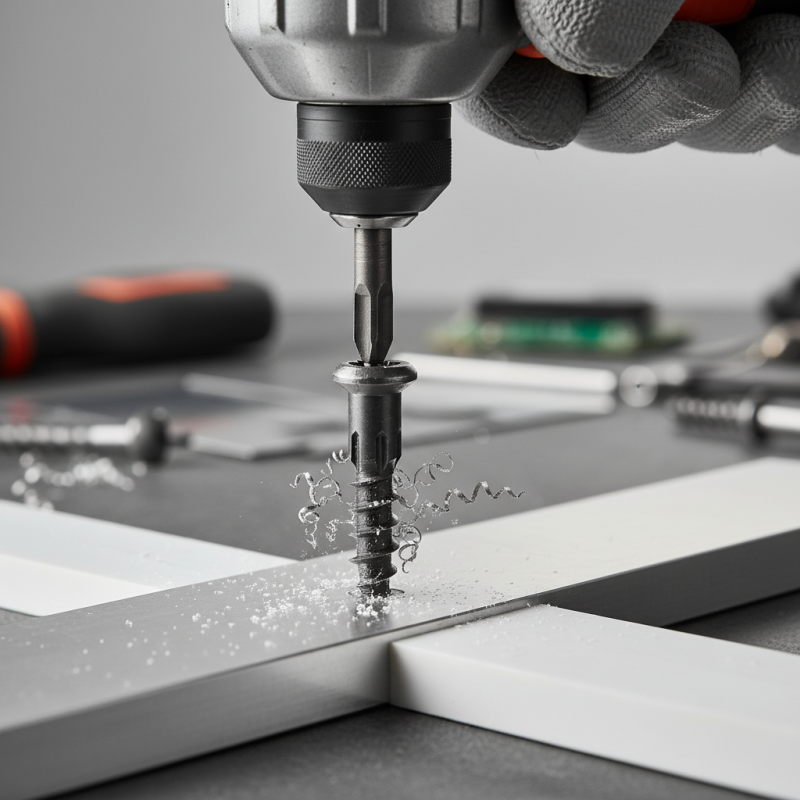
What is Cross Tapping Screws and How Are They Used?
cross tapping screws are a vital component in various construction and manufacturing processes. They feature a unique design that allows them to create their own threads in materials. This is particularly useful when working with thin metals or plastics. The efficiency of cross tapping screws makes them a popular choice among professionals.
Understanding cross tapping screws requires a grasp of their application. These screws are often used in assembling machinery, electronics, and furniture. Their ability to ensure a tight fit is essential. While they save time and effort, improper use can lead to issues like stripping or misalignment.
In the journey of mastering cross tapping screws, one must consider best practices. While they offer convenience, care is needed during installation. Over-torquing can damage both the screw and the material. Therefore, proper technique is crucial for achieving reliable results.
Definition of Cross Tapping Screws and Their Characteristics
Cross tapping screws, a specialized type of fastener, have unique characteristics that set them apart from traditional screws. They feature a dual-thread design, which allows them to tap into materials while providing a secure hold. This makes them ideal for use in thin or soft materials, where standard screws may struggle to create a strong connection.
One notable trait of cross tapping screws is their ability to cut their own threads. This reduces the need for pre-drilling, saving both time and effort. They can be easily inserted into various materials, such as metal, wood, and plastic, making them versatile. However, using them improperly can lead to stripped threads or structural weaknesses. Understanding the material properties is crucial when selecting the appropriate screw type for the task.
The head design of cross tapping screws often incorporates a cross slot, enabling improved torque application. This feature allows for better grip with standard screwdrivers. Choosing the right size is also essential; too large a screw can cause material damage. Mistakes in selection can lead to inefficient fastening. Proper usage and selection help ensure reliable connections in various applications.
Types of Cross Tapping Screws and Their Applications
Cross tapping screws are specialized fasteners designed for specific applications in various industries. They are known for their ability to create their own threads in materials, allowing for secure attachment without pre-drilling. The three main types of cross tapping screws are: standard, self-tapping, and dual-purpose screws. Standard screws offer basic thread engagement, while self-tapping screws can penetrate harder materials more effectively. Dual-purpose screws combine the features of both, making them versatile for different projects.
In construction and manufacturing sectors, cross tapping screws are essential. They are frequently used in metal-to-metal and plastic-to-metal applications. According to a recent industry report, the demand for cross tapping screws is projected to increase by 5% annually through 2025. Understanding the right type of screw for your material is crucial. For example, improperly selecting a screw can lead to stripped threads or weakened joints.
Tips: Always consider the material thickness before choosing a screw type. Lubricating the screws can help ease installation and minimize wear. Regularly evaluate the performance of screws in critical applications to ensure safety and reliability. Consistent maintenance can save time and resources in the long run.
How to Properly Install Cross Tapping Screws
Installing cross tapping screws requires precision and the right technique. Begin by selecting a power drill with the appropriate screw bit. Ensure your workspace is clean and well-lit. Misalignment can lead to stripped threads or even damaging the material. It’s crucial to hold the screw straight when starting. A crooked angle may cause issues.
Before drilling, pre-drill pilot holes if the material allows. This step is essential for avoiding stress on the screw and the surrounding area. Use the correct drill size; it should match the screw diameter. After setting the screw in place, apply steady pressure while driving it in. Too much force can cause the screw to break or the head to strip, rendering it ineffective.
Monitor the depth of insertion. The screw should sit flush with the surface. If it sinks too deep, it can weaken the material. Inspect your work after installation. Occasionally, you may need to adjust screws that do not feel secure. Reflecting on the process can help improve future installations.
Usage Frequency of Cross Tapping Screws in Various Applications
Advantages of Using Cross Tapping Screws Over Other Fasteners
Cross tapping screws are a type of fastener designed for use in thin materials. Their unique thread design allows them to create their own mating threads when installed. This feature is particularly beneficial in applications where access to the reverse side of a material is limited. According to the National Fasteners Association, cross tapping screws reduce the need for nuts or washers, enhancing installation efficiency for many engineers.
One significant advantage of cross tapping screws is their ability to create strong joints without the risk of stripping. Research suggests that these screws can maintain holding power even under dynamic loads. They offer better resistance to vibration compared to standard screws. This reliability is essential in industries like automotive and aerospace, where fasteners endure extreme conditions. A study by the Fastener Technology International magazine highlighted that cross tapping screws can reduce installation time by up to 30%.
The use of cross tapping screws can sometimes lead to unnoticed issues. Misalignment during installation can affect joint integrity. Additionally, when used in less suitable materials, their performance may not meet expectations. Engineers must evaluate material properties before selecting these screws. This awareness fosters informed decisions, ensuring optimal results in fastener applications.
Common Industries and Projects Utilizing Cross Tapping Screws
Cross tapping screws are essential in various industries. These screws enable secure fastening and adaptability in materials. Their unique design allows them to tap threads into thin sheets and plastic. This versatility is vital for reducing assembly time and improving efficiency.
The automotive industry extensively utilizes cross tapping screws. According to a report by the International Trade Administration, about 70% of automotive components rely on such fasteners. Their use not only streamlines assembly but also enhances safety. Additionally, the electronics sector has seen a surge in cross tapping screw adoption. Over 65% of electronic enclosures utilize these screws for their effectiveness in compact spaces.
Projects in construction also benefit from cross tapping screws. These fasteners provide critical support in joining structures made from varied materials. However, challenges arise when working with dissimilar materials. Proper torque settings become crucial to avoid stripping threads. Maintaining the right approach in choosing and applying these screws ensures project success.