How to Choose the Right Isolation Switch for Your Needs?
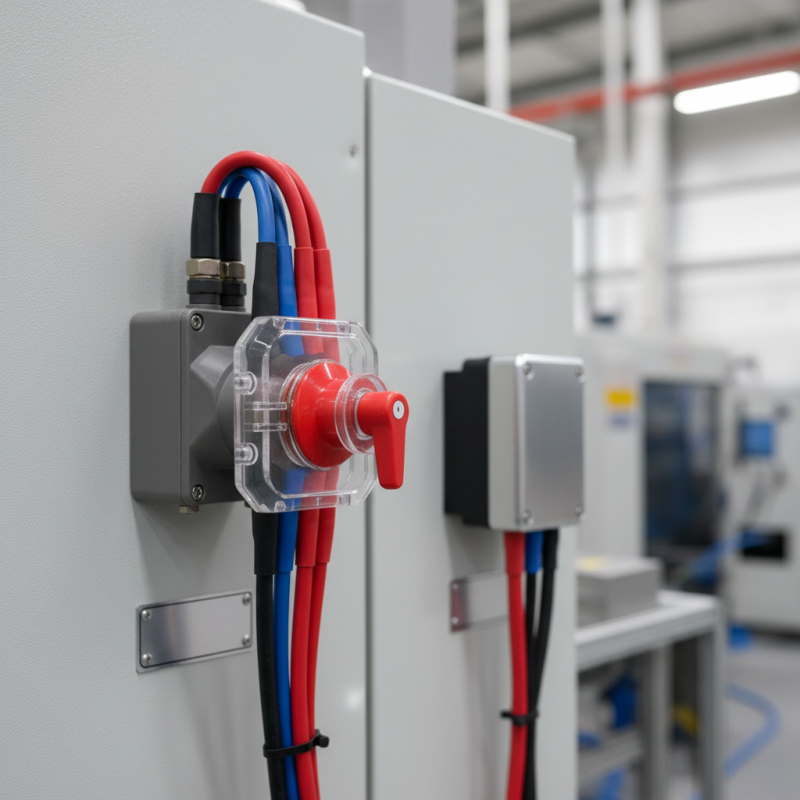
Choosing the right Isolation Switch can be crucial for electrical safety. An Isolation Switch is designed to disconnect power, protecting equipment and personnel. This decision isn't always straightforward.
Consider the specific requirements of your application. Different settings may require different types of Isolation Switches. Voltage ratings, amperage, and environmental conditions all play a role. You must evaluate whether to use manual or motorized switches. Each offers distinct benefits and drawbacks.
Moreover, some may overlook the importance of installation space. A proper fit is essential; an ill-fitted switch can lead to operational issues. Take time to assess your options carefully, balancing safety and functionality. Remember, compromising on quality for cost can lead to regrets later. Ultimately, the right Isolation Switch should enhance safety and efficiency in your operations.
Understanding the Purpose of an Isolation Switch
Isolation switches play a critical role in electrical systems. They are designed to prevent accidental energization during maintenance. Understanding their purpose is essential for selecting the right one.
An isolation switch allows you to safely disconnect electrical equipment. This is particularly important in industrial settings. Workers must perform their tasks without the risk of electrical shock. A properly chosen switch gives peace of mind. However, not every switch fits every situation. Misjudging the requirements can lead to safety hazards.
It's vital to consider the voltage and current ratings. Also, think about the environment. Will it be used indoors or outdoors? Exposure to dust or moisture can affect performance. Not every switch can handle extreme conditions. Reflection on these factors can prevent future issues. Sometimes, you may realize that the switch you initially chose wasn't ideal. It's a learning process.
How to Choose the Right Isolation Switch for Your Needs? - Understanding the Purpose of an Isolation Switch
| Criterion | Description | Why It Matters |
| Type of Load | The nature of the electrical load being isolated (resistive, inductive, capacitive) | Different loads require different handling to ensure safety and efficiency. |
| Voltage Rating | The maximum voltage that the switch can safely handle | Choosing a switch with the correct voltage rating prevents electrical hazards. |
| Current Rating | The maximum current the switch can carry continuously | Overloading a switch can lead to failure or dangerous conditions. |
| Mounting Type | How the switch is physically installed (panel-mounted, surface-mounted) | Installation space and access for operation or maintenance are crucial considerations. |
| Emergency Operation | Should the switch be operable in an emergency situation? | Ensures quick disconnection of power in emergencies to protect personnel. |
| Operating Environment | Location considerations, such as indoor vs outdoor, temperature, and humidity | Environmental factors can affect switch performance and lifespan. |
Types of Isolation Switches Available in the Market
Isolation switches come in various types, each designed for specific applications. These switches can be classified into several categories, including rotary switches, plug-and-socket switches, and manual isolators. Rotary switches are popular in industrial settings. They allow for easy operation and provide clear visual cues for on and off positions. According to industry reports, around 50% of manufacturing facilities opt for rotary isolation switches due to their reliability.
Plug-and-socket types are frequently used in temporary setups. They provide flexibility for maintenance and repair work. However, it's essential to ensure proper ratings and compatibility. A recent study indicated that improper use of these switches can lead to safety hazards in 15% of cases. Manual isolators are also available, often used in electrical installations for residential and commercial purposes. They provide an extra layer of safety during maintenance.
Choosing the right isolation switch requires careful consideration. Factors like voltage ratings and application environments must be assessed. Not all switches are suitable for harsh conditions. A survey revealed that 40% of users faced issues with switch durability under extreme conditions. Make sure to evaluate the environment where the switch will be installed. Ignoring this aspect can lead to costly failures or unsafe scenarios.
Factors to Consider When Selecting an Isolation Switch
Choosing the right isolation switch is essential for maintaining safety in electrical systems. When selecting an isolation switch, consider the voltage and current ratings. These specifications are crucial. They ensure the switch can handle the maximum load without overheating. A mismatch can lead to dangerous situations.
Another important factor is the environment where the switch will be installed. Outdoor settings require switches that are weather-resistant. Meanwhile, indoor switches might need different protection levels. Think about dust, moisture, and other factors that can impact performance.
Don’t overlook the installation process. Some switches may require specialized tools or skills. If you're not experienced, it could lead to complications later. Always check for compatibility with your existing system. A wrong choice here can result in failure or inefficiencies. Therefore, take your time to research before making a final decision.
Installation and Maintenance Tips for Isolation Switches
When installing isolation switches, proper placement is crucial. Choose a location that is easily accessible for both operation and maintenance. It should be clear of obstacles. Regular inspection is needed to ensure reliability. Look for signs of wear or damage that may affect performance.
Maintaining isolation switches involves cleaning and checking connections regularly. Dust and moisture can cause issues. A simple wipe down can prevent many problems. Test the switch periodically to ensure it engages and disengages smoothly. Note any irregularities during testing. These may indicate larger issues. It’s important to not overlook the small details.
Document all maintenance activities. Keep track of when inspections occur and what was found. This information is valuable for understanding trends in wear and tear. Reflect on each maintenance session to identify potential improvements. This can lead to more efficient operation and longer lifespan for your isolation switch.
Isolation Switch Usage Comparison
This chart illustrates the percentage usage of isolation switches across different sectors, highlighting the importance of choosing the right switch for your specific needs.
Common Applications and Use Cases of Isolation Switches
Isolation switches are crucial in various applications, serving to disconnect electrical circuits safely. They ensure that maintenance can be performed with minimal risk. In industrial settings, they are often found on machinery. This helps in preventing accidental energization during repairs. The need for safety is paramount.
In residential applications, isolation switches are commonly used in solar power systems. They allow homeowners to turn off their solar panels when needed. It's essential to select switches rated for the specific voltage and current. An improperly rated switch can lead to failures. The placement of these switches should also be considered. They must be easily accessible for quick operation.
Another area where isolation switches excel is in commercial setups, such as offices or retail spaces. Here, they can isolate lighting circuits or HVAC systems. This can aid in energy savings, but one mistake can cause inconvenience. Users should also reflect on the user's experience with these switches. Are they easy to operate? Are there signs of wear over time? Addressing these questions can enhance safety and functionality.