How to Choose the Best Marking Machine for Your Business?
Selecting the right marking machine for your business can be daunting. According to John Smith, a renowned expert in the marking industry, “Choosing the right marking machine can define your operational success.” His perspective highlights the importance of informed decisions in this area.
A marking machine is essential for various applications, from product labeling to industrial use. Businesses must consider multiple factors when choosing one. These factors include speed, precision, and material compatibility. Each application may require a different type of marking machine, which can complicate the decision-making process.
Understanding your needs is critical. Reflect on your production goals and the specifics of your products. Do thorough research to compare models and specifications. This can save time and money in the long run. A wrong choice can lead to inefficient operations and wasted resources. Balancing features and budget is key. Investing a little extra in quality may offer better reliability.
Understanding Different Types of Marking Machines Available in the Market
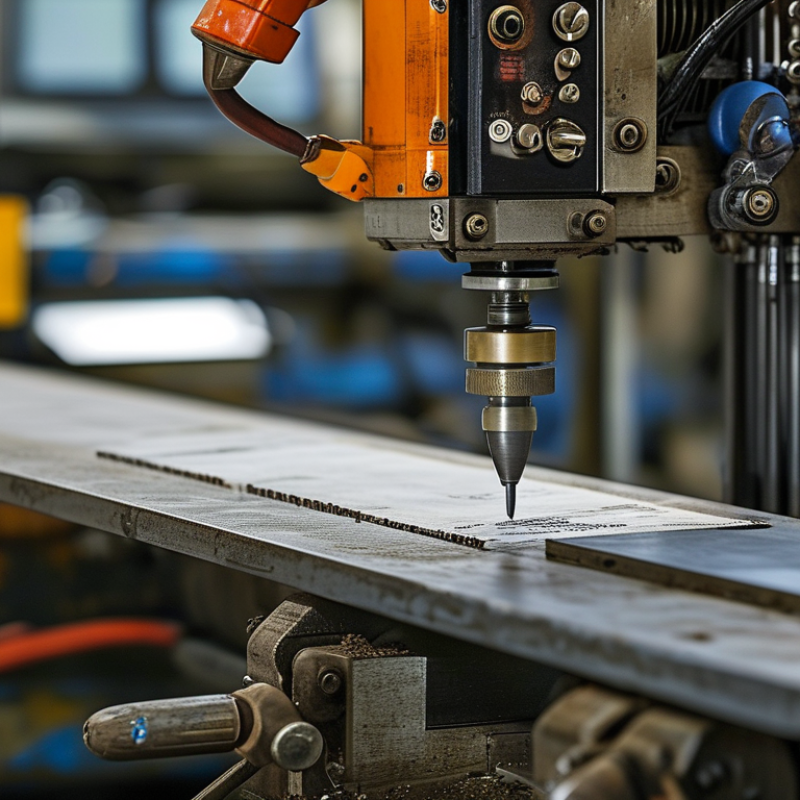
When selecting a marking machine, understanding the various types available is crucial. There are laser marking machines, which use focused beams of light to engrave or etch materials. These are excellent for precise and intricate designs. Alternatively, inkjet marking machines apply liquid ink onto surfaces. They offer flexibility and speed, making them suitable for high-volume production.
Another option is dot peen marking machines, which create marks by striking a surface with a hard tip. This method is particularly useful for hard materials, ensuring durable marks. Each type has its strengths, so it's vital to assess your specific needs and the materials you work with.
Considering your production environment is equally important. Some machines require more maintenance than others. Reflect on the long-term costs, too. Investing in a marking machine is a significant decision. Evaluate how the machine will impact your workflow. Each type has its risks and benefits; understanding these is essential for making an informed choice.
Evaluating the Specific Needs of Your Business for Marking Solutions
When selecting a marking machine, it's vital to evaluate your business's specific needs. Consider the materials you work with. Different machines are designed for wood, metal, or plastic. If you frequently switch between materials, invest in a versatile machine. Costs should also be factored in. A higher price tag does not always guarantee better quality. Research options thoroughly to find cost-effective solutions that meet your requirements.
Tips: Identify your marking volume. Are you marking small batches or large quantities? This influences machine type. High-volume needs might require faster machines. In contrast, low-volume businesses might find slower machines more sufficient.
Also, think about your workspace. Some machines need significant space and ventilation. If your facility is limited, opt for compact models. Compatibility with existing tools is essential too. Ensure your new machine can seamlessly integrate into your current workflow without excessive modifications. Reflect on these factors as you decide.
Key Features to Look for When Selecting a Marking Machine
When selecting a marking machine for your business, focus on essential features that meet your requirements. Consider the machine's versatility. It should be able to handle different materials. Look for machines that can mark metals, plastics, and ceramics effectively. This flexibility will enhance your production capabilities.
Another important aspect is speed. Evaluate the marking speed of the machine. Faster machines can streamline your production process. However, ensure that speed doesn't compromise quality. Always check the resolution and clarity of the outputs. A high-quality mark can enhance product branding.
Tips for choosing the right marking machine include assessing the ease of use. A user-friendly interface will reduce training time. Also, consider the maintenance requirements. Machines that are easy to maintain can save time and money in the long run. Don’t overlook after-sales service when making your decision. Ensure that reliable support is available post-purchase.
Comparing Costs and Budgeting for Your Marking Machine Investment
When selecting a marking machine, budgeting is crucial. Different machines come with varying price tags, and it's essential to conduct thorough research. Look at additional costs, such as maintenance and consumables. Often, the initial purchase price is just the beginning.
Tips: Consider your production volume. A high-output machine may be more cost-effective in the long run. Analyze your needs carefully. Sometimes, a lower-capacity machine could fit your workflow better.
Remember, it's important to factor in training costs. Operators must be skilled to use the machine efficiently. Allocate funds for this, as improper use can lead to errors and increased costs. Explore financing options that suit your budget. Some vendors offer payment plans to ease the financial burden.
Evaluate the long-term investment of the marking machine. Would a higher initial cost save money over time with increased efficiency? This question requires careful thought. Be prepared to adjust your budget based on these insights. A well-planned investment will pay off in product quality and time savings.
Assessing After-Sales Support and Maintenance Options for Marking Machines
When choosing a marking machine, after-sales support is crucial. Reliable support can save you time and money. Consider a vendor who offers comprehensive warranty options. A solid warranty reflects the manufacturer's confidence in their product. This can be an assurance of quality and durability.
Maintenance options are just as important. Regular upkeep ensures the machine operates at its best. Look for suppliers who provide easy access to spare parts. Quick availability of parts can minimize downtime. A vendor's service response time is also vital. Slow responses can lead to significant production delays.
Don't ignore customer feedback on after-sales service. Reviews can provide insights into potential issues. Some vendors may offer extensive manuals or training sessions, which can enhance user experience. However, assess if these resources are practical for your team's needs. Balancing quality and affordability in after-sales support can be challenging yet rewarding.