How to Choose the Best Aluminum Foil Winding Equipment?
Choosing the right aluminum foil winding equipment is crucial for any manufacturing operation. The right equipment impacts efficiency, product quality, and overall production costs. However, the vast array of options available can make decision-making complex. It is essential to consider specific needs and applications.
When selecting aluminum foil winding equipment, focus on the specifications that align with your production goals. Different machines may cater to varying thicknesses and winding techniques. Understanding the technical parameters can help prevent costly mistakes. Additionally, assess the reliability of the manufacturer. Trusted brands often offer better support and warranty options.
While technical details are important, user experience should not be overlooked. Seek out feedback from current users of the equipment. Their insights can provide a deeper understanding of potential challenges. The perfect choice may not exist, and every option has its limitations. A thorough evaluation of your unique requirements and constraints will lead to a more informed decision.
Understanding Aluminum Foil Winding Equipment: An Overview
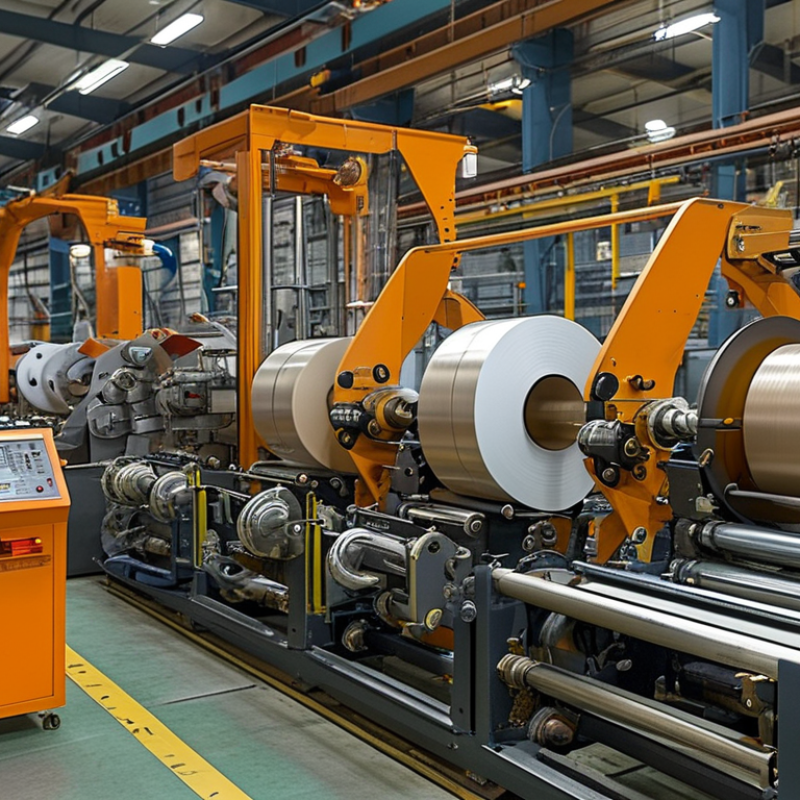
When considering aluminum foil winding equipment, it is vital to understand its components and functionalities. This equipment is primarily used for creating aluminum foil coils. These coils are essential in various industries, including food packaging and electrical components. The machinery must provide precise winding to ensure uniformity. It plays a role in maintaining the foil's integrity.
Different models offer various features. Some may include automatic cutting systems while others focus on speed. Understanding the specific needs of your operation will guide you in choosing equipment that fits seamlessly. For instance, the tension control system is key in maintaining quality. Reflecting on past machine performance can highlight areas needing improvement. Efficiency often leads to higher production rates, but this can create challenges in quality control.
Choosing the right equipment should involve evaluating not just technical specifications but also after-sales support. Working with a knowledgeable supplier can make a significant difference. Consider the training needed for your staff as well. A well-informed team can operate the machinery effectively, avoiding common pitfalls. This delicate balance of efficiency and quality requires careful planning and continuous learning.
Key Specifications to Consider for Optimal Performance
Choosing aluminum foil winding equipment requires careful consideration of key specifications. Key specifications may include winding speed, tension control, and spool size. Each of these elements plays a vital role in ensuring high-quality production and operational efficiency.
When assessing winding speed, it is important to align it with production rates. Too high a speed can lead to inconsistencies, while too low may prolong lead times. Tension control is another critical aspect. Proper tension is essential to prevent foil tearing or wrinkling during the winding process. This balance needs careful evaluation to meet specific production needs.
For optimal performance, consider spool size and compatibility. Ensure the equipment can accommodate the required dimensions for the intended applications. This affects both efficiency and ease of use. A well-sized spool can improve workflow and limit downtime due to equipment adjustments.
It is also wise to engage with experienced users or industry experts. They can provide insights into the practical aspects of equipment performance. Their feedback may reveal potential issues not immediately evident during initial assessments. Regular maintenance and operator training enhance equipment longevity and performance. This consideration should not be overlooked in the selection process.
Comparison of Aluminum Foil Winding Equipment Performance
Evaluating Manufacturer Reputation and Customer Reviews
When choosing aluminum foil winding equipment, evaluating the manufacturer's reputation is crucial. A strong reputation often indicates reliability and quality. Look for manufacturers with a history of successful products and satisfied customers. Check online forums and industry networks for insights. Real user experiences can reveal both strengths and weaknesses in equipment performance.
Customer reviews provide a wealth of information. Many reviews discuss ease of use, efficiency, and durability. It's important to pay attention to recurring themes in feedback. Consistent issues may indicate underlying problems with the equipment. Don’t just rely on five-star ratings. Look for detailed comments that explain why users rated the product as they did. This depth of understanding is essential.
Be cautious of overly positive reviews. Generic praises can be a red flag. Consider independent reviews from unbiased sources to gain a clearer picture. Asking for demonstrations or testimonials from existing users can be beneficial. Gathering this information helps in making an informed decision, ultimately leading to a more successful investment.
Assessing Automation Features and Process Efficiency
When selecting aluminum foil winding equipment, assessing automation features is crucial. Automated systems can significantly enhance process efficiency. These systems reduce the need for manual labor. They also minimize human error, ensuring consistent product quality. For instance, automated tension control can adjust the winding process in real-time. This results in fewer defects and better utilization of materials.
However, it’s important to consider the degree of automation that suits your production needs. Not every operation requires a fully automated setup. Investing in advanced technology may lead to overengineering. Sometimes, a semi-automated system might suffice, balancing cost and efficiency. Regular evaluation of your equipment can reveal opportunities for improvement.
Monitoring process efficiency is essential to optimizing production. Efficiency metrics, such as output rates and downtime, should be analyzed regularly. Low efficiency may highlight areas needing attention. For example, jams or inconsistencies can arise unexpectedly. Identifying and addressing these issues promptly is vital. Engage your team in discussions about potential improvements. Their insights can lead to meaningful changes.
How to Choose the Best Aluminum Foil Winding Equipment? - Assessing Automation Features and Process Efficiency
| Feature | Description | Importance Level | Efficiency Rating (1-10) |
| Automation Capability | Degree to which the equipment automates the winding process, reducing manual labor. | High | 9 |
| Speed | The rate at which the equipment can wind aluminum foil, measured in meters per minute. | Medium | 8 |
| Precision | Accuracy in maintaining necessary tension and thickness during winding. | High | 10 |
| User Interface | Ease of use and accessibility of the control panel for operators. | Medium | 7 |
| Maintenance Frequency | How often the machinery requires scheduled maintenance to operate efficiently. | Low | 6 |
| Energy Efficiency | Amount of energy consumed during operation relative to output. | High | 8 |
| Safety Features | Built-in safety mechanisms to protect users and equipment. | High | 9 |
Cost-Benefit Analysis: Investment in Quality vs. Budget Options
When considering aluminum foil winding equipment, the cost-benefit analysis is crucial. Investing in quality equipment often yields greater long-term savings, reducing production downtime. According to industry reports, high-quality machines can last up to 20% longer than budget options, which often require more frequent repairs and replacements. This increased durability can translate into lower operational costs.
Cost-efficiency isn't just about the upfront price. Quality equipment usually operates with fewer issues, leading to saved labor costs. Some studies indicate that businesses experience a 15-30% increase in productivity with reliable equipment. However, budget options may seem appealing. Yet, hidden costs can arise from inefficiencies and lower performance rates.
Finding the right balance is essential. Here are a few considerations: Look for warranties and service agreements that can shield you from unexpected expenses. Evaluate the machine's energy efficiency; poor energy use can escalate operational costs. Lastly, gather testimonials from other users; real-world feedback can illuminate potential downsides of cheaper alternatives. Invest wisely to ensure performance and longevity.