

Engineer's Toolbox Visit www.hansarobotics.com

Category Banner

7 Tips for Choosing an Electrical Switchgear Box

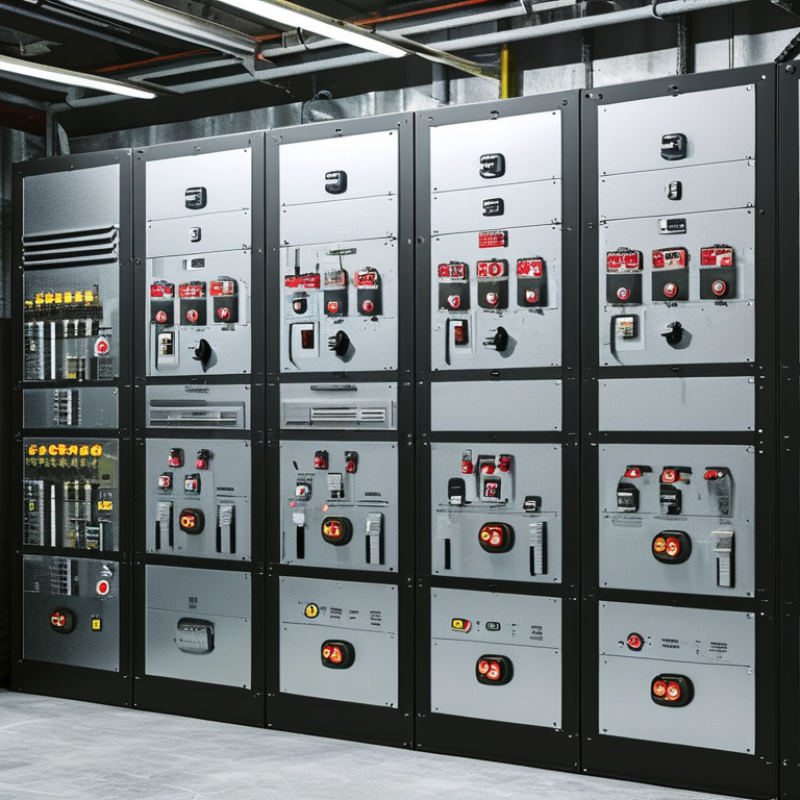
Choosing an Electrical Switchgear Box is not a simple matter of selecting a metal enclosure from a product list. The box must protect switching equipment, wiring, and people from heat, moisture, dust, and accidental contact. A reliable choice begins with the installation environment. Indoor plant rooms, coastal facilities, construction sites, and outdoor substations create very different demands.

This guide presents seven practical tips based on common engineering checks and field experience. It examines enclosure material, voltage and current ratings, protection levels, heat management, installation space, maintenance access, and supplier reliability. Small details matter. A poorly sealed cable entry can admit water. Limited clearance can make routine testing unsafe. A dark enclosure under direct sunlight may also develop unexpected internal heat. Qualified professionals should verify the design against equipment specifications and applicable local requirements.

Good decisions require more than a familiar brand name. They require evidence, careful measurement, and honest review of operating conditions. Even experienced teams can overlook future expansion or forget how difficult a crowded cabinet becomes after several years. That weakness deserves attention. A useful checklist helps, but it cannot replace professional judgment or documented testing. By comparing these seven factors, facility owners and engineers can reduce installation problems, support safer maintenance, and select an Electrical Switchgear Box that remains dependable throughout its service life. The right choice may cost more initially. It can prevent costly failures later.
7 Tips for Choosing an Electrical Switchgear Box

Understanding Electrical Switchgear Box Functions and Applications

7 Tips for Choosing an Electrical Switchgear Box

An electrical switchgear box controls, protects, and isolates circuits within a power distribution system. Its main devices may include circuit breakers, disconnectors, fuses, busbars, and monitoring instruments. When a fault occurs, the box should interrupt current quickly and limit equipment damage. It also provides a visible isolation point during maintenance. Small detail, major consequence.

Applications vary widely. Commercial buildings often use switchgear boxes for floor distribution and emergency power transfer. Factories need stronger assemblies for motors, process lines, and high fault currents. Solar installations may require direct-current protection, while outdoor sites demand weather-resistant enclosures. In field inspections, I check cable entry points carefully because moisture often enters there, not through the main door.

Choosing the right box requires more than matching voltage and current ratings. Confirm short-circuit withstand capacity, enclosure protection, ventilation, clearances, and available maintenance space. Consider future circuits too; a completely full box may create costly modifications later. Equipment should follow applicable electrical codes and recognized assembly standards, with test records and clear labeling supplied. Qualified personnel must verify installation, grounding, torque settings, and protective coordination. An overlooked thermal calculation can be serious. Even experienced teams sometimes underestimate heat from tightly packed components, so measured temperature checks are worth adding before regular operation.

7 Tips for Choosing an Electrical Switchgear Box - Understanding Electrical Switchgear Box Functions and Applications

Tip Selection Dimension What to Check Typical Technical Reference Relevant Function or Application
1 Define the System Voltage Confirm the nominal voltage, insulation level, frequency, and number of phases before selecting the enclosure and internal devices. Low-voltage assemblies are generally used up to 1,000 V AC or 1,500 V DC. Medium-voltage equipment is commonly used above these limits, subject to applicable standards. Ensures safe insulation coordination and compatibility with distribution panels, motor-control centers, transformers, and utility supplies.
2 Calculate Current Capacity Consider continuous load current, motor starting current, diversity, ambient temperature, conductor size, and future expansion. The rated current of the busbar and main device must be at least equal to the design load current after applying the relevant derating factors. Supports reliable power distribution while reducing overheating, nuisance tripping, and premature component aging.
3 Verify Short-Circuit Withstand Determine the prospective short-circuit current at the installation point and compare it with the assembly's short-time and peak withstand ratings. The short-circuit rating must not be lower than the available fault current. The exact value depends on the transformer, utility source, cable impedance, and protection scheme. Provides protection against thermal and mechanical damage during faults and helps coordinate circuit breakers and fuses.
4 Choose the Correct Enclosure Rating Assess dust, water, corrosion, impact, UV exposure, humidity, and indoor or outdoor installation conditions. Ingress protection levels are selected according to the installation environment. For example, IP54 provides protection against limited dust ingress and water spray from all directions; the exact protection depends on certified construction. Protects breakers, busbars, meters, terminals, and control equipment in factories, commercial buildings, infrastructure, and outdoor installations.
5 Match the Protection and Switching Functions Identify whether the box requires circuit breakers, fuses, isolators, residual-current protection, surge protection, metering, or motor-control components. Protection functions should be selected according to load type, fault risks, grounding system, coordination requirements, and local electrical codes. Enables isolation, overload protection, short-circuit interruption, earth-leakage protection, monitoring, and controlled power distribution.
6 Evaluate Thermal Management Review heat generated by breakers, busbars, variable-frequency drives, transformers, and control equipment, together with ambient temperature and ventilation. Internal temperature rise must remain within the limits specified by the applicable assembly standard and component manufacturer. Reduces hot spots and improves service life, particularly in compact panels, high-load distribution boards, and motor-control applications.
7 Confirm Compliance, Maintainability, and Expansion Space Check applicable standards, test documentation, wiring access, labeling, cable entry, lockout provisions, service clearance, and spare capacity. Common reference frameworks include IEC 61439 for low-voltage switchgear and controlgear assemblies, IEC 62271 for high-voltage switchgear, and local electrical installation codes. Improves inspection, safe maintenance, troubleshooting, commissioning, and future circuit additions.
Important Design Note: Final ratings and construction details should be verified by a qualified electrical professional using the project load calculation, fault-current study, environmental conditions, applicable standards, and local regulations.

Assessing Voltage, Current, and System Capacity Requirements

7 Tips for Choosing an Electrical Switchgear Box

Assessing Voltage, Current, and System Capacity Requirements

Choosing an electrical switchgear box starts with the system’s actual demand, not a guessed label. Record nominal voltage, phase arrangement, fault level, and operating frequency from approved drawings. Then verify them at the installation point. Small discrepancies matter. A 400-volt system and a 415-volt enclosure may not be interchangeable without engineering review. Check insulation ratings against continuous voltage and transient conditions. Moisture, dust, heat, and altitude can reduce practical performance. A cabinet beside a hot process line may need additional derating.

Current assessment requires more than reading the largest motor nameplate. List continuous loads, intermittent loads, starting currents, and planned additions. Calculate demand using documented duty cycles and applicable electrical codes. Select busbars, breakers, terminals, and conductors for load, temperature, and grouping effects. Do not treat the main rating as spare capacity. It may hide a weak connection downstream. A thermal scan during commissioning can reveal loose joints or unexpected heating. Keep evidence. Record torque values, test results, and calibrated meter details.

System capacity also includes short-circuit withstand, enclosure space, ventilation, and protective-device coordination. Confirm available fault current with the utility or a qualified engineer. Interrupting and short-time ratings must exceed that value. Leave room for cable bending and safe maintenance. Crowded boxes invite mistakes. Recheck calculations when loads change; early assumptions are not always correct. Local rules and installation instructions govern final selection. A licensed electrical professional should verify, test, and energize the equipment.

7 Tips for Choosing an Electrical Switchgear Box

Assessing Voltage, Current, and System Capacity Requirements

The chart shows representative continuous-current ratings commonly used across several IEC voltage classes. When selecting a switchgear box, verify the nominal system voltage, calculated full-load current, available fault current, short-time withstand rating, enclosure conditions, and future capacity requirements. Final equipment selection must be confirmed through a load calculation and short-circuit study.

Choosing Suitable Enclosure Materials and Environmental Protection

Choosing Suitable Enclosure Materials and Environmental Protection

A switchgear box must match its environment, not just its electrical load. In field inspections, I have seen painted steel enclosures rust around scratched door edges. Outdoor installations need weather-resistant materials, sealed seams, and protected cable entries. Stainless steel, coated steel, and reinforced polymers each perform differently. Stainless steel handles moisture well, while coated steel can offer strong mechanical protection at a lower cost. Polymers resist corrosion, but some become brittle under intense sunlight or low temperatures.

Check the enclosure’s IP rating against dust and water exposure. An IP65 rating may suit a dusty outdoor area, but standing water can demand stronger protection. Never treat an IP rating as permanent. Damaged gaskets, loose hinges, and poorly fitted glands reduce real protection. Small gaps matter.

Temperature deserves equal attention. Dark boxes can become surprisingly hot in direct sun. Heat may shorten component life, while condensation can damage terminals during cold nights. Use sunshades, ventilation, heaters, or drainage features when the site requires them. Follow applicable electrical codes and enclosure standards, then verify the design at the actual installation location.

I once approved a box that looked robust on paper but lacked enough working space. That decision made maintenance awkward. A better review considers tools, gloves, cable bending, grounding, and future inspection access. No enclosure choice is perfect. Recheck assumptions before production.

Checking Safety Standards, Protection Features, and Installation Needs

7 Tips for Choosing an Electrical Switchgear Box

Safety standards should guide the selection, not appear as paperwork after purchase. IEC 61439 requires verified design and routine tests for low-voltage switchgear assemblies. Ask for test records, temperature-rise data, short-circuit withstand ratings, and clear identification of the tested configuration. A box marked with a familiar standard may still be unsuitable for your fault level. Check carefully.

Protection features must match the environment and electrical risks. IEC 60529 defines IP ratings for protection against dust and water, but the rating applies only to the tested assembly. Consider overload protection, short-circuit interruption, earth-leakage protection, surge protection, and arc-flash risk. NFPA’s Home Structure Fires report estimated 26,100 electrical distribution and lighting equipment fires annually in the United States from 2015 to 2019. That figure makes enclosure design more than a cosmetic decision. Small detail, major risk.

Installation needs are often underestimated. Confirm rated voltage, current, prospective fault current, cable-entry direction, ventilation, working clearance, and maintenance access. Outdoor installations may need UV-resistant materials, drainage, and corrosion protection. Indoor boxes still require suitable ambient-temperature limits. In field reviews, I have seen excellent equipment installed where doors could not fully open. The design looked correct on paper. It was not practical. Ask installers to review cable bending space, gland positions, lifting access, and future circuit expansion before ordering. A 10% spare capacity allowance is not universal, but it can prevent rushed modifications later.

Comparing Maintenance Access, Reliability, and Long-Term Value

7 Tips for Choosing an Electrical Switchgear Box

A switchgear box should make maintenance safer, not merely contain electrical parts. Check whether technicians can reach terminals, fuses, and cable entries without removing nearby equipment. Wide doors help. Clear working space matters more. Look for captive fasteners, durable hinges, internal lighting options, and labels that remain readable after years of cleaning. Ask how inspection will happen during a rainy morning or an urgent shutdown. That question often exposes weak designs.

Reliability starts with the enclosure’s environment. Confirm its ingress protection, corrosion resistance, temperature range, and ventilation method. A sealed box may protect against dust, but trapped heat can shorten component life. Select correctly rated busbars, insulation, grounding points, and short-circuit protection. Verify test documents against applicable electrical standards and local codes. Do not rely on a sales sheet alone. Request drawings, routine test records, and material details. Small omissions become expensive later.

Long-term value includes labor, spare parts, energy loss, and future expansion. Leave practical cable space, but avoid paying for an oversized cabinet that complicates installation. Choose components with documented service support and stable replacement availability. Standardized parts usually reduce downtime. I once saw a low-cost enclosure require two technicians for a simple inspection because its door opened against a wall. The purchase price looked attractive. The maintenance bill did not. Review access with an electrician before ordering. A perfect choice is unlikely; a well-questioned one is safer.