How to Choose the Best Safety Padlock for Your Needs?
Choosing the best Safety Padlock is crucial for ensuring security in various environments. The industrial sector reports that 30% of workplace injuries involve inadequate lockout/tagout procedures. A reliable Safety Padlock can significantly mitigate these risks. It is important to note that not all padlocks are equally effective. With numerous options available, understanding their unique features can help prevent costly accidents.
In the competitive market, safety is paramount. The American National Standards Institute (ANSI) has established guidelines for padlocks used in hazardous situations. Finding a padlock that meets these standards boosts confidence in workplace safety. This is vital, as employing inferior locking mechanisms can lead to devastating consequences. Evaluating materials, size, and mechanisms is essential when selecting a Safety Padlock.
Reflecting on personal experiences can further guide your choice. Many have faced challenges due to overlooked details, such as weather resistance or key control systems. It is clear that a thoughtful selection process improves safety outcomes. Ultimately, the right Safety Padlock can make a substantial difference in protecting both people and assets.
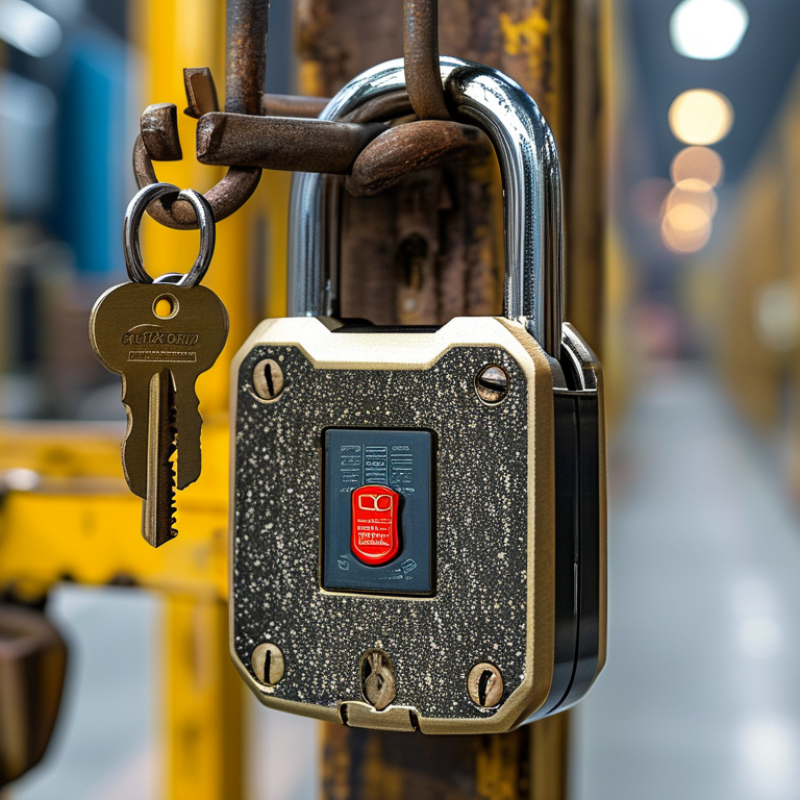
Understanding the Different Types of Safety Padlocks Available in the Market
When selecting a safety padlock, it's crucial to understand the various types available. Each type serves distinct purposes and is designed for specific environments. You can find keyed padlocks, combination locks, and even smart locks. Keyed padlocks require a physical key, which can be lost easily. Combination locks can be more convenient, but codes can be forgotten. Smart locks offer high tech features, but they depend on batteries and connectivity.
Consider the material and design of the padlock. Some locks are made of hardened steel, providing robust protection. Others might have weatherproof features for outdoor use. The inner mechanism also matters. A lock with complex pins can deter picking attempts. Remember, the more secure the lock, the harder it may be to operate smoothly.
Ignoring these factors can lead to unnecessary frustration. If you choose a lock that's too complicated, you might end up locked out more than you'd like. It's essential to reflect on your specific needs before purchasing. Think about where you'll use the padlock and the level of security required. A thorough understanding of these elements will help you make a better decision.
Key Features to Consider When Selecting a Safety Padlock
Choosing the best safety padlock requires careful consideration of key features. First, think about the material. Many padlocks are made from steel or brass. Steel offers superior strength, while brass is resistant to corrosion. You want a lock that can resist tampering and the elements.
Security ratings are crucial. Look for locks certified by recognized standards. A good rating indicates the padlock can withstand various attack methods. Additionally, consider the shackle thickness; thicker shackles are harder to cut. A 10mm thick shackle is significantly more secure than one that is 6mm.
Tip: Always check the weather resistance, especially for outdoor use. Some locks are better suited for harsh environments. Examine the locking mechanism too. A keyless option may be convenient but can also be vulnerable to hacking.
Don’t overlook the size. The padlock should not only fit your locking needs but also the items you are securing. A too-large padlock may be cumbersome, while a small one may not provide adequate security.
Tip: Test the lock before purchase. Ensure it operates smoothly and fits within your intended application. Your safety depends on these details.
Evaluating the Security Ratings and Certifications of Padlocks
Choosing the right safety padlock can be daunting with numerous options available. Evaluating the security ratings and certifications is crucial. The American National Standards Institute (ANSI) provides a grading system for padlocks, ranging from grades 1 to 3. Grade 1 locks offer the highest security, ideal for critical areas. According to a report by the Lock Manufacturers Association, up to 80% of padlocks fail to meet basic security standards. Thus, understanding these ratings can save you from vulnerabilities.
Certifications also play an essential role in determining a padlock's reliability. Locks certified by Underwriters Laboratories (UL) undergo rigorous testing. The UL 437 standard evaluates resistance to various forms of attack. Locks that pass this test are deemed reliable for high-risk applications. Statistics show that certified padlocks deter 30% more break-ins compared to non-certified ones. While exploring your options, reflect on the security needs of your environment. Not every facility requires the highest grade lock, but knowing the certification can impact your decision significantly.
Assessing Material Durability and Weather Resistance in Padlocks
When assessing padlocks, material durability is crucial. Steel is a common choice, known for its strength. However, not all steel is the same. Stainless steel offers resistance to rust and corrosion, making it ideal for outdoor use. A coated padlock can also resist moisture, providing an extra layer of protection. Look closely at the padlock’s build for indicators of quality. Thicker shanks can deter cutting, while robust internal mechanisms usually signify reliability.
Weather resistance goes hand in hand with durability. In environments exposed to rain, snow, or extreme temperatures, a padlock must withstand these elements. Some padlocks even use advanced seals to prevent water ingress. Nonetheless, it’s essential to remember that excessive moisture can damage any padlock over time. Regular maintenance and inspection will allow you to identify early signs of wear or rust. Prioritize a padlock that suits your specific climate and usage needs to ensure longevity.
How to Choose the Best Safety Padlock for Your Needs? - Assessing Material Durability and Weather Resistance in Padlocks
| Padlock Type | Material | Durability Rating (Years) | Weather Resistance | Price Range (USD) |
| Heavy-Duty Padlock | Steel | 10+ | High | 30 - 50 |
| Marine Padlock | Brass | 8 | Very High | 20 - 40 |
| High-Security Padlock | Hardened Steel | 12+ | Moderate | 50 - 100 |
| Standard Padlock | Aluminum | 5 | Low | 10 - 20 |
| Electric Lock | Composite | 7 | High | 100 - 200 |
Best Practices for Maintaining and Storing Safety Padlocks for Longevity
Maintaining safety padlocks is essential for their longevity. Regular inspection can prevent unexpected failures. Check for rust or corrosion, which can compromise security. Cleaning the lock occasionally with a soft cloth keeps it functioning well. Ensure that the locking mechanism moves smoothly.
Proper storage is equally important. Padlocks should be kept in a dry, cool place. Humidity can damage the internal components. Consider a case or container to protect them from dust and moisture. Align padlocks in a way that prevents scratching. This simple step extends their life. Reflect on your usage habits. If you frequently access a particular lock, keep it more accessible.
Always follow best practices, but remember that mistakes happen. A padlock might malfunction right when you need it. Regular maintenance should include testing the key or combination regularly. Knowing how to handle unexpected issues can save you time and frustration later.