

Engineer's Toolbox Visit www.hansarobotics.com

Category Banner

China Top 10 Band Sealer Manufacturers for Global Buyers

Choosing a Band Sealer is not just a matter of comparing prices. For global buyers, dependable sealing depends on the product, film type, package size, line speed, and working environment. A pouch of fine powder may need different settings from a bag of dried fruit. Even small details matter: belt alignment, temperature stability, and whether operators can clean the machine without lengthy delays.

This guide uses an illustrative expert voice, not a sourced quotation: packaging-equipment specialist Alex Mercer offers this practical reminder, “A reliable seal begins with a machine matched to the package—not with the fastest speed on the specification sheet.” It is a useful principle, though no single specification can predict performance in every factory. Buyers should request clear technical data, operating videos, sample tests, and written warranty terms. Ask how replacement belts and heating elements are sourced, too.

The manufacturers featured here are considered through practical buyer concerns, including machine configuration, customization, service access, and export communication. Their capabilities can vary by model and order, so verify claims directly before purchase. Look closely at the details. A polished brochure cannot show every adjustment an operator makes during a long shift. This comparison aims to help readers ask better questions, identify trade-offs, and choose a Band Sealer suited to real production needs. One point may be easy to miss: a lower purchase price can bring extra setup or maintenance work. The right choice is rarely perfect. It should, however, fit the task.
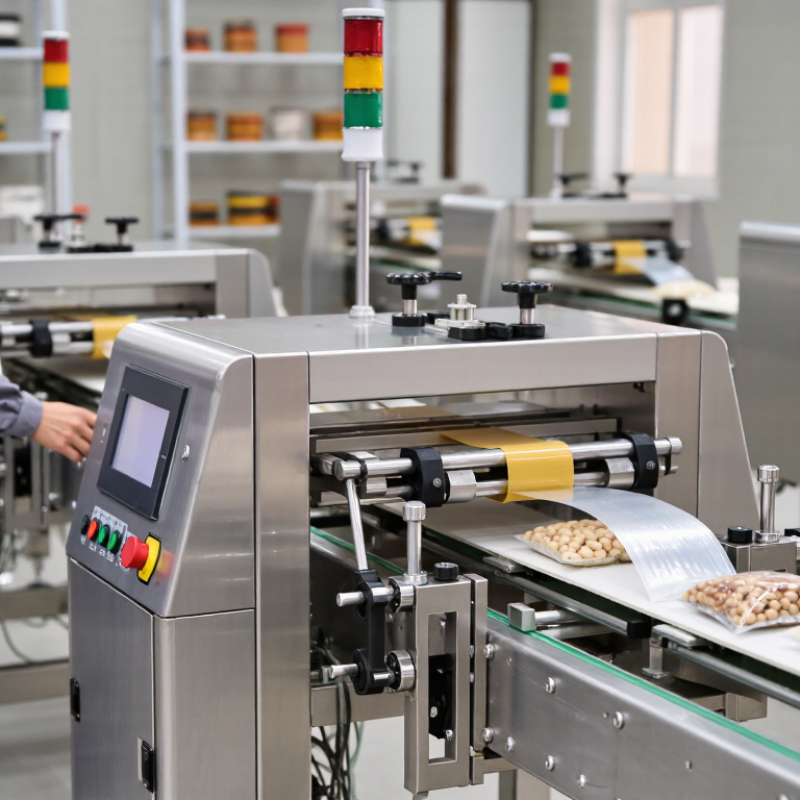
China Top 10 Band Sealer Manufacturers for Global Buyers

How Band Sealers Work and Their Main Industrial Applications

Band sealers move filled bags between heated belts, which press the open edges together. Inside the machine, temperature-controlled blocks warm the belt, while pressure and travel speed help form a continuous seam. Some models add cooling belts after heating, giving the seal time to set before the package is handled. Small changes matter. A fast line may need higher heat or pressure, but excessive heat can wrinkle film or weaken a laminate. Operators should test the actual packaging material, not rely only on a dial setting.

These machines are used for pouches containing dry foods, powders, household goods, and components, as well as liners and other flexible packages. On a packaging line, a conveyor guides each bag through the sealing head; an operator checks alignment, seal width, and occasional sample strength. For thicker or moisture-sensitive films, dwell time and temperature often need adjustment. Keep the belt clean. Residue can cause uneven contact, and a seam that looks smooth may still leak. That point is easy to miss. Routine checks of belt wear, temperature accuracy, and seal consistency help reduce rejects, though they cannot replace material-specific validation. In practice, setup takes patience, and early samples are not always representative.

Criteria for Selecting China’s Leading Band Sealer Manufacturers

Selecting a Chinese band sealer manufacturer means checking more than quoted price and delivery time. Grand View Research estimated the global packaging machinery market at USD 45.88 billion in 2023, with projected annual growth of 5.8% through 2030. This broad market estimate is not specific to band sealers, but it signals why consistent machine performance matters to buyers. Numbers need context.

Assess the machine against your actual packaging line. Ask for sealing tests using your film type, bag thickness, and product weight. Review sample seals for uniform width, clean edges, and resistance to gentle pulling. Check adjustable temperature, conveyor speed, and pressure, then request a written specification for each. Brochures are not proof. Ask for production records, inspection procedures, and relevant quality-management documentation. Confirm which conformity documents apply in your destination market.

Serviceability matters after installation. Request a spare-parts list, wiring diagrams, operating instructions, and a clear warranty scope. Ask how quickly common items, such as heating elements and belts, can be supplied. A video call can reveal practical details: the control-panel language, belt tracking, and how operators clear a jam. One weakness in this process is that a short factory demonstration may not reflect a full production shift. Request an extended test where possible, and record agreed acceptance criteria before placing the order.

Profiles of 10 Chinese Band Sealer Manufacturers

For global buyers, Chinese band sealer manufacturers differ more by production focus than by appearance. These ten profiles describe useful supplier types, not a verified ranking. A small-workshop specialist may offer straightforward horizontal sealers for cartons and pouches. A vertical-machine maker focuses on upright bags and adjustable conveyor height. A printing-integrated supplier pairs sealing with date coding, which can reduce separate handling.

A stainless-steel focused manufacturer may suit washdown areas, but buyers should check welds and enclosure details. A heavy-duty supplier builds wider belts and reinforced frames for larger packages. A compact-equipment maker prioritizes bench space and simple controls. Small footprint matters. A customization-oriented producer may adapt voltage, belt speed, or sealing width; request a written specification before ordering. An export-focused manufacturer may provide clearer manuals and packaging details, though response quality still needs testing.

A high-volume automation supplier can integrate conveyors and sensors for continuous lines. A service-led manufacturer emphasizes spare heaters, belts, and remote troubleshooting. Ask how quickly these parts can ship. The tenth profile is a general-purpose producer with several standard models and moderate customization. It may fit common packaging needs, but not every unusual bag material. Buyers should compare sample seals, inspect temperature stability, and confirm warranty terms. A polished brochure is not enough. Test with the actual film and product weight where possible.

Comparing Products, Capabilities, and Export Services

For global buyers, a band sealer is more than a heated bar and moving belt. Check sealing temperature control, belt-speed adjustment, sealing width, and compatibility with the pouch films you actually use. Ask suppliers to seal sample bags, then inspect the seams for wrinkles, gaps, and inconsistent pressure. Small details matter.

Grand View Research estimated the global packaging machinery market at US$45.2 billion in 2023, with projected annual growth of 5.7% from 2024 to 2030. This broad market figure is not a band-sealer sales forecast, but it signals a competitive equipment sector. Compare manufacturers by documented machine specifications, production testing, and access to replacement parts. A polished catalogue alone proves little.

Export service can decide whether a capable machine works smoothly at your site. Confirm voltage and plug options, protective export packing, clear operating manuals, spare-part identification, and remote commissioning support. Request a written response-time commitment. A comparison can still miss something: buyer-side film and operator conditions vary, so published speed claims may not match real production. Ask for a test using your materials before placing an order.

China Top 10 Band Sealer Manufacturers for Global Buyers - Comparing Products, Capabilities, and Export Services

This anonymized comparison is a buyer’s guide to ten common band-sealer product configurations, not a ranked list or verified comparison of individual companies. Capabilities vary by model and supplier; confirm specifications, certifications, and export terms directly before ordering.

No. Common Product Configuration Typical Application Capability to Compare Export-Service Checks
1 Horizontal continuous band sealer Sealing dry goods in bags that can be placed horizontally on a conveyor. Check supported film types, sealing width, conveyor adjustment, temperature control, and whether printing or embossing is available. Request a packing list, operating manual language options, spare-parts list, and confirmation of the destination-country power supply.
2 Vertical continuous band sealer Sealing bags containing powders, granules, or liquids when the product should remain below the seal area. Compare conveyor height adjustment, bag support, sealing-jaw setup, and suitability for the product’s weight and packaging material. Confirm machine dimensions, shipping weight, crate details, and any special handling requirements before booking freight.
3 Heavy-duty continuous sealer Production environments with frequent operation or larger, heavier packages. Review frame construction, motor and conveyor specifications, cooling arrangements, duty-cycle guidance, and access to replaceable wear parts. Ask for a recommended maintenance schedule, spare-parts availability, warranty terms, and remote troubleshooting arrangements.
4 Compact benchtop sealer Small production runs, workspaces with limited floor area, and packing operations with moderate throughput needs. Compare footprint, conveyor capacity, adjustment range, controls, and the package sizes the machine can accommodate. Verify carton or crate dimensions, installation requirements, plug and voltage options, and the availability of setup instructions.
5 Stainless-steel construction option Applications where corrosion resistance or regular equipment cleaning is important. Check which components are stainless steel, the specified steel grade, surface finish, and whether the design suits the intended cleaning routine. Request material documentation where required and confirm that the machine’s electrical and safety documentation meets local import needs.
6 Nitrogen-flushing configuration Packaging processes that use gas flushing before sealing to reduce oxygen in the package headspace. Confirm gas-inlet requirements, flushing controls, sealing compatibility, and whether performance has been tested with the buyer’s bag and product. Clarify whether gas equipment is included or supplied separately, and check local requirements for gas cylinders and connections.
7 Continuous sealer with coding option Packages that need production-date, batch, or other variable information applied during sealing. Compare coding method, character or print-area options, consumables, code-change process, and compatibility with the packaging film. Ask whether coding components and starter consumables are included, and request sample prints on the intended packaging material.
8 Sealer with adjustable conveyor system Operations handling different bag sizes or package formats on the same line. Review conveyor height and speed adjustment, guides, load capacity, and changeover steps for different package dimensions. Confirm which conveyor accessories are included and whether replacement belts or rollers can be ordered separately.
9 Integrated-line sealer Production lines that connect sealing equipment with upstream filling or downstream inspection and conveying equipment. Check interface requirements, line speed compatibility, control signals, guarding, and the supplier’s commissioning scope. Define responsibility for layout drawings, installation, commissioning, operator training, and coordination with other equipment suppliers.
10 Custom-configured band sealer Packaging tasks with non-standard bag dimensions, materials, line layouts, or operating conditions. Request a written specification covering the sample bag, product, target process, machine adjustments, acceptance criteria, and test results. Agree on sample testing, inspection records, lead time, export packaging, documentation, and the process for approving design changes.

Key Considerations for Global Buyers Choosing a Supplier

A band sealer may look simple on a product sheet, but performance depends on film type, bag thickness, line speed, and operator settings. Ask suppliers to test your actual packaging material, not just a sample they select. Check whether temperature, conveyor speed, and sealing pressure can be adjusted independently. Request test results showing seal consistency across repeated runs. Small details matter. PMMI’s 2023 State of the Industry report valued U.S. packaging machinery shipments at about US$10.8 billion in 2022, up 8.7% year over year. That growth signals a broad, active market, but it does not guarantee that every supplier can support your specific production conditions.

For global buyers, evaluate documentation and service alongside the machine. Confirm the stated electrical requirements, installation guidance, spare-parts availability, and response times for remote support. Ask for clear operating and maintenance instructions in a language your staff can use. A factory acceptance test using your bags can reveal wrinkles, weak seals, or inconsistent feeding before shipment. Compare warranty coverage carefully; exclusions may matter more than the headline period. Also ask which wear parts should be stocked locally and how quickly replacements can ship. A lower purchase price can become costly when a heater or belt is unavailable. Still, supplier promises are not proof. Verify claims with a live demonstration, written specifications, and references from comparable production lines. Some buyers overlook this step, and that is an avoidable risk.