What is Cable And Hose Carriers and How Do They Work?
Cable And Hose Carriers play a vital role in various industries. These systems ensure that cables and hoses are organized and protected. The global market for cable and hose carriers is expected to reach $1.2 billion by 2026, reflecting a significant growth trend. This growth is driven by the rise in automation and machinery.
Effective management of cables and hoses minimizes wear and tear. This results in lower maintenance costs and increased equipment longevity. Companies using these systems report an efficiency improvement of up to 30%. However, not all carriers are created equal. Choosing the right carrier requires understanding specific needs and application environments.
Investing in quality Cable And Hose Carriers is essential. While they may seem costly upfront, the long-term benefits often justify the expense. Yet, reliance on generic solutions can lead to inefficiencies. It is crucial to evaluate the right materials and designs. The choice of carriers can impact operational reliability, making thoughtful selection critical.
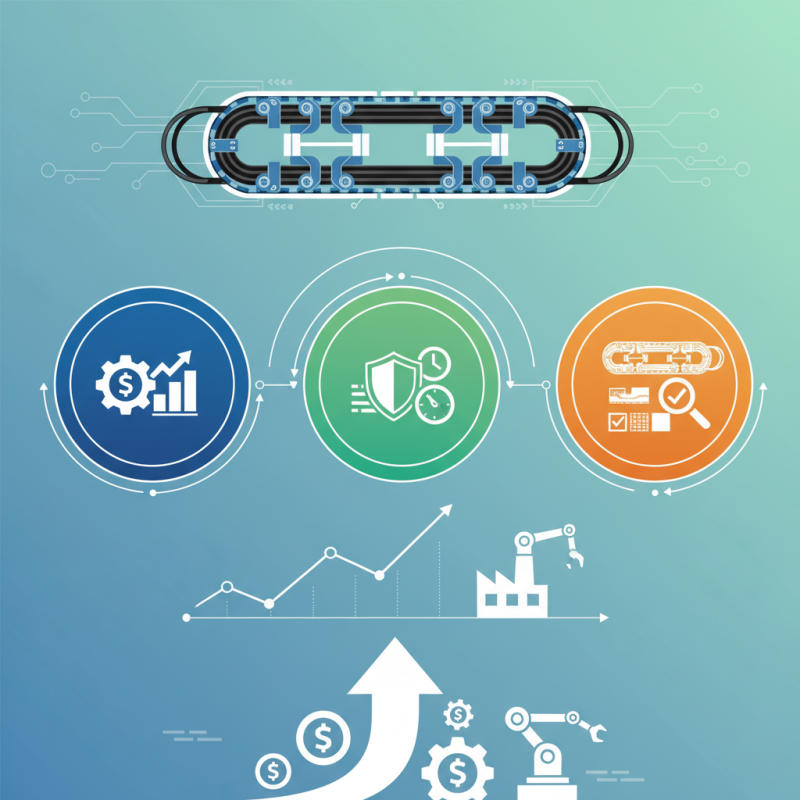
Understanding Cable and Hose Carriers: Definition and Purpose
Cable and hose carriers are essential components in many industrial applications. They are designed to organize and protect cables and hoses that provide power, control, and fluid transfer. These carriers allow for smooth movement in machinery, allowing cables to flex without tangling or damaging. They come in various sizes and shapes, adapting to different environments and applications.
The primary purpose of cable and hose carriers is to enhance operational efficiency. By keeping cables organized, they prevent wear and tear. This protection reduces downtime caused by cable failures or maintenance issues. Furthermore, carriers can help maintain a clean workspace, reducing trip hazards and improving safety.
While their benefits are clear, the choice of the right carrier can be complex. Factors such as load capacity and environmental conditions must be considered. It's not just about picking a convenient design; it’s about ensuring functionality and longevity. In some cases, users may overlook the need for regular inspections of these systems. Such oversights can lead to unexpected failures, underscoring the need for continuous monitoring and evaluation.
Components of Cable and Hose Carriers: Materials and Design Features
Cable and hose carriers are critical components in various industries. They manage cables and hoses, preventing tangles and wear. Understanding their materials and design features helps in enhancing their effectiveness. According to industry reports, approximately 60% of equipment failures are linked to improper cable management.
The materials used in cable and hose carriers vary widely. Common choices include nylon, steel, and aluminum. Nylon offers flexibility and resistance to chemicals, making it suitable for harsh environments. Steel provides durability but can be heavier. Aluminum balances strength and weight, contributing to overall efficiency. Each material influences the carrier's performance and longevity, emphasizing the need for careful selection based on application.
Design features play a crucial role in functionality. Modular designs allow for easy customization, adapting to specific requirements. Many carriers incorporate features like hinged covers for easy access. These elements aid maintenance, reducing downtime. However, achieving the right balance between flexibility and protection can be challenging. Engineers must consider factors like load capacity and motion dynamics. As a result, continuous innovation in design is essential for optimizing cable and hose carrier systems across different sectors.
What is Cable And Hose Carriers and How Do They Work? - Components of Cable and Hose Carriers: Materials and Design Features
| Component | Material | Design Features | Applications |
| Cable Carrier | Polyamide (PA) | Flexible, lightweight, built-in strain relief | Industrial robots, automotive assembly lines |
| Hose Carrier | Metal (Aluminum) | Durable, resistant to heat and chemicals | Hydraulic systems, heavy machinery |
| Drag Chain | Steel | High load capacity, long lifespan | Cranes, conveyor systems |
| Cable Guide | Polypropylene (PP) | Lightweight, cost-effective | General machinery, automation technology |
Operational Mechanisms: How Cable and Hose Carriers Function
Cable and hose carriers are essential in managing wires and tubing in various industrial settings. They help prevent tangling and damage, ensuring smooth operation. These systems consist of a series of interconnected links that support and guide cables or hoses along a predetermined path.
The operational mechanisms of cable and hose carriers are quite straightforward. As machinery moves, the carrier flexes and extends according to the movement of the equipment. The design allows for unrestricted bending while minimizing wear on the cables. This flexibility is crucial in environments with high mobility. Often found in robotics or material handling, they contribute to efficiency and safety.
However, users should remain vigilant. Improper installation can lead to friction build-up or misalignment. Regular maintenance is necessary, as wear and tear over time can compromise functionality. Understanding the specific needs of your application can enhance the performance of these carriers. Reflecting on their limitations is essential for optimizing their use.
Industry Applications: Where Cable and Hose Carriers are Commonly Used
Cable and hose carriers play a crucial role in various industries. These systems, designed to protect and organize cables and hoses, are commonly used in manufacturing, robotics, and automation. In manufacturing, they help streamline operations, ensuring equipment moves without damaging cables. In robotics, they facilitate smooth movement, supporting precision tasks.
Assembly lines benefit significantly from cable and hose carriers. They allow for flexibility and reduce wear and tear on essential components. In this setup, carriers guide cables and hoses safely throughout the workspace, minimizing clutter. They also enhance safety by preventing tripping hazards.
Tips: When selecting a carrier system, consider your specific application needs. Evaluate the environment to choose materials that withstand exposure to harsh elements. Regular maintenance is essential to keep the system functioning optimally. Small adjustments can lead to significant improvements in efficiency.
Recognizing their limitations is vital. Overlooking the specifics could lead to mistakes. The right choice impacts productivity and safety in every application. It’s necessary to monitor performance regularly to identify any areas needing improvement. Adapting can protect your investments and enhance operational flow.
Market Trends: Growth and Innovations in Cable and Hose Carrier Technology
The cable and hose carrier market is evolving rapidly. Industry innovations focus on improving safety and efficiency. New materials enhance flexibility and durability. This leads to increased lifecycle value for users. Manufacturers are also creating lightweight designs. These innovations enable easier installation and transportation.
As industries adopt automation, cable and hose carriers become vital. Companies are incorporating smart technology into their designs. This includes sensors that monitor wear and tear. Real-time data helps prevent malfunctions. However, some users struggle with integrating these complex systems. Training and proper maintenance are crucial.
Tips for users include regularly inspecting carriers for wear signs. Small issues can escalate quickly. Keep them clean to avoid friction damage. Inadequate maintenance may lead to costly downtime. Understand your specific application needs. Tailor your choice of carriers accordingly. It’s essential to reflect on your system's performance. Adjustments may be necessary as technology advances. This ensures that your operations remain efficient and competitive.
Cable and Hose Carriers Market Trends
This bar chart illustrates the market growth percentage of cable and hose carriers over a span of five years, showing an increasing trend from 2019 to 2023, driven by innovations in technology and rising industrial applications.