7 Best Tips for Choosing the Right Cable Carrier for Your Project
Selecting the right cable carrier is crucial for ensuring smooth operations in various industrial applications. According to a report by Research and Markets, the global cable carrier market is expected to grow significantly, driven by the increasing automation in manufacturing and the rise of smart factories. This growth highlights the importance of choosing a cable carrier that not only meets the technical requirements of your project but also enhances overall efficiency and safety. With a myriad of options available, understanding the fundamental factors that influence your decision is essential. This guide aims to provide you with the seven best tips for selecting the ideal cable carrier tailored to your project needs, ensuring optimal performance and longevity in demanding environments.
Understanding Your Project's Requirements for Cable Carriers
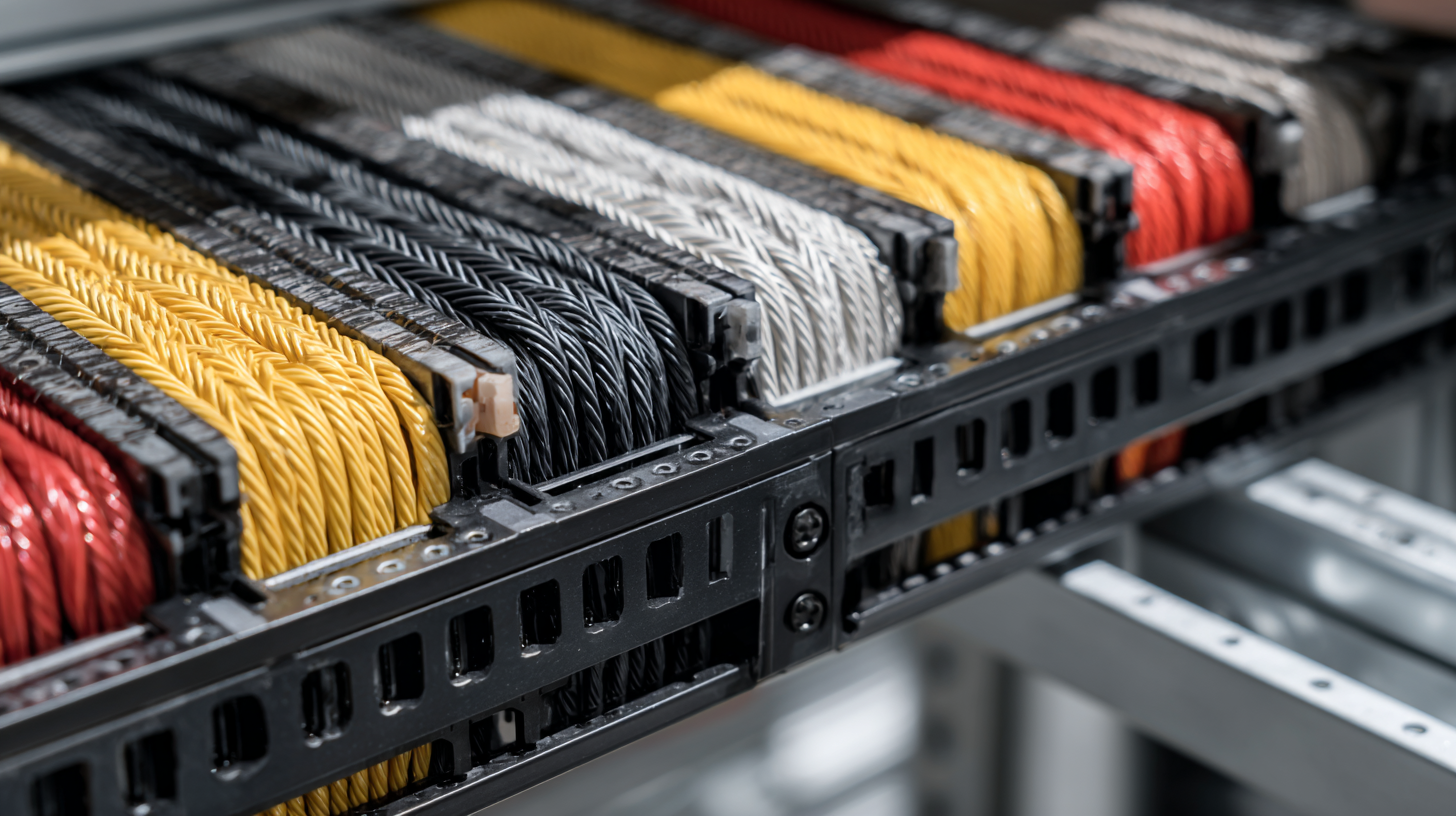
When embarking on a project that requires the installation of cable carriers, understanding your project's specific requirements is crucial. Begin by assessing the environment where the cable carriers will be used. Consider factors such as the length of travel, vertical or horizontal movement, and the types of cables that will be housed within the carriers. These elements will influence the size, material, and style of the cable carrier chosen, ensuring it meets the demands of your application effectively.
Additionally, evaluate the load capacity and operating conditions your cable carriers will face. If the project involves heavy machinery or extreme environmental factors, selecting a robust carrier made from durable materials is essential. Pay attention to factors like temperature, exposure to chemicals, and moisture, as these can impact the lifespan and functionality of the carriers. By aligning your choice with these specific project requirements, you can optimize performance and enhance the efficiency of your cable management system.
Evaluating Different Materials and Their Durability
Choosing the right cable carrier for your project requires a careful evaluation of the materials' durability. The durability of cable carriers is crucial as it directly impacts the maintenance costs and lifespan of the installation. Various materials are available, and understanding their properties can guide your decision-making process.
For instance, materials such as high-density polyethylene (HDPE) are known for their excellent resistance to environmental stressors, making them suitable for outdoor or harsh conditions. Similarly, the assessment of new composite materials, like those derived from fly ash and alccofine, has shown promise due to their durability and sustainability. These innovative materials can not only withstand hydraulic pressures but also contribute to eco-friendly practices in construction.
Another vital consideration is the performance of materials under corrosive environments. Recent studies highlight how certain materials, when treated with hydrophobic agents, can maintain their integrity and functionality even in challenging conditions. Be sure to evaluate the specific environmental factors your cable carrier will face, as selecting materials with proven durability in similar conditions can lead to a more reliable and cost-effective solution.
Sizing and Load Capacity: Ensuring the Right Fit
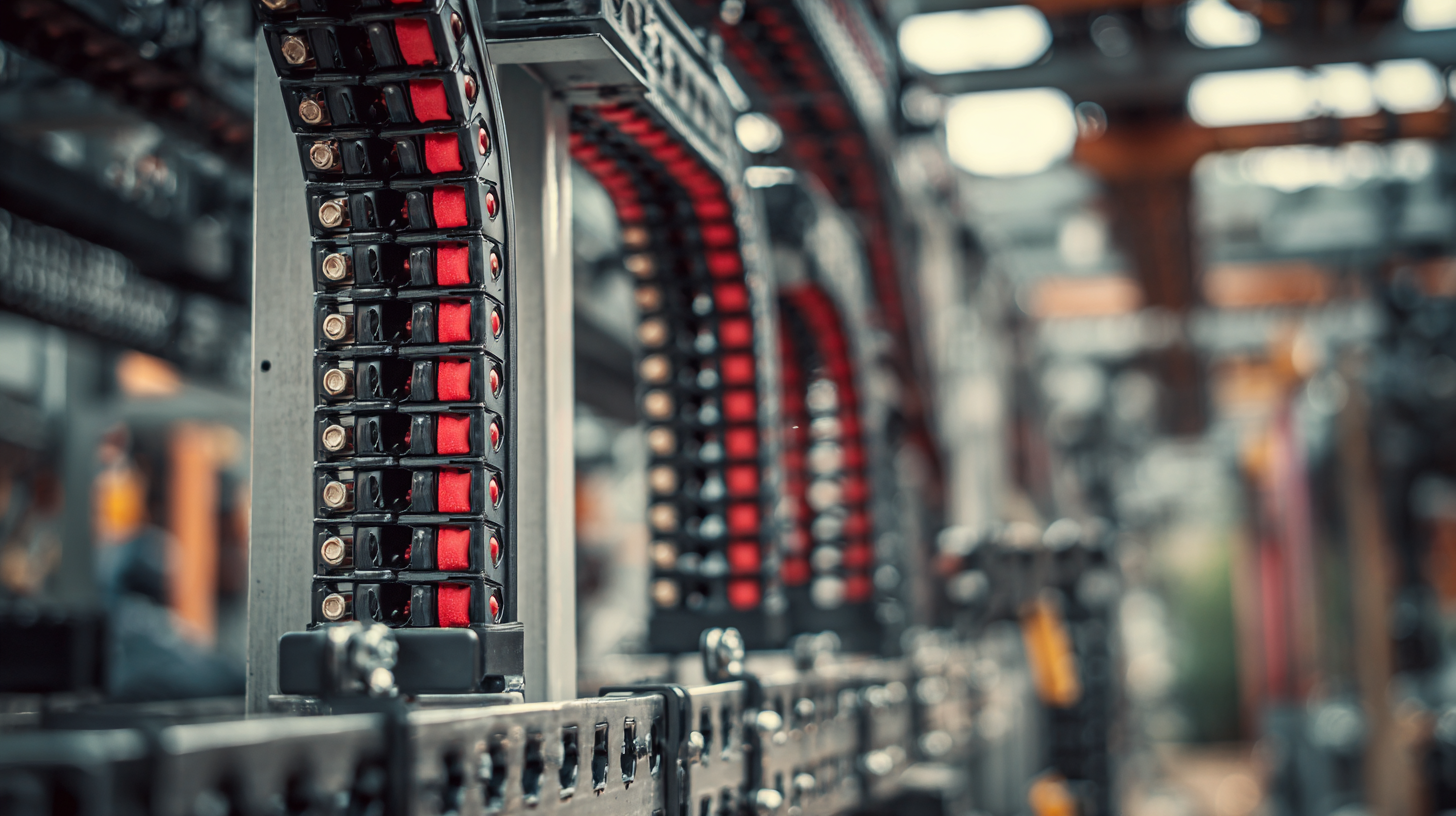
When selecting a cable carrier for your project, understanding sizing and load capacity is crucial to ensure optimal performance and longevity. The first step in the selection process is to accurately assess the dimensions of your cables. Measure their diameter when bundled, as this will help determine the internal space needed within the cable carrier. It’s also important to consider the number of cables you plan to run through the carrier; overcrowding can lead to wear and inefficiency. Always refer to the manufacturer’s specifications for recommended load capacities to prevent overloading that may cause structural failures.
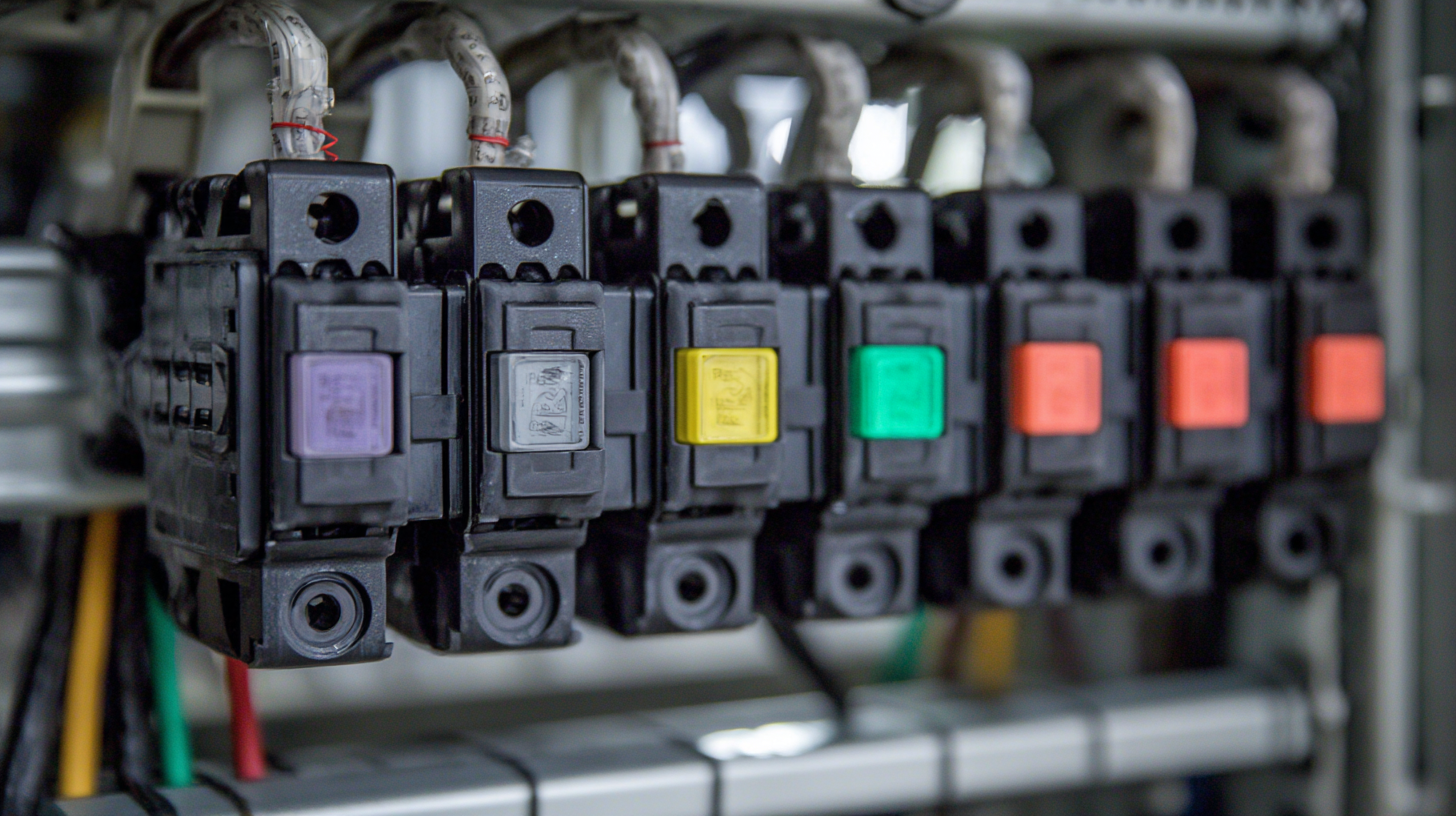
In addition to size, load capacity plays a pivotal role in the functionality of a cable carrier. Each carrier is designed with a specific weight limit and range of motion. You should consider not only the static load but also any dynamic forces that may be at play during operation. Alongside this, it's essential to factor in environmental conditions such as temperature fluctuations or exposure to chemicals, as these can affect the overall strength and performance of the cable carrier. Selecting a carrier that matches both the physical dimensions and load requirements of your project ensures that your system remains efficient and reliable over time.
Assessing Installation and Maintenance Needs
When choosing the right cable carrier for your project, it's crucial to assess installation and maintenance needs thoroughly. Proper installation can significantly impact the longevity and effectiveness of your cable management system. Begin by evaluating the environment in which the cable carrier will operate. Factors such as temperature fluctuations, potential for physical damage, and space constraints will influence the type of cable carrier you require. Opting for a lightweight yet durable material can streamline the installation process and reduce strain on both the support structure and the cables themselves.
Maintenance is another vital consideration that can save time and resources in the long run. Select cable carriers that offer easy access for inspection and repairs, as this will minimize downtime during routine checks. Establish a maintenance schedule tailored to the specific operational conditions and wear patterns observed in your setup. Additionally, consider modular designs that allow for easy addition or replacement of sections, making upgrades or repairs less cumbersome. By prioritizing both installation and maintenance needs, you can ensure a reliable and efficient cable management system for your project.
Analyzing Cost vs. Long-Term Value in Cable Carriers
When selecting the right cable carrier for your project, it’s essential to weigh both cost and long-term value. The current surge in investor focus on fiber networks highlights the importance of high-quality connections as crucial infrastructure for delivering broadband services. Choosing a cable carrier that offers robust solutions can significantly impact the performance and reliability of your project's connectivity. While cost is a primary concern, opting for a solution that might have a higher upfront price could yield better returns in terms of longevity and efficiency. The fiber opportunity is not just about initial investments; it’s about creating sustainable networks that can support future demands.
Furthermore, as companies ramp up their data center capacities to meet the growing need for compute power, the efficiency and scalability of cable carriers become pivotal. Implementing superior cable solutions creates a foundation for scalable infrastructures, enabling organizations to adapt to evolving technology landscapes. Businesses should consider how their choice of cable carriers aligns with larger goals around performance metrics and total cost of ownership. The intersection of technology readiness and tangible value will define the successful implementation of these critical assets in a fast-paced, digitally driven environment.