2026 Best Control Cabinet Solutions for Global Buyers?
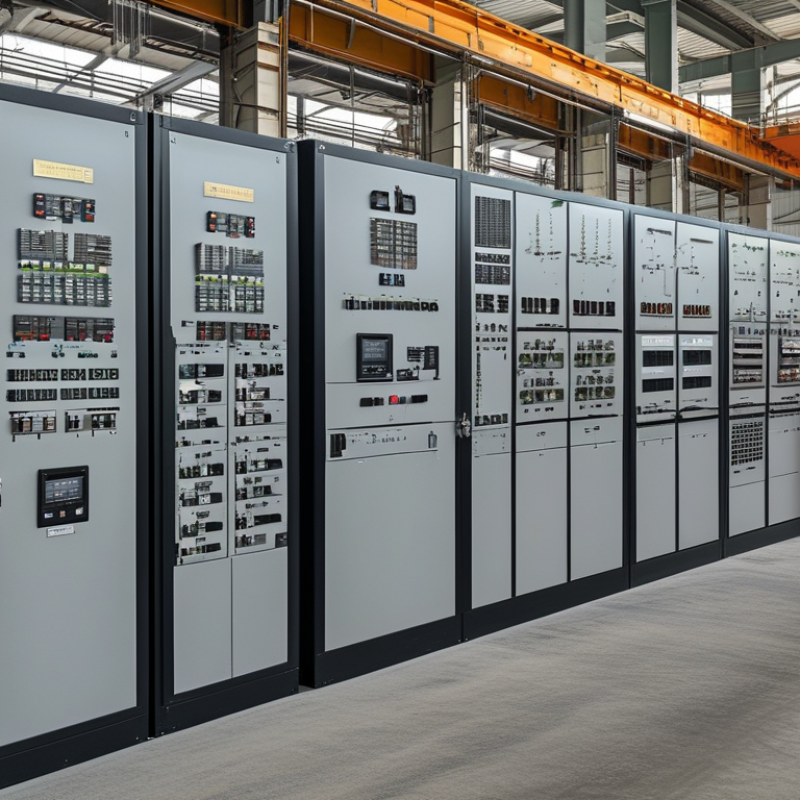
As industries evolve, the demand for reliable control cabinet solutions increases. Control cabinets are crucial for housing electrical and electronic components. According to a report by MarketsandMarkets, the global control cabinet market is projected to reach $25 billion by 2026, driven by rapid industrialization.
In sectors like manufacturing and energy, the need for efficient control cabinets is paramount. These cabinets ensure safety and reliability, reducing downtime and operational risks. However, not all solutions meet the required standards. Poor quality can lead to failures, impacting productivity and safety. Buyers must prioritize quality over cost to avoid long-term issues.
With many options available, selecting the best control cabinet is challenging. It requires assessing specific needs, durability, and compliance with industry standards. As global buyers navigate this market, understanding trends and emerging technologies becomes vital. Investing in superior control cabinet solutions can provide significant advantages in a competitive landscape.
2026 Market Trends in Control Cabinet Solutions for Global Buyers
The control cabinet solutions market is evolving rapidly. As of 2025, the global market is expected to reach over $25 billion. Recent trends highlight a shift towards smart automation. Manufacturers increasingly integrate IoT technology into their designs. This integration enhances efficiency and data monitoring capabilities.
According to a report by MarketsandMarkets, smart control cabinets are projected to grow at a CAGR of 7.5% until 2026. This growth indicates a significant shift in buyer preferences. More buyers seek solutions that offer flexibility and energy efficiency. The focus on energy-saving technologies is critical. A report from IDC suggests that 60% of buyers prioritize energy efficiency in their purchasing decisions.
Sustainability concerns also play a vital role. Many manufacturers face challenges in complying with environmental standards. The demand for eco-friendly materials is rising. However, sourcing these materials can be difficult. Buyers often struggle to balance cost and sustainability. Navigating these complexities will be essential for success in 2026. The control cabinet landscape will continue to adapt to market needs and technological advancements.
Key Features and Specs for Control Cabinets in 2026
In 2026, control cabinets are evolving to meet the diverse needs of various industries. Key features include enhanced thermal management systems. Advanced insulation materials help maintain optimal temperatures, ensuring equipment longevity. According to a recent industry report, energy loss can be reduced by up to 25% with proper insulation. This efficiency is crucial as energy costs continue to rise globally.
Another important specification is modularity. This design allows for easy upgrading and scaling. Modular cabinets cater to the growing demand for flexibility in manufacturing and operations. A study shows that nearly 60% of companies prefer solutions that can be easily adjusted to changing needs. However, while modular systems offer adaptability, they can sometimes compromise on space efficiency, an area for further improvement.
Connectivity is also a growing trend. With the rise of the Industrial Internet of Things (IIoT), many control cabinets now feature more integrated smart technology. This includes remote monitoring and diagnostics capabilities. While beneficial, relying on connected devices raises cybersecurity concerns. A significant percentage of companies report struggling with these vulnerabilities. As the technology progresses, addressing these challenges will be critical for maintaining reliability and trust in control cabinet solutions.
2026 Best Control Cabinet Solutions for Global Buyers
| Model | Material | Dimensions (H x W x D) | IP Rating | Temperature Range | Weight | Special Features |
| Model A | Steel | 1800 x 800 x 600 mm | IP66 | -20°C to 60°C | 120 kg | Quick Release Doors |
| Model B | Aluminum | 2000 x 1000 x 500 mm | IP55 | -10°C to 50°C | 90 kg | Modular Design |
| Model C | Plastic | 1500 x 700 x 400 mm | IP54 | 0°C to 40°C | 60 kg | Lightweight |
| Model D | Stainless Steel | 2200 x 900 x 600 mm | IP67 | -40°C to 80°C | 150 kg | Corrosion Resistant |
Top Manufacturers and Their Innovations in Control Cabinet Solutions
The control cabinet market is rapidly evolving. Manufacturers are innovating to meet the growing demands for efficiency and reliability. They are integrating advanced technologies to enhance operational capabilities. Smart control cabinets are at the forefront of this trend, featuring remote monitoring and control functions. These innovations promote better energy management and faster problem-solving.
Fabrication techniques are also advancing. Improved materials and processes make control cabinets more durable. Lightweight and corrosion-resistant materials are becoming popular. This shift ensures that cabinets can withstand various environmental conditions. However, not all solutions are perfect. Some may have complexities that require careful installation and customization.
Consider the scalability of control cabinets before making a purchase. They should adapt to future needs without significant redesign. Another aspect to consider is the user interface. A simplified interface can lead to better user experience and less training time for operators. Remember that reliability often starts from quality components, so choose wisely.
Sustainability Practices in Control Cabinet Production and Use
Sustainability in control cabinet production is gaining momentum. Manufacturers are increasingly adopting eco-friendly practices. For instance, the use of recyclable materials is becoming standard. This shift helps reduce waste and promotes a circular economy. Factories are also focusing on energy-efficient processes. By lowering energy consumption, they decrease their carbon footprint significantly.
Despite these advancements, challenges remain. Not all manufacturers prioritize sustainability equally. Some still rely on traditional materials that are less eco-friendly. This can hinder progress toward greener production methods. Moreover, the supply chain often complicates sustainability efforts. Sourcing sustainable materials can be difficult. It is crucial for industry players to appreciate these challenges.
There is also room for improvement in product design. Modular designs allow for easier upgrades and repairs. This extends the lifespan of control cabinets and reduces waste. Nonetheless, not all designs consider dismantling and recycling. This oversight could undermine sustainability goals. Recognizing these areas for reflection is important for continued growth in sustainable control cabinet solutions.
Cost Analysis and ROI of Advanced Control Cabinet Solutions in 2026
In 2026, the demand for advanced control cabinet solutions is expected to grow significantly. According to recent industry reports, the market value of control cabinets could reach approximately $15 billion by 2026. This growth hinges on several factors, including increasing automation in manufacturing and the need for energy-efficient systems. Buyers will seek solutions that not only meet operational requirements but also demonstrate a solid return on investment.
Cost analysis reveals that these advanced solutions can save up to 30% in energy costs compared to traditional cabinets. However, initial expenses may deter some buyers. A detailed examination shows that while upfront costs may increase by 20%, the long-term savings often offset these investments. Not all solutions guarantee immediate ROI; careful selection is crucial. Proper assessment of specific needs is essential in achieving efficiency and cost-effectiveness.
There are challenges in adopting advanced solutions. Integration with existing infrastructure can incur unanticipated costs. Additionally, not all suppliers provide adequate support during implementation. Buyers must weigh these aspects against potential savings. Continuous performance evaluations become critical to ensure that investments align with evolving operational goals. This careful monitoring will determine the true success of control cabinet investments in this dynamic market.