Top 10 Benefits of Using Rubber Tracks for Heavy Machinery?
In the world of heavy machinery, choosing the right components is crucial. Rubber Tracks have emerged as a game-changer. They offer numerous advantages over traditional steel tracks. The flexibility of rubber tracks allows for smoother operations on various terrains. They can easily adapt to soft ground, reducing soil disturbance.
The lightweight design of rubber tracks enhances fuel efficiency. This leads to lower operating costs, a vital aspect for any business. It’s worth noting that while they have many benefits, rubber tracks can wear out faster in certain conditions. Operators must be aware of this to maximize their lifespan.
Moreover, the reduced noise levels of rubber tracks contribute to a more comfortable working environment. This aspect cannot be overlooked in ensuring the well-being of operators. With these insights, understanding rubber tracks becomes essential for making informed decisions in heavy machinery usage.
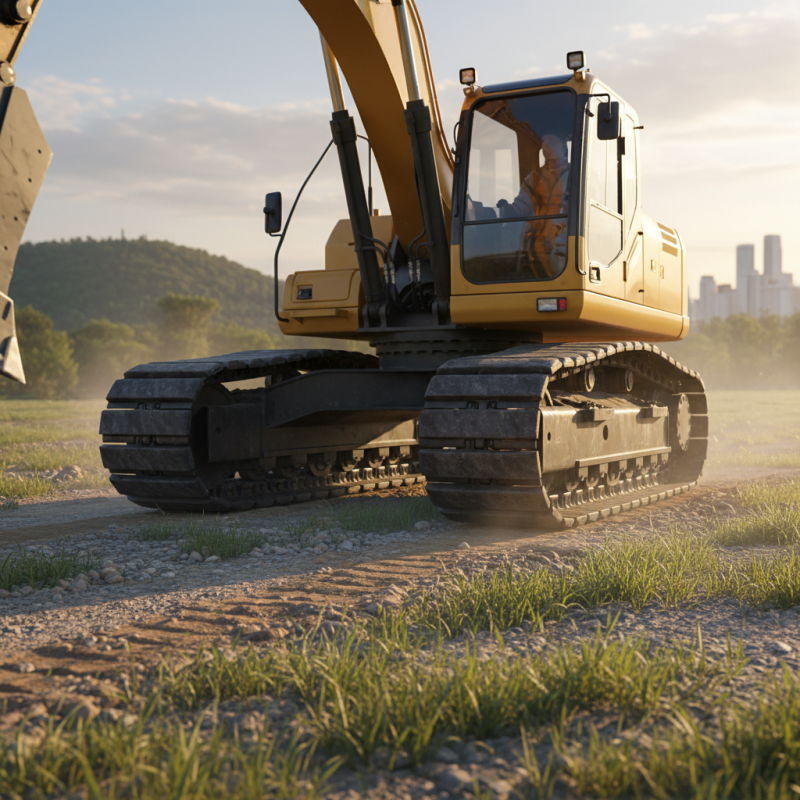
Benefits of Rubber Tracks: Enhanced Traction on Various Surfaces
Rubber tracks provide enhanced traction across a variety of surfaces, making them a popular choice for heavy machinery. They can grip smooth concrete, slippery mud, and rough terrain effectively. This versatility allows operators to maintain stability while working, even in challenging conditions. The flexibility of rubber tracks enables machinery to better conform to uneven ground, reducing the risk of slippage.
In addition, rubber tracks distribute the weight of the machinery more evenly. This feature prevents soil compaction and minimizes damage to the ground. Operators often notice less disturbance to landscaped areas or agricultural fields. However, not all rubber tracks perform equally. The quality of construction varies, and some may wear out faster than others under heavy use. Regular inspection and maintenance are crucial for optimal performance. Quality control remains a concern, as inconsistencies can lead to unexpected failures. Investing in well-reviewed rubber tracks can enhance safety and productivity on the job site.
Top 10 Benefits of Using Rubber Tracks for Heavy Machinery
This bar chart illustrates the top 10 benefits of using rubber tracks for heavy machinery. Each benefit is rated on a scale from 1 to 10, showcasing their importance in enhancing machinery performance and efficiency across various applications.
Weight Distribution: How Rubber Tracks Reduce Ground Pressure
Rubber tracks offer significant advantages for heavy machinery, especially in terms of weight distribution. Unlike traditional steel tracks, rubber tracks spread the machinery's weight over a larger area. This design minimizes ground pressure. As a result, the risk of soil compaction and damage to the terrain is reduced. Operators often notice less disturbance to sensitive surfaces, making rubber tracks ideal for landscaping and construction.
The benefits don’t stop there. Reduced ground pressure enhances stability, allowing machines to navigate softer terrains more effectively. This is crucial during wet conditions or on uneven ground. However, some operators may struggle to adapt to the different handling characteristics of rubber tracks. This requires practice and awareness. Training could help teams maximize the advantages while minimizing potential concerns. Over time, the benefits of weight distribution and reduced ground pressure become evident, especially in challenging environments.
Noise and Vibration Reduction: The Comfort of Rubber Tracks in Operation
Rubber tracks provide significant benefits in reducing noise and vibration during heavy machinery operations. Traditional steel tracks produce loud sounds and excessive vibrations, creating discomfort for operators. In contrast, rubber tracks absorb shock better. They dampen noises, making work environments more pleasant. Operators often report feeling less fatigue. A quieter workplace allows for better communication among team members.
Moreover, the reduction in vibration can lead to less wear on the machinery itself. It also minimizes damage to the surfaces being worked on. This aspect is especially beneficial in urban areas where noise regulations are stricter. However, it is essential to consider the durability of rubber tracks compared to steel ones. They may wear out faster in extremely rugged conditions. Maintenance practices will also need adjustment. Replacing rubber tracks is necessary more frequently.
While rubber tracks enhance comfort, they are not perfect. Some operators might find them less stable on uneven terrain. Testing different types is advisable to find the right fit. Each job site has unique requirements. Remaining aware of these factors can help in making informed decisions. Balancing comfort with functionality is crucial.
Cost Efficiency: Long-Term Savings with Rubber Tracks Over Steel Tracks
When considering heavy machinery, the choice between rubber tracks and steel tracks is crucial. Rubber tracks offer significant cost efficiency. Over time, these tracks lead to substantial savings. They reduce wear and tear on the machinery, resulting in lower maintenance costs. Unlike steel, rubber tracks don’t damage work surfaces, minimizing repair expenses.
A common oversight is underestimating the longevity of rubber tracks. They can last considerably longer than steel variants. However, it's vital to choose the right type for your specific applications. The right tracks ensure optimal performance and durability.
Tip: Regularly inspect your rubber tracks for wear and damage. This simple step can prevent costly breakdowns. Another tip involves investing in proper storage. Proper care extends the life of rubber tracks, ensuring they perform effectively. Small adjustments can yield considerable savings in the long run. Always remember, understanding your machinery's needs is paramount.
Versatility in Applications: Adaptability of Rubber Tracks for Different Machines
Rubber tracks are increasingly popular in heavy machinery due to their versatility. They adapt well to various applications, from construction to agriculture. For example, rubber tracks are used in excavators, loaders, and even smaller utility vehicles. This flexibility allows operators to switch machines without needing different track systems.
Industry reports show that rubber tracks can reduce soil compaction by up to 50% compared to steel tracks. This is crucial for farmers who want to minimize damage to soil health. Rubber tracks also perform well on uneven terrain. They provide better traction on soft or muddy ground. However, some users report that rubber tracks may wear out faster in rocky conditions.
Installation and maintenance of rubber tracks are straightforward. Many machines now come with the option for easy installation. Regular inspections can extend the life of rubber tracks. Yet, users should be aware of the trade-offs. While rubber tracks enhance machine versatility, they may require more frequent replacements. Understanding these factors is essential for making informed machinery decisions.