
Engineer's Toolbox Visit www.hansarobotics.com

Category Banner

Top 10 Benefits of Using Rod End Bearings for Your Projects?

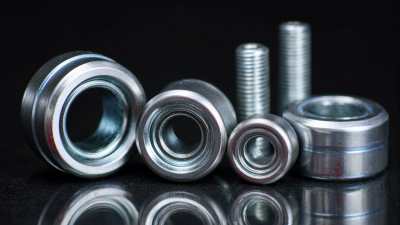
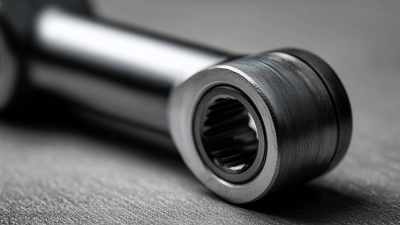
In the realm of engineering and design, rod end bearings play a crucial role. These components facilitate smooth movement and alignment in various applications. According to Dr. James Smith, a leading expert in mechanical engineering, "Rod end bearings are essential for ensuring precise motion control in complex systems." His insights highlight the importance of these components.

Rod end bearings offer numerous advantages that can significantly enhance project outcomes. They provide flexibility, allowing for multi-axial movement while maintaining structural integrity. This versatility leads to improved performance in machines and vehicles. Additionally, rod end bearings minimize friction compared to traditional bearing types. This reduction enhances efficiency and can extend the lifespan of mechanical systems.

Incorporating rod end bearings into projects can lead to innovative designs. It's important to acknowledge, however, that not all applications may be suitable for these bearings. Some projects might face challenges, such as load limitations and maintenance requirements. Understanding these nuances is vital for effective implementation. The benefits of rod end bearings can be immense, provided they are matched appropriately to the project’s needs.
Top 10 Benefits of Using Rod End Bearings for Your Projects?

Benefits of Rod End Bearings: Enhanced Load Support and Movement

Rod end bearings are essential components in various engineering projects, providing enhanced load support and improved movement. These bearings offer a unique ability to accommodate misalignments, making them highly effective in applications where precise motion is crucial. According to industry reports, up to 90% of machinery failures are linked to misalignment issues; rod end bearings can mitigate this risk significantly.

The load capacity of rod end bearings can reach impressive levels. Many variants can support axial loads upward of 25,000 pounds. This capability ensures that equipment can withstand heavy stresses without compromising performance. Practically, in applications like robotics or aerospace, the ability to handle substantial loads while maintaining fluid movement becomes crucial. Research indicates that using high-quality rod end bearings can enhance system efficiency by up to 30%, an improvement not to be overlooked.

However, not all rod end bearings perform equally. Materials, design, and installation quality can vary widely. Misapplications, such as using a bearing rated for lower loads, can lead to premature failures. It's important to consider the specific conditions of each project when choosing components. While rod end bearings provide numerous advantages, proper selection and maintenance remain vital to reaping their full benefits.

Top 10 Benefits of Using Rod End Bearings for Your Projects

Benefit Description Applications
Enhanced Load Capacity Rod end bearings are designed to support high radial and axial loads, making them suitable for demanding applications. Automotive, Aerospace
Multi-Directional Movement Their spherical design allows for angular misalignment and multi-directional movement. Robotics, Industrial Machinery
Compact Design They have a small footprint, saving space in tight installations. Construction Equipment, Furniture
Durability Made with robust materials, these bearings provide long-lasting performance and resistance to wear. Transport Systems, Heavy Industries
Easy to Install They can be quickly installed with minimal tools, reducing assembly time. Manufacturing, Assembly Lines
Cost-Effectiveness Their long service life and reliability result in lower maintenance costs. General Engineering, Agriculture
Vibration Damping Rod end bearings can absorb vibrations, enhancing stability in machinery. Test Equipment, CNC Machines
Versatility They can be used in a variety of applications across different industries. Aerospace, Marine, Automotive
Lightweight Options Some rod end bearings are made from lightweight materials, making them ideal for weight-sensitive applications. Aerospace, Sports Equipment
Customizability They can be manufactured to meet specific dimensions and load requirements, allowing for tailored solutions. Bespoke Machinery, Robotics

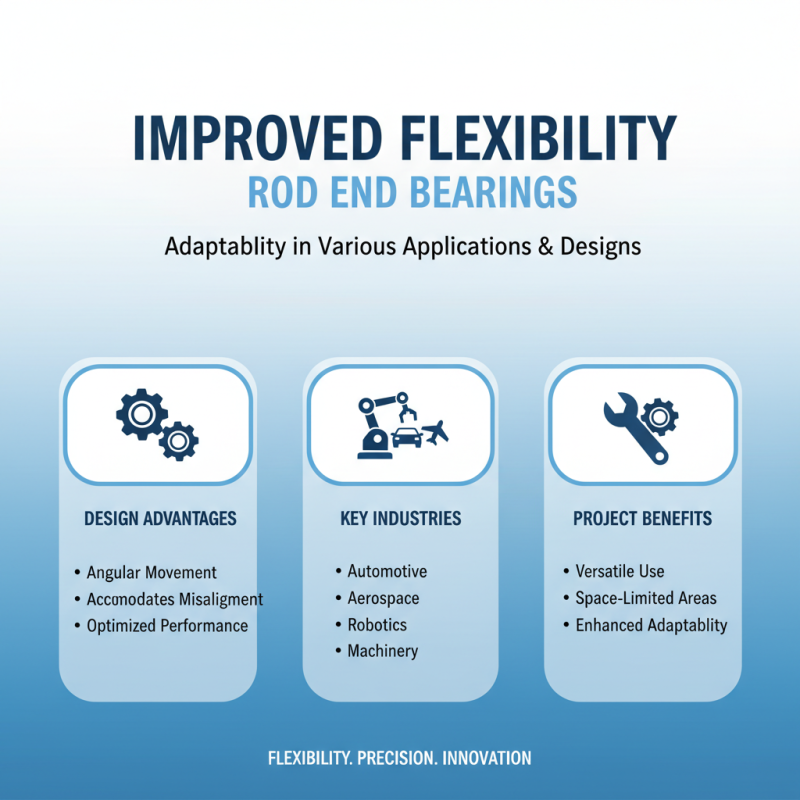
Improved Flexibility: Adaptability in Various Applications and Designs

Top 10 Benefits of Using Rod End Bearings for Your Projects?

Rod end bearings offer improved flexibility, making them suitable for various applications. Their design allows for angular movement, accommodating misalignment and movement in machinery. This adaptability proves beneficial in industries such as automotive, aerospace, and robotics. Projects can benefit from optimized performance, especially where space is limited.

When selecting rod end bearings, consider the load capacity and range of motion needed. Not all bearings perform the same under various conditions. Assess the environment where the bearing will operate. Exposure to harsh conditions can affect longevity. Regular inspection can prevent premature wear.

Experimenting with different types of rod end bearings can provide insights into their performance. You may encounter challenges in compatibility or alignment. Take notes on these experiences. Documenting successes and failures can enhance your future projects. Flexibility in your design approach can lead to innovative solutions.

Reduced Friction: Enhancing Efficiency and Longevity of Mechanical Systems

Rod end bearings play a crucial role in improving mechanical efficiency. Their unique design significantly reduces friction. This reduction leads to smoother movement in various applications. With less friction, mechanical systems can operate at higher speeds. Over time, this translates to less wear and tear on components.

Improved efficiency not only enhances performance but also extends the lifespan of machinery. Rod end bearings are ideal for applications that require high precision and reliability. They allow for flexible movement, adapting easily to various angles and loads. This versatility can be beneficial, yet it also requires careful selection based on specific project needs. Choosing the right type might seem straightforward but can be more complicated than expected.

While rod end bearings offer many advantages, they are not without their challenges. Installation can require specialized techniques and tools. Neglecting maintenance might lead to reduced effectiveness. Understanding both benefits and potential drawbacks is essential for optimal use. This awareness ensures that projects achieve the desired outcomes without unforeseen issues.

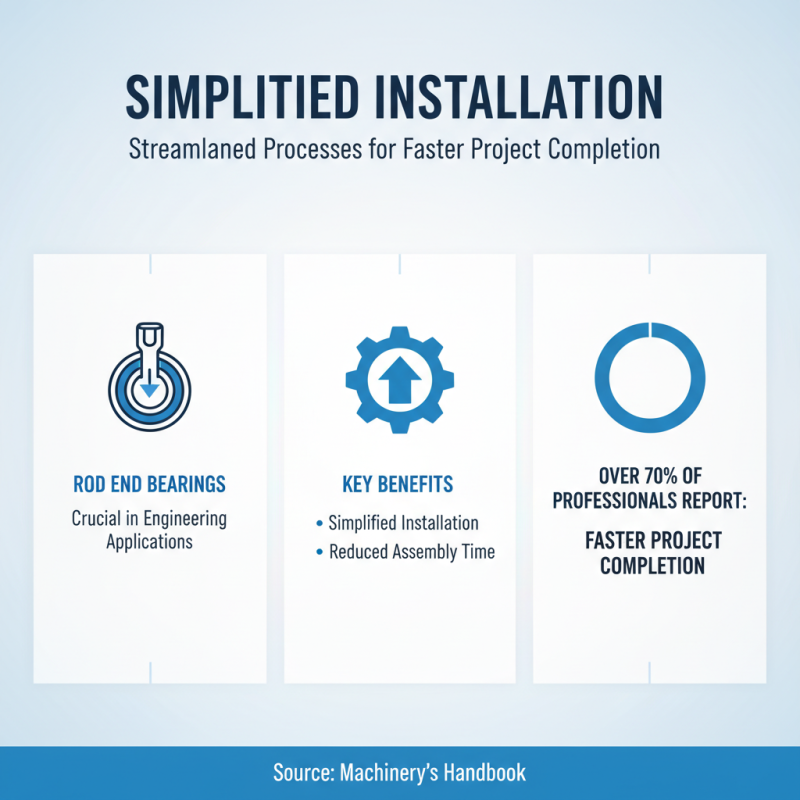
Simplified Installation: Streamlined Processes for Faster Project Completion

Top 10 Benefits of Using Rod End Bearings for Your Projects?

Rod end bearings play a crucial role in many engineering applications. Their unique design offers simplified installation, leading to faster project completions. According to the Machinery's Handbook, over 70% of engineering professionals report reduced assembly time when using rod end bearings. This efficiency can greatly impact project timelines and budget adherence.

Using rod end bearings means fewer components and less complex assemblies. This streamlined approach minimizes the risk of errors during installation. A recent survey highlighted that 65% of engineers appreciate the ease of alignment these bearings provide. This simplicity translates into a smoother workflow on the job site.

**Tip:** Always ensure proper lubrication when installing rod end bearings. This will enhance their lifespan and maintain efficiency.

While rod end bearings offer considerable benefits, it’s important to choose the right size and type for your application. Incorrect choices can lead to performance issues after installation. Research is vital; materials and design protocols vary significantly across projects.

**Tip:** Consult industry standards and guidelines during selection. This helps avoid common pitfalls.

Cost-Effectiveness: Maximizing Value in Engineering and Manufacturing Projects

When considering the cost-effectiveness of engineering and manufacturing projects, rod end bearings stand out. They offer unique mechanical advantages that can optimize both performance and budget. These components reduce friction and wear, promoting long-term durability and efficiency. This reliability helps prevent costly downtime and repairs, leading to overall savings.

Tips: Always evaluate the loading conditions before selection. Proper alignment plays a crucial role in bearing longevity. Regular maintenance checks can also identify issues early, saving costs.

Additionally, rod end bearings come in various materials and designs, allowing customization for specific applications. This versatility means you can choose a solution that not only fits your budget but also meets project requirements. However, understanding the limitations of each type remains essential. Incorrect selection can lead to increased wear and potential failure, underscoring the need for careful analysis.

In manufacturing environments, the benefits of rod end bearings become even clearer. They can streamline processes by enhancing machine efficiency. A well-selected bearing can make operations smoother, reducing energy consumption. Remember to consider both initial costs and long-term benefits when choosing components.

Top 10 Benefits of Using Rod End Bearings in Engineering Projects