Top 10 Benefits of Using Bronze Bushings in Engineering Applications?
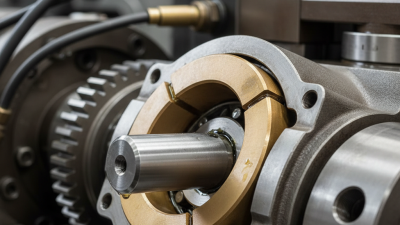
In modern engineering, the choice of materials can dramatically influence performance and longevity. One material that has gained significant traction is bronze bushings. Renowned expert Dr. Emily Harper, an engineer with over 20 years of experience in the field, states, "Bronze bushings provide an unmatched balance of durability and resistance." This insight highlights their importance in various applications.
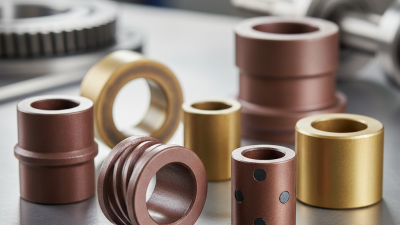
Bronze bushings are often used in machines and vehicles. They reduce friction, ensuring smooth operation. Their ability to withstand extreme pressure is notable, yet they can be underappreciated compared to alternatives. Industries may overlook the long-term benefits bronze bushings offer. They lead to fewer maintenance issues over time, which can be crucial for cost management.
Despite their advantages, some engineers remain hesitant. There are misconceptions regarding their performance in harsh environments. However, with proper selection and application, bronze bushings can thrive even in challenging conditions. Understanding their benefits is key for any engineer seeking efficiency and reliability in their designs.
Benefits of Bronze Bushings in Reducing Friction in Machinery
In engineering applications, bronze bushings play a crucial role in
reducing friction in machinery. This significant reduction in
friction leads to enhanced efficiency. Bronze, known for its durability, is often used in high-load environments. It
provides excellent wear resistance. The result?
Longer machine life and less maintenance.
Bronze bushings minimize heat generation, which is essential for peak performance.
Excessive heat can lead to component failure. By using bronze bushings, manufacturers ensure that machinery operates
smoothly. This helps in maintaining optimal production levels. It is also less
prone to seizing compared to other materials.
Tip: Regularly check the condition of bronze bushings. Look
for signs of wear or damage. Early detection can prevent extensive machinery issues. Another crucial aspect is
lubrication. Using the right lubricant can
significantly enhance the performance of bronze bushings.
While bronze bushings offer many benefits, selecting the
right size is vital. An oversized bushing can lead to
misalignment and uneven wear. Keep in mind that proper installation is just as important as material choice.
Re-evaluating your application needs periodically can lead to better outcomes.
Durability and Corrosion Resistance of Bronze Bushings in Harsh Environments
Bronze bushings are known for their exceptional durability. In harsh environments, they resist wear and corrosion effectively. This makes them ideal for applications like marine, automotive, and manufacturing. Exposure to saltwater or chemicals can degrade other materials. However, bronze performs well under such conditions.
Corrosion resistance is crucial for longevity. Bronze bushings can withstand moisture without deteriorating. Even when subjected to high temperatures, they maintain their structural integrity. Their self-lubricating properties reduce friction, which further enhances their service life. This is particularly beneficial in heavy-duty applications where reliability is vital.
Some industries might overlook the initial costs of bronze bushings. Yet, the long-term savings due to reduced maintenance make them a smart investment. In some cases, the choice of material can be a point of contention. But when considering functionality and performance, bronze often stands out. It's not just about the immediate facts; it's about understanding the material's contributions over time.
Improved Load-Bearing Capacity of Bronze Bushings in Engineering Structures
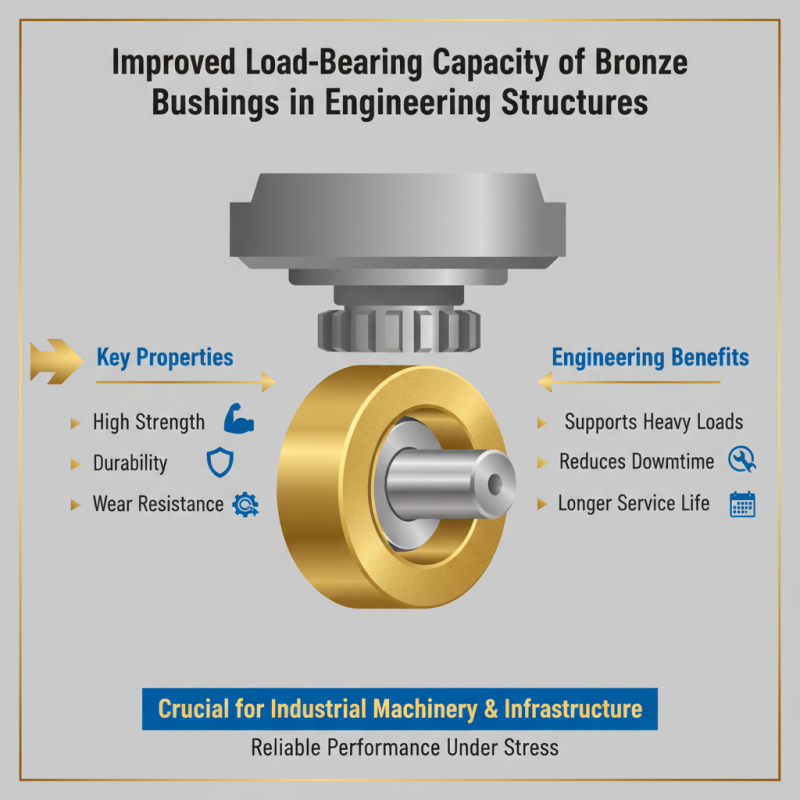
Bronze bushings play a crucial role in engineering applications, particularly in enhancing load-bearing capacity. Their high strength and durability make them ideal for structures subject to heavy loads. In many industrial settings, bronze is favored for its ability to withstand significant stress. This is important in machinery where a failure could result in costly downtime.
The improved load-bearing capacity of bronze bushings contributes to efficiency. They distribute weight evenly, reducing the risk of wear and tear. This characteristic helps maintain proper alignment in moving parts. An aligned mechanism ensures smooth operation, which is vital for performance. However, selecting the wrong bushing size can lead to issues. It is essential to assess the load requirements carefully.
Integrating bronze bushings also impacts maintenance. They can reduce the frequency of repairs, which can be a double-edged sword. While they are reliable, neglecting regular checks may lead to unexpected failures. Engineers must balance the benefits with the need for routine inspections. This approach ensures that structures remain safe and efficient over time.
Cost-Effectiveness of Bronze Bushings Compared to Alternative Materials
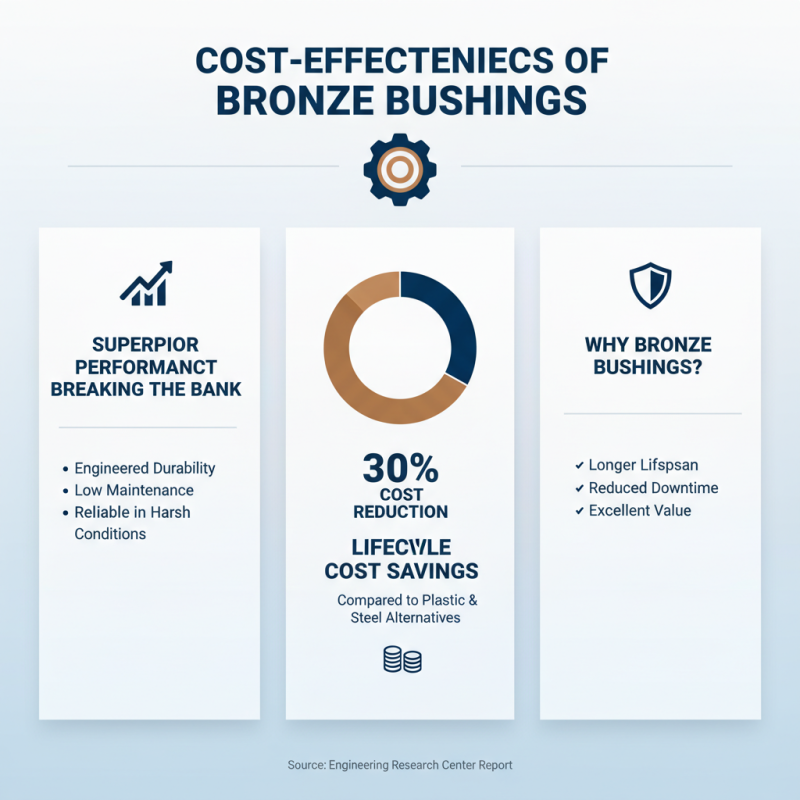
Bronze bushings are increasingly favored in engineering applications due to their cost-effectiveness. They offer superior performance without straining budgets. According to a report by the Engineering Research Center, bronze bushings often have a lifecycle cost reduction of up to 30% compared to alternatives like plastic or steel. This substantial savings stems from their durable nature and low maintenance requirements.
The initial investment in bronze bushings is often slightly higher than some alternatives. However, their longevity and resistance to wear provide a considerable return on investment. They are estimated to last up to three times longer than plastic bushings under similar conditions. This durability reduces the frequency of replacements, minimizing downtime in critical applications.
Tips: When selecting materials, consider the long-term costs. Evaluate not just the upfront price but also potential maintenance expenses. Additionally, analyze the performance metrics of each material type. Think critically about how bronze bushings may outperform cheaper options in the long run. Investing in quality can lead to significant savings and efficiency improvements over time.
Ease of Maintenance and Replacement for Bronze Bushings in Mechanical Systems
Bronze bushings are widely recognized for their role in reducing friction and wear in mechanical systems. Their maintenance and replacement, however, are equally vital aspects that engineers consider. According to industry reports, bronze bushings can last up to 35% longer than those made from other materials, which can lead to decreased downtime in machinery. Yet, once wear does occur, the ease of replacement stands out.
The simple design of bronze bushings allows for quick removal and installation. Maintenance teams benefit significantly from this factor. They can perform replacements without extensive disassembly of machinery. A study highlighted that around 40% of machine downtime is linked to lengthy maintenance procedures, emphasizing the importance of quick-access components like bronze bushings.
While bronze bushings offer ease of replacement, some challenges exist. Over time, they may require specific tools or adjustments for proper installation. This can lead to a learning curve for new maintenance staff. Moreover, the materials can corrode if not adequately lubricated, creating further need for attention. Understanding these nuances is crucial for maintaining operational efficiency in engineering applications.
Top 10 Benefits of Using Bronze Bushings in Engineering Applications
The chart above illustrates the top 10 benefits of using bronze bushings in engineering applications. Each benefit is scored based on its significance, showcasing the advantages of incorporating bronze bushings into mechanical systems.