2026 Best Vibration Measurement Meter for Global Buyers?
Choosing the 2026 best Vibration Measurement Meter requires more than comparing prices or display sizes. Global buyers need reliable measurements across factories, power plants, wind farms, laboratories, and field service environments. A useful meter should capture acceleration, velocity, and displacement clearly. It should also provide suitable frequency ranges, stable sensors, strong data storage, and practical software.
Dr. Robert B. Randall, a respected vibration-analysis specialist, states, “The purpose of vibration analysis is to detect faults before they become failures.” This principle remains important in 2026. A machine may sound normal while its bearings develop early damage. A dependable Vibration Measurement Meter can reveal unusual peaks, rising overall values, or changing frequency patterns before costly downtime occurs. Small details matter.
However, no single instrument fits every global application. A compact handheld meter may suit maintenance rounds. A high-resolution analyzer may better support machinery diagnostics. Buyers should examine calibration certificates, sensor quality, IP protection, battery performance, language support, and after-sales service. Wireless connectivity is helpful, but it can introduce compatibility problems. I have seen impressive specifications fail during ordinary field use. That weakness deserves attention.
The strongest buying decision combines technical evidence with real operating experience. Compare readings against known machine conditions. Test the meter on pumps, motors, fans, or gearboxes before large-scale deployment. A clear interface helps, but measurement credibility matters more. This guide evaluates leading 2026 models through accuracy, usability, durability, connectivity, and total ownership value. Some rankings may remain debatable. That is normal. Reliable engineering decisions require verification, not advertising alone.
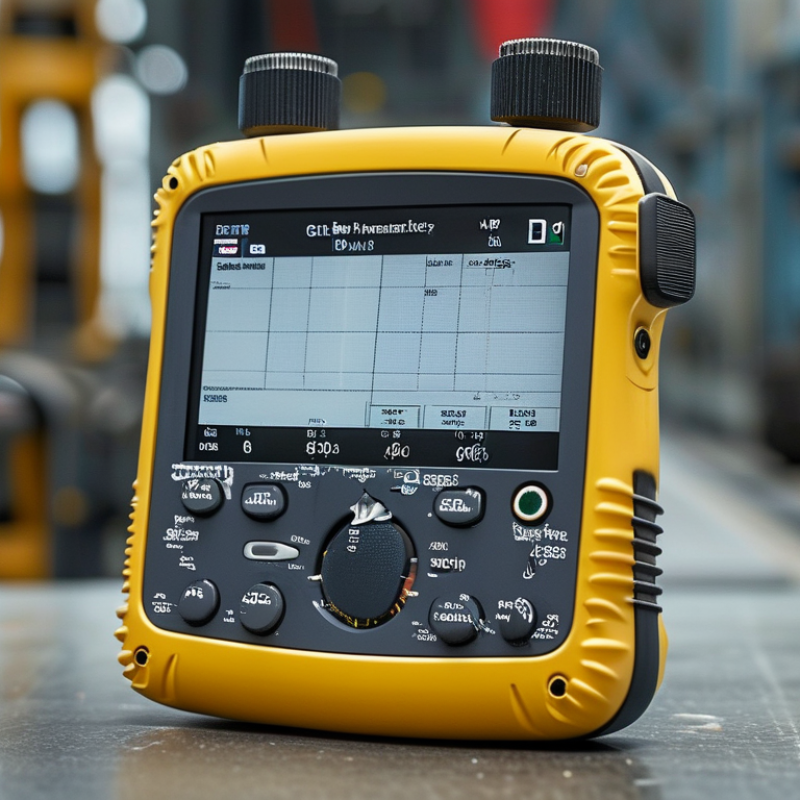
What Is a Vibration Measurement Meter?
A vibration measurement meter is a portable instrument that detects mechanical movement in equipment. It helps users identify abnormal vibration before damage becomes obvious. Typical applications include motors, pumps, fans, compressors, and gear systems.
Most meters use an accelerometer attached to the machine surface. The sensor converts movement into electrical signals for analysis. Readings commonly include acceleration, velocity, and displacement. Velocity is often useful for judging overall machine condition. Frequency readings can also reveal imbalance, looseness, misalignment, or bearing problems. The instrument does not repair equipment. It only provides evidence for a maintenance decision.
In field inspections, I place the sensor firmly near the bearing housing. A loose probe can create misleading results. Surface cleanliness matters too. Operators should measure at the same points and under similar operating loads. Regular calibration improves confidence, although calibration alone cannot prevent poor measurements. Temperature, speed changes, and background vibration may affect the result.
For global buyers in 2026, a suitable meter should offer clear units, stable sensor connections, readable displays, and practical data storage. A rugged enclosure helps in dusty workshops and busy production areas. Wireless functions can save time, but they may complicate training and data control. More features are not always better. One common mistake is trusting a single reading without checking machine history. I still review unusual results twice, because even experienced users can misplace a sensor or misread a trend.
2026 Best Vibration Measurement Meter for Global Buyers? — What Is a Vibration Measurement Meter?
A vibration measurement meter detects machine movement and converts it into acceleration, velocity, or displacement readings. This reference waveform represents a physically consistent 30 Hz vibration from a rotating component operating at 1,800 rpm, with an RMS vibration velocity of 2.5 mm/s and a peak velocity of approximately 3.54 mm/s.
How Vibration Meters Work and What They Measure
A vibration meter converts mechanical movement into readable data. Inside, an accelerometer senses changes in motion. Piezoelectric sensors suit industrial inspection, while MEMS sensors support compact instruments. The meter processes this signal into acceleration, velocity, or displacement. These values describe different vibration conditions. Acceleration reveals sharp impacts. Velocity often indicates overall machine severity. Displacement shows larger movement at lower frequencies.
Frequency also matters. A frequency spectrum can separate imbalance, misalignment, looseness, and bearing-related signals. Common units include g, mm/s, and micrometres.
RMS values represent average vibration energy, while peak readings reveal sudden events. Peak-to-peak displacement can expose excessive movement. The numbers need context.
A practical inspection may involve a motor beside a warm pump. The technician places the sensor firmly on the bearing housing and records horizontal, vertical, and axial readings. Loose mounting can create false results. A cable rubbing against metal can add noise. Temperature, surface condition, and sensor direction also affect repeatability. Calibration should be checked at suitable intervals, especially when measurements support maintenance decisions. A clean display can still mislead.
For global buyers, measurement range, frequency response, data storage, and environmental protection deserve close attention. Simple meters help with quick screening. Advanced instruments support trend analysis and fault diagnosis. However, no meter replaces mechanical knowledge. I still question unusual readings before recommending action. One repeated measurement is rarely enough.
What Features Matter to Global Buyers?
2026 Best Vibration Measurement Meter for Global Buyers?
What Features Matter to Global Buyers?
Global buyers need more than a large digital display. A useful vibration meter should measure acceleration, velocity, and displacement. It should also support common units, such as metric and imperial formats. A wide frequency range helps technicians inspect motors, pumps, fans, and gearboxes. However, a wider range is not always better. Poor sensor matching can still produce misleading readings.
Accuracy depends on more than the instrument itself. Look for a calibration certificate with traceable laboratory records. A rugged enclosure, clear buttons, and an IP-rated design support work in dusty workshops. Long battery life matters during inspections far from power outlets. Data logging, USB transfer, and optional wireless communication can reduce handwritten errors. Yet wireless functions may create setup problems in some facilities. That detail is easy to overlook.
Tips: Test the meter with your actual sensor and machinery before purchase. Check whether replacement cables and batteries are available in your region. Ask for sample reports, technical manuals, and calibration procedures. A simple interface often beats advanced software when operators work under pressure. Language support also matters, especially for multinational maintenance teams. No meter is perfect. Regular verification remains necessary, even with a reputable specification sheet.
How to Choose and Use the Best Vibration Meter?
Choosing the best vibration meter starts with the measurement task, not the display size. For rotating machinery, select a meter that records acceleration, velocity, and displacement. ISO 20816-1:2016 recommends evaluating machine vibration through defined measurement locations and operating conditions. Therefore, check sensor frequency range, mounting method, calibration status, and data storage. A magnetic mount is convenient, but a stud-mounted sensor usually provides more repeatable readings. Small details matter.
For worker exposure, use a meter that supports frequency weighting and daily exposure calculations. EU Directive 2002/44/EC identifies an action value of 2.5 m/s² A(8) and a limit value of 5 m/s² A(8) for hand-arm vibration. Compare readings under similar workloads. Record tool type, contact pressure, running time, and surface condition. Do not measure only once. NIOSH guidance also stresses exposure duration and task variation, not just peak vibration. Keep the sensor close to the bearing housing, avoid loose cables, and repeat the test after maintenance.
Calibration is often overlooked. It should not be. A practical inspection begins with a known reference signal, followed by measurements at warm operating temperature. Unexpected results deserve a second check. My own preference is a slightly simpler meter with reliable logging over a complex instrument nobody uses correctly. That judgment can be wrong when advanced diagnostics are required. Review ISO guidance, the manufacturer’s technical manual, and workplace risk records before making a final choice.